Author Archives: Dr. Rinky Kapoor

  • 0
Dark circle treatment in mumbai, india

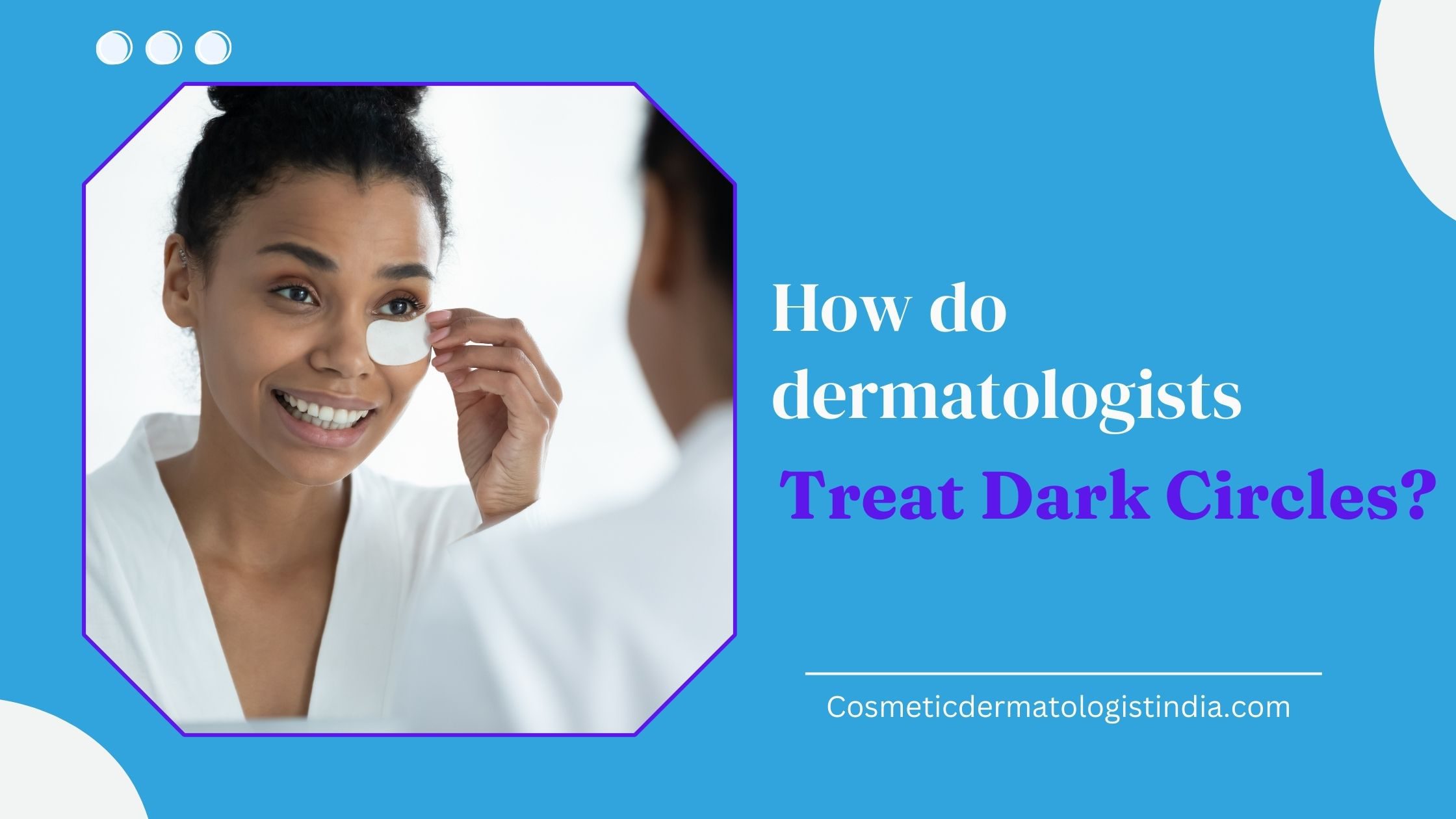
How do dermatologists treat dark circles?

Tags : 

Dark circles are very stubborn and a bane to a youthful appearance. No matter how much you try to rub them out, they won’t just go away. They say eyes are the windows of the soul but nobody wants to look into the eyes surrounded by dark circles. Periorbital dark circles are a nightmare for everyone, they not only make you look very tired and sleepy, but they also add age to your face.

Dark circles can make your face look tired and exhausted even when you are not. Nobody wants dark circles but they appear nonetheless. There are many exogenous and endogenous factors that can cause dark circles. Racoon eyes can take a toll on one’s professional and personal life by making you fatigued at all times even after you have been well rested.  And it affects your confidence as well. It’s very rare to see dark circles in children but they are very common in adult males and females.  There are many creams and lotions available in the market but they don’t do a good job. Fortunately, dermatologists have many modern proactive dark circle treatments at their disposal that can help you get rid of dark circles once and for all.

Before we delve into the best treatment options for dark circles, it is important to understand what is causing the dark circles in the first place.

What causes dark circles?

Bags under the eyes and puffy eyelids are the most common indication of under-eye dark circles. The skin around our eyes is very delicate and as we age there are many factors that can cause dark circles directly and indirectly. The reasons for dark circles include

  • Stress
  • Lack of sleep
  • Hormonal changes
  • Aging and loss of collagen
  • Disturbed routines
  • Lack of vitamin-rich diet
  • Not wearing sunscreen
  • Not wearing sunglasses
  • Allergies
  • Genetics
  • Too long screen time
  • Lack of hydration
  • Blood disorders and insulin resistance
  • Sudden change in body weight
  • low haemoglobin levels
  • volume loss and periorbital hyperpigmentation in the under-eye area
  • hyperthyroidism
  • Chronic rubbing
  • Alcohol overuse
  • Smoking
  • Hay fever
  • Sinus congestion

Periorbital hyperpigmentation is caused because of excessive melanin production and since the skin around the eyes is thin it becomes more pronounced. Aging is another direct factor causing dark circles. This happens because as the skin loses collagen it also starts to become translucent and loses volume causing the orbital bone to show up and the hollows under and next to the eyes.  The third main reason is allergic shiners i.e., darkness under the eyes because of blood pooling from allergies. If you try and treat the delicate skin under the eyes with chemicals and makeup concealers or some non-tested home remedies then you will just be doing more damage than good and can even damage the eyes. Hence it is important that you get the best treatments for dark circles to bring shine and life back to your eyes.

If you too are noticing pronounced dark circles under the eyes then it is best to consult a good dermatologist for the right dark circle treatment. The dermatologist will first recommend a physical examination and check for other diseases before recommending a dark circle removal treatment.

Types of dark circles

Under-eye circles are classified on the basis of their appearance such as

  • Pigmented dark circles which are brown in hue and are caused because of extra melanin production and uneven pigment distribution
  • Vascular dark circles cause blue, pink, or purple discoloration and puffiness under the eyes. They are a result of decreased blood flow and retention of fluid around the eyes.
  • Structural dark circles are usually shadows under the eyes caused because of skin laxity or fat loss under the skin
  • Mixed dark circles are a mix of the above three

Dark circle treatments

Dark circles are not detrimental to a person’s health but can be a reason for a poor quality of life. The treatment begins with the start of identifying the cause of dark circles then the dermatologist can help you work out the best dark circle treatment including some lifestyle changes.

Under-eye circle treatments are both invasive and non-invasive. The most popular ones include

Prescription topicals

Mild cases of dark circles can be easily treated with Retin-A and Hydroquinone.  These treatments take about four to six weeks to show their results.

Soft tissue fillers

This is a simple dark circle removal treatment that uses fillers such as hyaluronic acid. When injected under the skin the fillers fill in the hollows and stimulate natural collagen production to improve the health of the skin under the eyes. Fillers produce a natural-looking but subtle change to the under-eye circles that last for a year. Fillers are not suitable for pigmented or vascular dark circles.

Skin lightening creams

These creams are used by dermatologists to treat dark circles caused because of hyperpigmentation. Skin lightening creams for under-eye circle treatments include azelaic acid, Kojic acid, and glycolic acid. Skin-lightening products should be used as prescribed as overuse of this chemical can cause skin damage and permanent scarring. Also, ensure that you use the creams consistently for the best results.

Laser therapy

Laser treatment for a dark circle is one of the most effective and quick ways to get rid of dark circles permanently without any scarring. Laser therapy works very well for Indian skin tones. Lasers work by using heat energy to break down the damaged cells and vaporize them. The best treatment for dark circles uses two types of lasers namely non-ablative lasers and ablative lasers. Lasers can be used to treat hyperpigmented dark circles, vascular dark circles, and structural circles.

Different types of lasers are used to treat dark circles depending on their appearance. The treatment plan is based on how the skin actually absorbs it and the wavelength, pulse features, etc.  For example

  • Carbon dioxide laser is used to promote collagen production and has very few side effects.
  • Fractional CO2 lasers are more effective than traditional lasers. They cause microscopic damage to the skin cells and as the skin heals it increases the collagen production process. Fraction CO2 lasers don’t cause any damage to the surrounding nerves and thus the recovery time is minimal and fast. These types of lasers are also used for the treatment of dark circles caused because of pigmentation and vascularity.
  • Pulse dye laser use suitable for vascular dark circles as it helps shrink the blood vessels and reduce the bluish circles under the eyes.
  • Q-switched lasers are primarily used for the treatment of under-eye circles caused because of hyperpigmentation.

Chemical peels

Light to medium chemical peels is used to treat hyperpigmentation dark circles. This dermatological procedure involves applying a mild chemical agent on the skin these cause the upper layer of the skin to peel off and the new skin is more even tone, smooth and clear. The chemical peels contain combinations of salicylic acid, lactic acid, and resorcinol or carbolic acid or glycolic acid, retinoic acid or hydroquinone. Make sure you take proper precaution post chemical peel treatments and always wear sunscreen of SPF 30 +++ and above.

Dark circle removals are a very effective procedure and they work very well in getting even-toned and more youthful looking skin. However if you don’t take care of your skin then there is a chance that they might come back. Here are some simple tips that can help you keep the dark circles at bay for a long time

  • Get about 8 hours of sleep every day.
  • Keep your head elevated when sleeping. This increases blood circulation and reduces swelling under the eyes.
  • Apply a cold compress under the eyes if you notice vasculature.
  • Keep sun exposure to minimum and protect your eyes by using sunscreen, moisturizers, hats, and sunglasses to prevent dark circles.
  • Vitamin C increases collagen production under the eyes and thus reduces discolouration. Therefore, vitamin C beauty products should be a part of your skin care routine.
  • Retinoid creams help decrease melanin content and this reduces the appearance of dark circles.
  • Make sure that you take a balanced diet at all time that includes vitamins and minerals.

Cost of dark circles treatment

The cost of under-eye circle treatments varies with the type and duration of the treatment.

The cause of dark circles can be one or two reasons and therefore the selection of treatment also varies accordingly. For example, the pigment related dark circles can be treated with the use of creams, peels, mesotherapy and/or Q  switch ND YAG Laser. Similarly for structural related dark circles fillers using hyaluronic acids and collagen are  the best choice. Therefore, it is best to go to an expert dermatologist for the right and long-lasting treatment.
  • 0
remove tattoo permanently

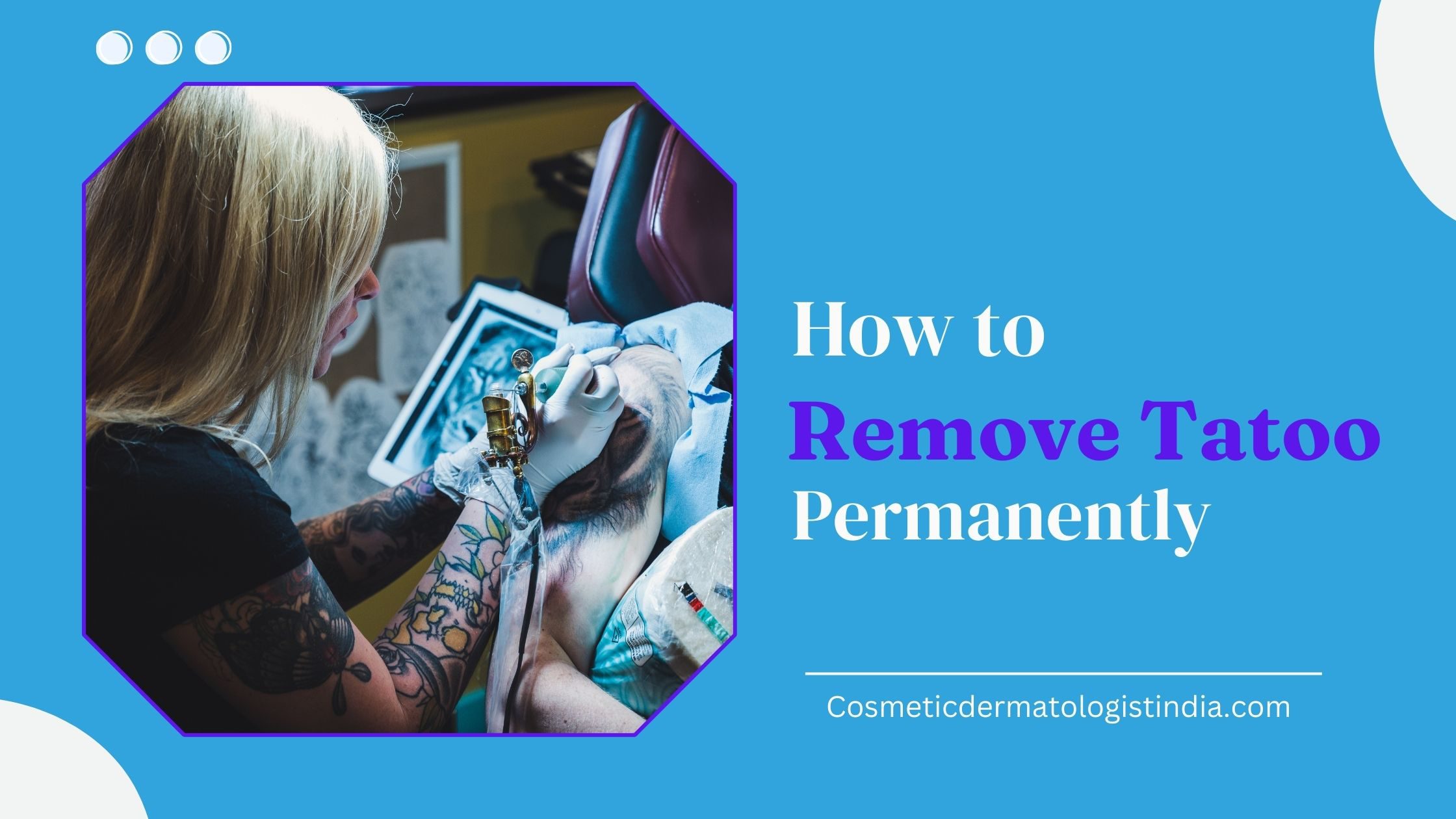
How to remove tattoo permanently?

Tags : 

In ancient times tattoos were a mark of identification or for showing allegiance to a cult or kingdom or a leader. Then over time, people started using tattoos to write addresses and everybody has seen the popular Indian tattoos that wives had with their husband’s name ‘xyzzy’s wife’. Today tattoos are a trend and represent many things such as a favourite character, animal, rock band or just a fashion statement. Many young people are getting inked under peer pressure too or for some, it was just a spur-of-the-moment decision which regrets later.

But what happens when the fantasy wears off? or the tattoo does not come out the way the person wanted? Or the colours of tattoos begin to age. Then the bad or wrong tattoo is just a depressing sight. Many people also seek permanent tattoo removal because of breakups also and in such cases usually, it is a request to remove their ex’s name because it just seems like a bad reminder that you cannot escape. Some seek tattoo removal because of ageing also.

While a good tattoo looks very stylish, a faded or wrong tattoo is a pain when it comes to removal. Tattoo removal is not an overnight job and home remedies like applying salt scrub or aloe vera don’t work as successfully as you would want them to. There has been evidence that tattoo removal was attempted even with Egyptian mummy’s using salt and garlic rub. Fortunately for us, today the technological advancements in the field of cosmetic surgery have made it possible to remove tattoos permanently in a risk-free and scar-free manner.

A qualified dermatologist should only do tattoo removal. Both invasive and non-invasive methods are available for permanent tattoo removal. Keep in mind that tattoo deposits pigment under the top layer of the skin and hence permanent tattoo removal is a more complicated and expensive task than tattoo application. Do not try to remove the tattoo on your own as it can cause skin irritation and damage the skin. Here are some effective ways used by dermatologists for tattoo removal that give good results and don’t damage the skin or your mind.

Lasers tattoo removal

Modern lasers are considered the safest and most effective tattoo removal options by top cosmetic surgeons. The powerful laser pulses heat the tattoo to break the tattoo pigments. This pain-free procedure requires several sessions but is very effective. The choice of laser is dependent on the colours in the tattoo, age and size and the skin condition. Q switched Nd:YAG laser is generally used for tattoo removal on dark skin. Other Q-switched lasers such as Ruby are used to target black and blue pigments while Alexandrite removes green, black and blue colours. Nd: YAG is suitable for targeting grey, black, dark blue, red, yellow and orange colours in the tattoos. Another type of laser that is popularly used is the Pico laser. This type of laser hits the tattoo pigments at a high speed which shatters them apart.

Laser treatments for permanent tattoo removal are administered after numbing the skin with a local anaesthetic. Multi-coloured tattoos need different wavelength treatments. Lasers are most effective when it comes to fading the tattoo to bare noticeable without damaging the top layer of the skin. Older tattoos need a lesser number of sessions but new tattoos with many colour pigments can take several weeks to remove. Each session has an interval of 6-8 weeks in between as it gives the skin time to heal.


Aftercare instructions post tattoo removal sessions

  • Apply the given ointment on the skin as instructed. This helps reduce the chances of infection
  • Make sure that the treated area is always dry and clean
  • Don’t wear tight clothing as it rubs on the skin
  • Avoid direct sunlight on the treated skin. ask your doctor about a suitable sunscreen that you can use
  • Don’t pick on the treated skin. if there are any scabs or blisters or redness then let them heal on their own. If you scratch or pick on them then it can cause irreversible scarring.

Intense pulsed light permanent tattoo removal

IPL or intense pulsed light is a broad spectrum wavelength light that breaks down the tattoo colour pigments into small parts. These are then absorbed by the bloodstream and removed from the body naturally. IPL targets the top layer of the skin. As the skin heals post-treatment it makes the tattoo less visible. This treatment also requires multiple treatments.  Hence IPL is not used on coloured skin as there is a risk of permanent discolouration of the skin.

IPL is less painful than the laser for tattoo removal but it is costlier than the laser. Intense pulsed light tattoo removal can easily target larger tattoos such as those on the back.

Surgical removal of tattoos

Using surgery to remove tattoos is an invasive procedure and can cause scarring. This is done under local anaesthesia. Surgical tattoo removal involves removing the skin containing the tattoo and then suturing the edges of the skin back. This type of technique is generally not used for large tattoos. Surgical permanent tattoo removal is the sure-shot way of getting rid of the tattoo without leaving a trace behind. This is a one-session procedure and healing time can take up to several weeks. The cosmetic surgeon will give you ointment to apply for days post-surgery to help with the healing. Make sure that keep the skin away from the sun for at least two weeks post the surgery.

Dermabrasion

Dermabrasion is also a popular skin rejuvenation treatment. For permanent tattoo removal, dermabrasion involves numbing the area and then sanding the skin down till the tattoo ink leaches out. The dermabrasion device is a high-speed rotary device with an abrasive brush on the other end. Dermabrasion is done in several sessions and the skin can be sore for a few days after the procedure. This process is less effective than laser and surgical excision tattoo removal. Tattoo removal on dark skin is not done using dermabrasion as it can cause changes in skin colour. This is also not suitable for people with sensitive skin or eczema.

Post-dermabrasion tattoo removal instruction

  • Keep the skin clean to prevent infection
  • Avoid direct sunlight for 3-6 months after the procedure
  • Make sure you apply sunscreen every time you step out
  • Avoid soaking the skin in water.

Dermabrasion can cause changes in skin colour, redness or swelling on the skin and even scarring if not done by experts. Therefore, make sure you follow the doctor’s instructions carefully.


Chemical peels

These are the chemical version of dermabrasion. For tattoo removal, Trichloroacetic acid (TCA) is the most commonly used chemical solution. This solution is applied to the tattooed skin and it gently removes the deep layers of the skin. As the skin starts to abrade the body heals by producing new skin and thus the tattoo slowly starts to fade or gets removed.  This procedure is less painful and does not damage the skin.

Risks associated with tattoo removal

Dermatologist tattoo removal is a safe procedure and is always done under supervision. Tattoo removal generally works for everyone. However, there is always a risk of infection and skin discolouration. The colours which can be easily removed from skincare are black, brown, dark blue and green. More colourful tattoos take more time and increase the tattoo removal cost.

Tattoos are also difficult to remove if you have

  • Darker skin
  • Eczema or other skin condition
  • A medical condition that affects the skin such as herpes or lupus.

Some important points to keep in mind

Tattoos are meant to be permanent i.e. that’s the way they are designed and therefore if you have made up your mind to have a tattoo removed then

  • Keep in mind that it is possible that the ghost image of the tattoo might remain or you might get a raised scar.
  • Tattoo removes will need multiple seatings
  • The success of the tattoo removal procedure depends on a lot of things such as the location of the tattoo, the colours used, your age, and the depth of the ink.
  • Be aware that tattoo removal can have some side effects such as hyperpigmentation or lightening of the area but it usually heals in 6-12 months with proper skin care.
  • When in doubt consult your dermatologist asap.
  • Discuss the tattoo removal cost with your doctor before you start the process and these treatments are not covered by insurance.

  • 0
Botox Treatment in Mumbai india

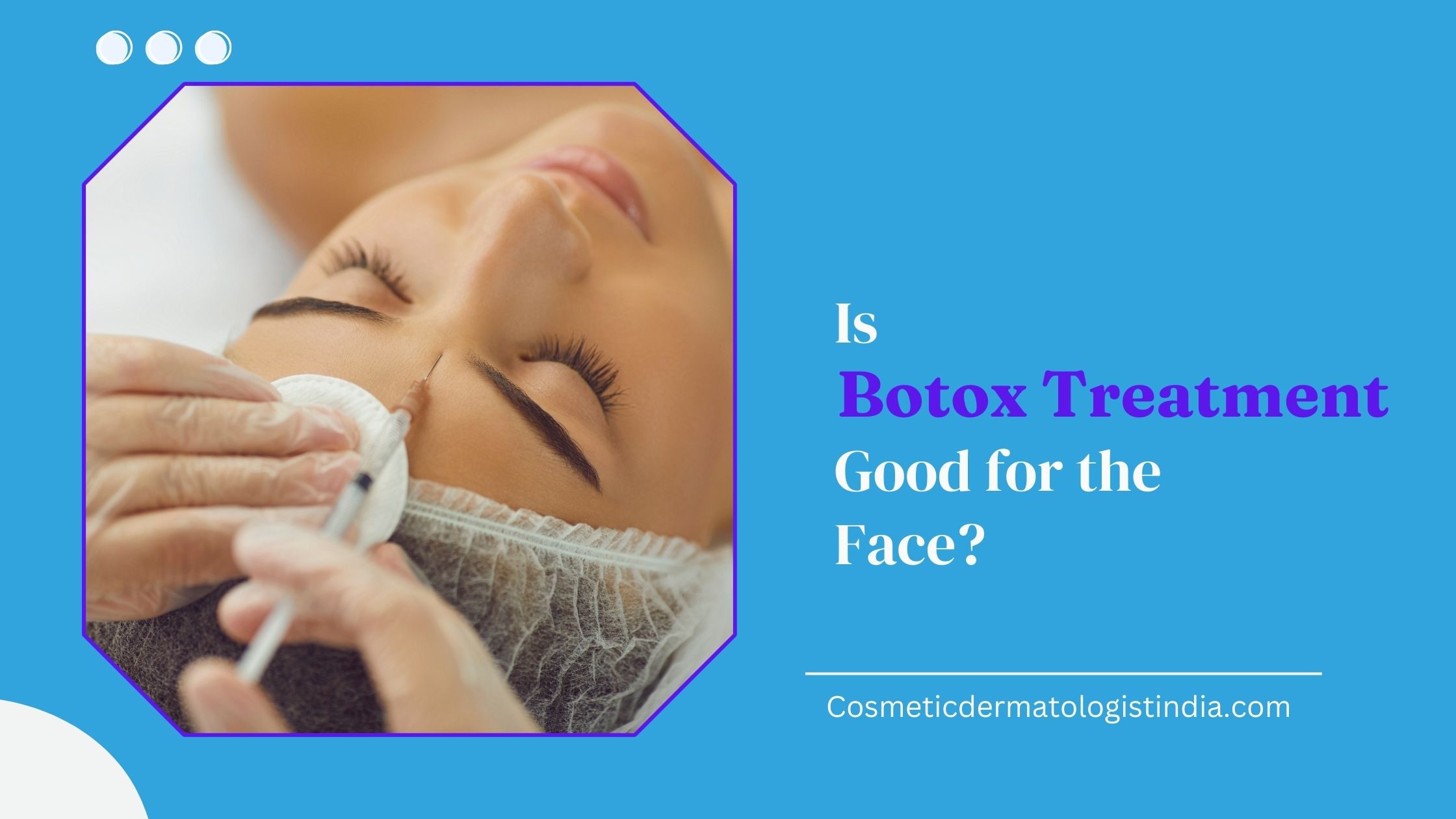
Is Botox treatment good for the face?

Tags : 

Yes. Botox treatment for the face is an excellent way to get rid of the signs of ageing provided it is done by a certified and expert dermatologist or plastic surgeon. Botox is a miracle wrinkle remover. The trade name of Botox is botulinum toxin. This is the number one wrinkle removal treatment in the world.

Wrinkles are natural and everybody has them. They are formed because of expressions. When we laugh, cry, frown etc. the muscles under the skin contract and expand and causing fine lines and wrinkles to form on the skin. When one is young our skin is firm and the signs of ageing stay at bay but as we get older our skin loses about 1% of collagen every year and there is a loss of elasticity. As a result, wrinkles and lines start to appear and make us conscious of ageing. Since we cannot do a reset of the skin, we can opt for the second best thing and that is the Botox treatment for the face.

What is botulinum toxin?

Botox is a protein derived from botulinum toxin. As the name suggests botulinum is a toxin and can be dangerous to the body if taken in high doses. It is a neurotoxic derivative of the bacterium Clostridium botulinum. Botox has both cosmetic and medicinal uses. C. botulinum bacteria is naturally present in many things around us such as soil, lake, forest and even in the intestinal tracts of mammals and fishes. In its natural form, this bacterium is harmless, but when the bacteria reproduce and their cell population grows then after a limit, they start producing Botulinum toxin.

When ingested Botulinum toxin can cause botulism. This mainly happens because of eating improperly processed food in which the spores survive and produce toxins. Even as little as 1gm of this toxin can kill more than 1 million people. However, for therapeutic uses, small amounts of Botulinum toxin are very safe to use and have few side effects. It comes under many commercial preparations namely

  • onabotulinumtoxin A (Botox)
  • abobotulinumtoxin A (Dysport)
  • incobotulinumtoxin A (Xeomin)
  • rimabotulinumtoxin B (Myobloc)
  • prabotulinumtoxin A (Jeuveau)

What is Botox used for?

Initially, Botox was mainly used for the treatment of eye disorders and movement disorders. But the miraculous discovery of the use of Botox in temporarily treating facial fine lines and wrinkles has made it the favourite of every cosmetic practitioner worldwide. An FDA-approved the treatment, Botox has been used safely for more than 50 years now and its cosmetic uses are more than 30 years old. Medially Botox is used for getting the patient  relief from

  • lazy eye
  • cervical dystonia
  • muscle contractures
  • hyperhidrosis (excessive sweating)
  • chronic migraine
  • eye twitching
  • bladder dysfunction
  • urinary incontinence

In its cosmetic uses, the most common Botox treatments include

  • minimizing crow’s feet i.e., canthal lines
  • minimizing the lines between eyebrows that look like 11 (glabella lines)
  • wrinkles
  • lines on the corner of the mouth
  • cobblestone skin on the chin
  • horizontal necklace lines
  • Hair treatments

How does Botox work?

When we form any expressions on our face our brain sends signals to the nerve to stimulate muscle contraction.  A chemical messenger called acetylcholine is used to communicate from the nerve endings to muscle endings to contract or expand. When Botox is injected into the skin it paralyses the nerves and stops the release of acetylcholine which inhibits the muscles from contracting and becoming stiff.

When the muscles are not able to contract, the skin cannot wrinkle and thus the facial lines are softened and less visible. It also slows down the formation of new lines as the facial muscles are not contracting.

Benefits of Botox

  • It is FDA approved
  • Safe
  • Comfortable and pain-free
  • Minimally invasive
  • Requires no downtime
  • It has multipurpose uses
  • Works well for lines and wrinkles
  • Can be safely used with other anti-ageing treatments such as dermal fillers for a facelift
  • Much more affordable than surgical facial rejuvenation procedures.

Results of Botox treatment

Botox is an outpatient procedure and does not require any anaesthesia. It is also popularly called the lunchtime procedure. The effects of Botox treatments last for about 3-6 months. Repeat treatments are needed to maintain the effect. Botox treatment gives instant results and will make your face look rested and younger instantly. There is a noticeable change in your appearance if you compare the before and after Botox photos. Post-Botox treatment the skin looks tight and taut and most fine lines and deep wrinkles become smooth. The skin feels visibly supple, healthier, and plump.

Botox procedure

The procedure for Botox anti-ageing treatments is very simple. The botulinum toxin is mixed with saline and injected into the neuromuscular tissue. The number of units of Botox needed depends on the area to be treated and the expected results. For example, frown lines need about 10-25 units where as treatment of neckbands can take up to 20-50 units.  Multiple areas can be treated in one session. The entire procedure takes about 30 minutes to complete. It takes about 24-72 hours for the effects to start showing and full results take about 3 days.

Post-procedure care

The patient can go home immediately after the procedure but there are some things to keep in mind

  • Do not recline for 3-6 hours post-Botox injections to avoid unwanted diffusion of the toxin
  • Do not try to massage or manipulate the treated area for 4 hours post-treatment. Otherwise, the results can vary and bruising can occur.
  • Do not exercise the treated muscles for 24 hours post-Botox treatment i.e., avoid smiling, raising your eyebrows or frowning.


Are you a candidate for Botox?

Any health adult male and female with realistic expectations is a healthy candidate for Botox anti-ageing treatments. However, Botox is not suitable for people

  • Who are pregnant or breastfeeding
  • Have a bleeding disorder
  • Who are suffering from an infection


Preparing for Botox treatment

  • Before you proceed for the treatment make sure that you provide your doctor with a full medical history. If you have had any previous Botox or skin rejuvenation procedure you should disclose it.
  • You will need to be away from supplements and medications for a few days before the treatment. If you take medicines like aspirin or painkillers then it is a high chance that you might get bruising at the injection side. Skip the pills 2 weeks in advance before the date of the procedure.
  • Ask the doctor for a natural look and this way you can avoid looking ‘bland’ or ‘too made up’.


Botox treatment cost

The cost of Botox treatment depends on various factors such as

  • The purpose i.e., cosmetic or medical
  • The surgeon
  • The location
  • Number of Botox units needed

Botox forehead cost is different from the cost of Botox for smoothening crow’s lines. The cosmetic treatment is not covered by insurance and therefore it is best to discuss the detailed Botox treatment cost with your doctor before going in for the procedure.

Risks of Botox treatment

Generally side effects of Botox are uncommon. However, depending on who is giving the injections and the person’s response to it, Botox can have some unwanted side effects including

  • Dry eyes
  • Eyelid drooping
  • Upset stomach
  • Headache
  • Pain and swelling on the injection side
  • Urinary problems

If you face any such side effect then contact your doctor immediately.


  • 0
skin lightening and skin whitening

What is the difference between skin lightening and skin whitening?

Tags : 

Skin lightening and skin whitening are the two most commonly used terms used by women and men seeking skin treatments worldwide. Full body whitening treatments are one of the top bridal dermatological treatments in India. However, skin lightening and skin whitening treatments are often used interchangeably but they are widely different from each other.

No matter what skin colour one is born with, the desire to have brighter, glowing and more even-toned skin never really goes away. Skin tone and colour play an important role in the life of men and women, especially in Asian and African countries. The whiter the skin, the better the life will be a common myth that most have had to deal with. Whether it is accepting a marriage proposal or seeking a new job, most people are often conscious about their skin colour and tone. The overwhelming presence of skin-whitening products in the market is testimony to the fact that radiance-boosting and fairness-enhancing merchandise are forever in demand by millions. However, there is a notable difference between body whitening treatments and skin lightening treatments which a person needs to understand fully before committing to a line of treatment.

Why does the need for a skin whitening treatment or skin lightening treatment arise?

Thanks to the rising consciousness about skin care, most people today are vigilant when it comes to skincare. And this is not just limited to the face and neck, hands, back, and feet the private regions also receive skin care. Nevertheless, there are some factors that can affect skin tone and brightness

  • Sun exposure
  • Medications
  • Medical conditions
  • Pollution and other environmental elements
  • Unguided chemical use on the skin
  • Stress and anxiety
  • Improper skin care (products and treatments)
  • Hormonal fluctuations
  • Dead skin cells as they hamper the process of cell turnover and blood circulation in the skin

All these make the skin dark, and pigmented, causing dark spots and bumps on the skin and resulting in uneven skin tone (hyperpigmentation).

What is hyperpigmentation?

In simple words, any darkening of the skin is called hyperpigmentation. This usually affects the areas of the skin that are more exposed to the sun and other external factors. In order to protect us from the external elements the skin starts to produce more melanin which causes the skin to become darker in shade and lose its glow. Hyperpigmentation appears in the form of freckles, blotchiness, dry skin, sunspots, brown patches etc.

What is an ideal skin?

The following characteristics define an ideal skin

  • Even tone without pigmentation caused because of sun exposure or acne or other issues.
  • The good complexion and even texture are not marred by dead skin cells
  • Lesser number of pores

In a quest for a fair, glowing, clear and flawless complexion man people gravitate towards online or shelf products that make big claims such as overnight transformations. The harsh truth is that chemical-based products only harm the skin in long run. In order to get the glow that you want and maintain skin health, an expert’s insight is what comes in handy at all times.

There is a lot of prevalent confusion about what product to use which will actually correct your skin concerns such as skin brightening, lighting or whitening. They are not the same and some studies have also shown that some unsupervised chemical approaches to skin whitening can actually do more harm to the skin than good.  Let’s first learn what is the difference between skin lightening and skin whitening is:

Skin lightening

Skin lightening is a term used to define the treatments given to diminish the effect of melanin on the skin and give it a clearer appearance. Permanent skin lightening treatments to reduce the visible effects of pigmentation such as hyperpigmentation, acne scars, melasma and discolouration. Skin lightening is done with the aim to restore the natural radiance and youthful appearance of the skin. It is a skin rejuvenation procedure that helps remove dead skin cells from the top layer thus revealing smooth, even-toned and lighter skin much closer to its natural tone.

Skin lightening treatments include the use of specially formulated creams containing ingredients like Hydroquinone, Kojic acid, Tranexamic acid and Alpha Arbutin. These reduce the activity of melanin and clear the skin.

Skin whitening

Skin whitening is actually a combination of skin brightening and skin lightening treatments. Combined together they remove the dark and dull spots from the skin, reduce the dead skin cells, and lighten the skin complexion to make it appear ‘whiter’ than the natural skin tone. Skin brightening products increase the radiance and vibrancy of the skin and give it a plump and youthful appearance. The important point to keep in mind is that skin brightening does not alter the number of pigments in the skin but it works on the skin surface by cleaning and hydrating it so that the skin appears instantly brighter.

The most common skin-brightening ingredients include Vitamin C. Alpha hydroxy acids, Retinol, Hyaluronic Acid, Niacinamide, and Beta hydroxy acids. These also help in protecting the skin from environmental damage.

The most common treatments used for skin lightening and skin whitening procedures are

  • Chemical peels: This is a simple skin-lightening treatment in which the dermatologist applies a chemical solution containing alpha hydroxy acids, glycolic acid, alpha hydroxyl acid (AHA), salicylic acid, fruit enzymes, or a low concentration of trichloroacetic acid (TCA) and strong peels like phenol peels, stronger TCA peels, and croton oil peels (natural extracts) to exfoliate the damaged upper layers of the skin. The chemical exfoliates gently peel the top and middle layers of the skin and with it they remove the dead skin cells build up, scars, and dark spots and allow the healthy tissues to appear on the surface. There are three types of chemical peels used commonly: light, medium and deep. The dermatologist will choose the right skin-lightening treatment depending on your skin type and concerns. Chemical peels also help improve blood circulation and cell turnover thus reducing the fine lines and wrinkles on the face. They also improve collagen production in the skin which helps keep the skin looking plump and rested for a long time. Chemical peel treatments are to be repeated every two to three months for maximum effects.
  • Laser treatments for skin lightening and skin whitening: lasers are the new gold standard for skin rejuvenation. Lasers are completely non-invasive, painless skin treatment devices that give the most natural-looking results in skin lightening and whitening. Laser peels gently target the melanin build-up under the skin and brakes down the pigments. The Laser can be used on the face as well as other body areas. Lasers are a long-lasting treatment for skin rejuvenation. Face whitening laser treatment uses Q-switched lasers that give almost immediate results without damaging the skin around the treatment area.
  • Skin whitening injections: Glutathione is the most popular skin whitening treatment used by skin experts worldwide. When injected into the skin, glutathione produces tyrosinase enzyme which reduces melanin production, protects the skin from UV rays and improves skin tone.
  • Skin hydration: This type of skin-lightening treatment uses a combination of mesotherapy and hyaluronic acid. Hyaluronic acid is injected into the skin using mesotherapy. It improves skin hydration, and the production of collagen and elastin. This in turn improves the body’s immunity against radicals and results in fresher and youthful-looking skin that is free of discolouration and dullness.
  • Bleaches: These are mostly over-the-counter treatments that can be easily used at home. They contain whitening products like azelaic acid, arbutin, lactic acid etc and they work only on the outer layer of the skin. The results are temporary and long-term use can cause skin irritation, premature ageing, dryness and even breakouts.

Skin lightening and skin whitening treatments are highly effective and can give long-lasting results if you follow a good skincare routine even after the procedures are over. Here are some simple skin care pointers to help you maintain your skin tone and have radiantly glowing skin forever

  • Sunscreen is a must every day. Sunscreen protects the skin from being damaged and protects it from becoming dry and tanned.
  • Include anti-pigmentation products in your daily skin routine. This help reduces dark marks and reduces the amount of melanin in the skin and prevents skin irritation to ensure good skin health.
  • Follow your skincare routine daily
  • Avoid touching your face
  • Switch to chemical and paraben-free skin care products
  • Vitamin C serums and creams are meant for the morning and retinol, glycolic acid and azelaic acid are meant for your night-time routines.

  • 0
non-surgical liposuction

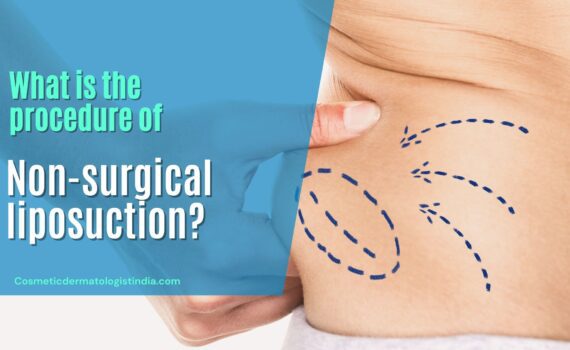
What is the procedure of non-surgical liposuction?

Tags : 

Love handles, fatty arms, and thighs, the stubborn fat on the tummy, and other fat pockets are the banes of existence for many men and women. Sometimes all the gyming, Zumba classes and diets fail to achieve the desired fat loss, especially for people suffering from obesity. Yes, obesity is a problem that has been only rising in the last few decades.

Obesity is now recognized as a serious and life-threatening condition in India. It not only affects a person’s health but also causes damage to emotional and mental well-being. Though losing fat is a physical and mental challenge and with so many confusing fad diets, supplements, and false promises bombarding social media feeds it seems even more challenging. The bright side is that more and more people are now aware of the perils of extra fat deposits in the body and are actively looking for ways to get rid of them. Sometimes the stubborn fat just sticks and refuses to budge.

Top cosmetic surgeons in India confirm the rising influx of people seeking safe, easy, and long-lasting fat loss solutions that are scarless and painless. This is where nonsurgical liposuction helps them. Nonsurgical liposuction, or nonsurgical lipolysis, or non-surgical lipo is a safe way to get rid of the extra weight or fat pockets in the body and give the body a contoured or shapely appearance.

What is liposuction?

Our body has a large percentage of fat cells that are the storehouses of energy. The fat cells release energy when the glucose levels in the body go down. Stubborn fat is the fat that is resistant to fat burning and since they are energy storehouses, they are genetically resistant to fat burning and therefore they are not in a hurry to go anywhere. Men have more fat accumulation in the stomach because of testosterone circulation and women face the issue of stubborn fat deposits in the thighs and buttock region because of oestrogen circulation.

Liposuction or lipolysis is a targeted treatment that breaks down fats in the body to glycerol and free fatty acids. These broken triglycerides are then flushed out of the body in a natural manner via the lymphatic system or can be used as fuel by the body.  Thus liposuction is a simple cosmetic surgical procedure that results in a loss of inches and an increase in self-confidence.

Traditional liposuction methods are invasive and have longer recovery times. Nonsurgical liposuction or lipolysis is a trendy alternative for those who want don’t want to go under the knife but still want to shed stubborn fat. Non-surgical fat removal uses modern and safe technologies like laser, cooling, ultrasound, and radiofrequency to destroy the fat pockets. Non-surgical fat removal is done on an outpatient basis and there is no recovery time.

Types of Non-surgical liposuction cosmetic surgeries

If you too have been exercising regularly and keeping a close watch on your diet but still not getting the contoured body that you wanted then it is time to consult your cosmetic surgeon about non-surgical fat removal options that will suit you.

Non-surgical liposuction is suitable for people

  • who are near their ideal weight but still have stubborn fatty tissues in the abdominal area and buttocks
  • wo have extra fat deposits in hip and thigh areas
  • who have recently undergone weight loss surgery and want to tighten the loose skin
  • who are not able to lose the pregnancy weight
  • who are not obese but not able to get a toned body despite exercise and weight control.

More and more people are opting for non-surgical liposuction because

  • it is faster and can be done in an outpatient procedure.
  • No need for anaesthesia
  • Non-surgical liposuction cost is lower than the surgical procedure cost
  • it gives more visible results quicker
  • there is minimal and hardly visible scarring and no blood loss
  • it is possible to get back to regular activities a week after the treatment.
  • Non-surgical fat removal does not have any downtime

Types of non-surgical liposuction procedures

There are mainly the following types of non-surgical lipolysis treatments available:

High-Intensity Focused Ultrasound Treatment ( HIFU): This type of non-surgical fat removal is also called as ultrasonic lipolysis and uses the power of ultrasound waves to target and break fat deposits under the top layer of the skin in specific regions of the body.  This process is non-invasive and the only side effect is moderate discomfort, tingling, and hot and cold sensation in the treatment area during the procedure. Results of HIFU take about 7-10 days to show up.  Ultrasonic fat removal is used to contour the areas of

  • waist
  • abdomen
  • flanks
  • inner thighs
  • knees
  • ankles

During the treatment procedure, the cosmetic surgeon applies a transducer over the skin. The transducer emits high-intensity ultrasound energy beams that warm the fatty tissues and mobilizes them to break down. these are then flushed from the body naturally. This treatment of non-surgical fat removal from the stomach targets fat cells to 1.5 cm below the top layer of the skin.

This treatment is very safe and does not damage other organs or surrounding tissues or muscles of the targeting treatment area.  The immediate results are smoother skin and the contours continue to improve over the next few months. You can see the final results in 8-12 weeks post-treatment as the skin heals and new collagen and elastin fibers form.

Fat-dissolving Injections or Injection liposuction: This treatment has been in use since the 1980s. Specific injections are used on the unwanted fat pocked and the chemicals cause the lipocytes in fat to rupture. They are then naturally broken down through the body’s metabolism. The results of contouring continue to appear over the next few weeks. Injection non-surgical liposuction is a type of mesotherapy treatment and is used to treat the fact pockets in

  • face
  • neck
  • upper arms
  • double chin
  • lower abdomen
  • thighs

Injection liposuction uses two main ingredients namely deoxycholic acid and phosphatidylcholine (PC).  The results are toned and smooth skin with no pigmentation and dark spots. this type of treatment is suggested for people who have small fat bulges and it can be combined with other liposuction treatments too. This type of non-surgical liposuction is not suitable for patients having diabetes or kidney problems.

The most visible results will be noticeable in about four weeks after the treatment. And the results continue to improve in the next four to eight weeks.  The results last for up to two years if you combine them with regular exercise and a healthy diet.

Cryolipolysis or Cool Sculpting liposuction:

This type of nonsurgical fat removal from the body is done by using the principle of freezing cold the fat cells to death! Cool Sculpting is also an outpatient procedure. The cooled fat cells are crystallized and then they burst. The entire treatment takes only about 1-2 hours to complete. Cool Sculpting can be used to remove fat pockets from

  • Inner and outer things
  • abdomen
  • flanks
  • bra fat
  • back fat
  • upper arms
  • double chin
  • buttocks
  • submental area

The freeze the fat procedure is FDA approved and has very few side effects such as pain, tenderness, and itching. In the procedure, a cupped device is placed in the treatment area. the temperature in the device ranges from 11 to +5 °C (+12.2 to +41 °F) which is low enough to freeze the fat cells.  When the cup is removed the area becomes hard and the clinician then massages the area to bring it to normal shape. Once the dead cells are flushed out of the body the fatty tissue layer in the body reduces. Cool Sculpting can give up to 25% of fat reduction.  The results take about 2-3 months to appear and last for about 1-2 years.

Laser Liposuction

Laser is one of the top preferred nonsurgical liposuction options for fat removal from the body. The laser beams target the fat cell and damage the walls of fat cells. The fatty oils leak from the damaged cell walls and then they are flushed out by the lymphatic system. Nd:YAG  laser is most commonly preferred for the nonsurgical fat removal procedure. lasers have become the gold standard for non-surgical liposuction because

  • It can precisely target the large subcutaneous tissue areas
  • It does not affect the surrounding dermal tissue
  • It has a high ability to coagulate the blood vessels.

laser liposuction can be safely used on

  • abdomen
  • thighs
  • arms
  • neck
  • face

A toned body and tight abdomen are what you can expect after nonsurgical liposuction. There is no recovery duration post-laser nonsurgical liposuction. The entire treatment takes about 4-6 sessions and the results keep appearing for months after surgery.

Kybella: This is an FDA-approved procedure for removing fat from the double chin and reducing loose skin. Kybella results in permanent fat reduction, sculpted jawline, and neckline.  There are no noticeable side effects of Kybella and the entire treatment can be done in less than half-hour sessions. The results are visible in a month of treatment.

Preparing for non-surgical liposuction

Although the treatment does not require any admission or overnight stay in the hospital, there are some basic things to keep in mind

  • Inform your cosmetic surgeon about any medications you are taking. You might also need to stop taking blood thinners as they can delay healing.
  • avoid getting any other skin or other treatments on the area that is to be treated
  • Inform your doctor about any pre-existing medical conditions.

Outcome and maintenance of nonsurgical liposuction

The results of non-invasive fat reduction are gradual.  You will keep seeing the improvements in the months to come. Your cosmetic surgeon will give you the exercises they do immediately after the treatment to metabolize the free fat. If you have unbearable pain and swelling in the treated area then inform your doctor immediately.

The key to keeping the results last for a long it is important that you exercise regularly and keep up a healthy diet lifelong.


  • 0
Best Anti-Aging Treatments

7 Best Anti-Aging Treatments

Tags : 

There is one wise decision we all have made at some point of the other and that is if we can do a reset of your skin. But it never comes true, does it? As you grow older so does your skin and with it comes wrinkles, fine lines, sagging skin, dark spots, and a myriad of aging-related issues. However, the good news is that while we cannot reset the skin, there are excellent treatments available with your dermatologist that can arrest the problem.

Anti-aging treatments go much beyond anti-aging skin creams, they also treat large pores, stretch marks and so much more. The anti-wrinkle treatments or the anti-aging facials that you see much advertised about only bring a brighter and youthful appearance to the skin but also protect it against additional damage, improve and accelerate cell turnover and stimulate collagen production.

Let us take a look at the 7 best anti-aging treatments preferred by dermatologists worldwide to help you maintain a youthful glow always.

1. Botox or Botulinum toxin

Botox is the most commonly used worldwide in the cosmetic industry.  Botulinum toxin is a type of neurotoxin that is injected under the skin. This works by blocking the nerve impulses to the tissues. The reduced muscle activity results in smooth skin tone.

Initially, Botox was used to treat different disorders like excessive sweating, spasms, lazy eye, and even overactive bladder. Botox injections are also successful in treating migraines.

Botox treatments give instant results and they last for about 6 months (till the muscles start to regenerate). This is an FDA-approved treatment and Botox is used for the treatment of

  • Reduction of fine lines between the eyebrows (glabellar lines)
  • Crow’s feet in the corner of the eyes
  • Forehead lines
  • Bunny lines i.e. the lines on the nose bridge
  • Dents in the chin
  • Brow lift
  • Gummy smile
  • Bands or necklines
  • Excessive sweating in hands and underarms area

Botox is also used as an anti-aging facial treatment to prevent wrinkles from forming. Botox treatment is an outpatient procedure and it takes about 45 minutes to complete. The results of Botox are noticeable after a few days of the treatment and full results can be seen in 10 -14 days.

Risks In Botox Treatment

Botox is a powerful poison and the treatment should only be done by a certified and experienced dermatologist or Facial Plastic Surgeon. If not injected properly, Botox can cause some side effects such as a droopy smile and droopy eyelids. If you are pregnant, lactating, or allergic to the proteins then Botox anti-wrinkle treatment is not the correct treatment for you.

2. Microdermabrasion

This is one of the popular skin exfoliation techniques that gently removes the top layer of the skin. The microdermabrasion device has a small machine that sprays fine particles on the skin. The top layer of the skin is removed and a new, smoother, and younger-looking skin grows to replace it. This anti-aging treatment also stimulates collagen production, improves collagen fiber density, recovers skin elastin distribution, and improves natural healing times. Microdermabrasion can be used on all skin types easily for

  • Renewal of overall skin tone and texture
  • Reduction of wrinkles
  • Reducing fine lines
  • Treatment of scars including acne scars
  • Treatment of acne
  • Reducing stretch marks and age spots
  • Getting rid of melasma
  • Treatment of enlarged pores and seborrheic skin

After just one session of microdermabrasion, you will notice an improved skin glow and softness and reduced sebum levels. The final results include improved skin thickness, compliance, and a decrease in skin stiffness which results in supple-looking skin. To treat specific skin problems microdermabrasion treatments are scheduled 15 days apart and you might need 6-10 sessions to reduce the specific situation.

Risks in Microdermabrasion Treatment

Microdermabrasion is a simple outpatient procedure and can be done during lunchtime. The common side effects include swelling, redness, and tenderness of the skin. The skin might look pink for a few days but this will go away as the skin heels.

3. Chemical Peels

These are just like microdermabrasion but they use acid to peel the outermost layer of the skin. The type of acid that is applied to the skin can be customized based on the type of skin condition you need.

Chemical peels are used to treat

  • Wrinkles and fine lines around the mouth and eyes
  • Sun damage
  • Acne scars
  • Hyperpigmentation
  • Scars
  • Melasma
  • Uneven skin tone
  • Redness
  • Age spots
  • Freckles
  • Dark patches because of pregnancy

Chemical peels are suitable for all skin types. People suffering from oral herpes, skin cancer, eczema or general poor body immunity should also not opt for chemical peels.

The advantage of chemical peels treatment is that they can be customized according to the depth of damage on the skin and specific skin concerns. Broadly they are classified into three categories

  • Superficial peels are used to treat fine lines, superficial wrinkles, acne, uneven skin tone, and dryness on the top layer of the skin i.e. the epidermis
  • Medium chemical peels that are suitable for wrinkles, acne scars, and uneven skin tone target the epidermis and upper part of the middle skin.
  • Deep chemical peels penetrate the lower layer of the dermis and are used for the treatment of melasma.

Risks in Chemical peels Treatment

Chemical peels can cause some numbing and burning sensation on the skin. Sometimes there is some scabbing on the skin because of chemical use. Make sure you avoid the sun till the time the skin heals completely.

4. Fractional Laser Skin Resurfacing Treatments

Lasers are the gold standard for the treatment of all skin concerns. They are completely safe to use and totally non-invasive. This type of laser treatment is very suitable for Asian skin and Indian skin types. The fractional CO2 laser skin treatments work on narrow columns of the skin so that the intensity of the laser beam is distributed evenly on the entire area to be treated. Thus, there is a chance of skin damage and more effectiveness. The laser reaches the deep layers of the skin and heats/damages the cells which in turn kicks up the body’s natural healing response, stimulates collagen and elastic production and the skin grows into a smoother and younger-looking version of its previous self. Fractional laser anti-aging treatments are used to treat

  • Post-surgical scars
  • Stretch marks
  • Keloids
  • Hypertonic scars
  • Post-trauma scars
  • Deep lines and wrinkles
  • Pigmentation
  • Sun damage
  • Loose skin

Fractional CO2 laser treatments can be safely used on the face, cheek, neck, arms, and hands. This anti-aging treatment is an outpatient procedure and does not require any hospitalization. The treatment of deep scars is needed for effective results.

Risks during Fractional Laser Skin Resurfacing Treatments

Since this laser hits the skin there is no lasting damage to the skin but little redness, pain, scarring, and scabs are normal and go away in a few days.

5. Dermal fillers

Fillers do exactly what their name suggests, they fill up the hollows in the skin. They are gel-like substances that are injected into the skin using thin needles to smooth out wrinkles and fine lines. Fillers can be safely used for anti-aging lip treatments too and they fill up the lip line and give better definition to the lips. Dermal fillers are suitable for anti-aging treatments on hands, cheeks, nose, eyes, jawline, and mouth. One major benefit of using dermal fillers is that if you don’t like the results they can be easily reversed by injecting a dissolving solution.  Dermal filler treatments can

  • Volumize lips
  • Treat wrinkles and sagging skin of décolletage
  • Add volume and lift to the buttocks and give them a natural contour.
  • Trigger new collagen growth and improve the appearance of cellulite
  • Give tighter and smoother skin
  • Improve stretch marks
  • Treat the creepy skin on the upper arm
  • Treat wrinkles and lines on knees and thigs
  • Eliminate Marionette Lines & Nasolabial Folds
  • Be used for non-surgical rhinoplasty or liquid rhinoplasty
  • Eliminate depressed scars
  • Fill in forehead lines
  • Plump up the cheeks
  • Reshape the chin
  • Reduce the aging effects on the jawline
  • Eliminate wrinkles
  • Correct the smoker lines
  • Reduce under-eye circles
  • Add definitions to the eyebrows and lift sagging brows
  • Revive the earlobes
  • Smooth the back of the hands

The results of dermal fillers are visible right away. Depending on the type of filler the results can last up to two years. The most commonly used fillers include Hyaluronic acid.  Dermal fillers anti-aging treatment is an outpatient procedure and there is no downtime involved.

Risks during Dermal Fillers Treatments

Redness, pain, bruising, and swelling are common side effects of dermal filler injections but they are very temporary and go away in one or two weeks.

6. Non-ablative Skin Rejuvenation

These anti-aging treatments use non-ablative lasers and other energy treatments that help treat the first signs of aging such as wrinkles, age spots, and loss of skin tone. Non-ablative skin care treatments don’t target the upper layer of the skin but they target the middle and deep layers of the skin.  This stimulation encourages collagen production and minimizes spots and facials lines.

Non-ablative skin rejuvenations have short recovery times and the results last for a very long time. Apart from removing the apparent signs of aging, these skin rejuvenation treatments also tighten the skin and make it look young, firm, and healthy. Though the results take up to a few months and multiple sessions to show their effect.

Risks During Non-ablative skin rejuvenations Treatment

Pain, swelling, and bruising on the site of treatment might occur but they are just temporary side effects and your practitioner will give you guidelines on how to treat them.

7. Ultherapy

The latest in anti-aging treatments, Ultherapy is a non-surgical skin rejuvenation procedure that uses the strength of Ultrasound energy to treat the deep layers of the skin. Ultherapy is a very precise treatment and it heats the skin layers to improve the production of new collagen and elastic that slowly reverse the signs of aging. Ultherapy is successful in

  • Treating the sagging skin of jowls
  • Correct the turkey neck and drooping eyelids and brows
  • Minimizing lines and wrinkles
  • Reducing the signs of aging on the face, neck, and décolletage
  • Reduce the double chin


Risk during Ultherapy Treatment

Ultherapy has no downtime and the results take about 3 months to show and last for a year.  There are no risks involved in Ultherapy anti-aging treatments but some barely noticeable redness on the skin might occur.

Aging is a normal and natural process. Expertly administered anti-aging treatments can greatly reduce the signs of aging and give you a vibrant and refreshed appearance. On examining your skin and discussing the skin concerns, dermatologists can use one or a combination of treatments for the best results. Keep in mind that the anti-aging treatments are not permanent and you still need to take the best care of your skin to prevent the signs of aging from appearing again.


  • 0
Reverse the Effects of Skin Damage with Microdermabrasion Treatment in Mumbai

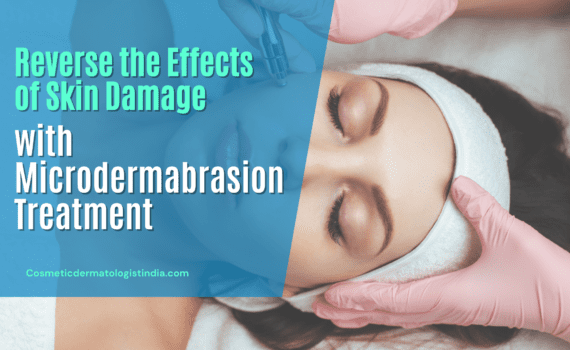
Reverse the Effects of Skin Damage with Microdermabrasion Treatment in Mumbai

With so many skin treatment products and procedures to choose from, you might be wondering—is the microdermabrasion treatment in Mumbai really effective in reversing skin damage? Should you choose it instead of other available options in the market? If you are interested in this procedure, it’s wise to take time to learn more about microdermabrasion treatment in Mumbai so that you can make an informed decision about your health.

What is microdermabrasion?

This skin treatment is a non-invasive procedure that helps rejuvenate the skin. It uses tiny crystals to exfoliate the topmost layer. Dead skin and other impurities are essentially suctioned off to reveal brighter and clearer skin. Unlike other skin treatments, microdermabrasion does not involve any chemicals and is generally not painful. It does not result in scars either.

Who should try this treatment?

According to dermatologists, this treatment is for all skin types and colours and types. Patients with uneven pigmentation, fine lines, and clogged pores will benefit the most.

How effective is microdermabrasion?

This treatment can be the answer to your acne problems regardless of how severe or what causes them. Microdermabrasion is also used to treat various types of skin damage on the face, like blackheads. It can unclog and minimise pores as well as improve cell function. By increasing the blood flow circulation, your cells will be more nourished. This also leads to the production of more collagen and elastin.

Are there any risks in this treatment?

Microdermabrasion is generally safe. It is even safer than the treatments and procedures for curing acne like chemical peels. Other than redness of skin and sun sensitivity, you’ll experience no side effects after the procedure. Recovery time is as short as two days.

Where should you get it?

Many derma clinics offer microdermabrasion treatment in Mumbai because of its popularity. Nevertheless, you still be careful in assessing them. Choose a clinic with a well-known and recommended dermatologist who has a proven track record of success.


  • 0
Best Dermatologist in Mumbai For Psoriasis

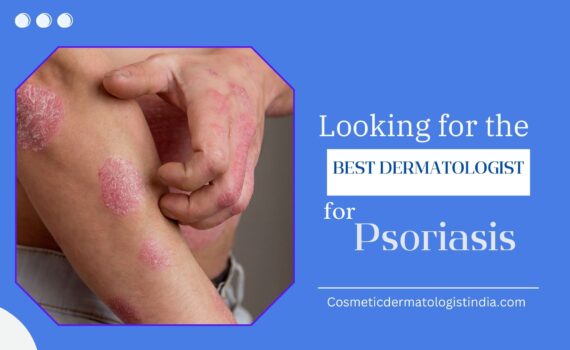
Looking for the Best Dermatologist in Mumbai For Psoriasis

Tags : 

Best Dermatologist in Mumbai For PsoriasisIf you are to entrust the health of your skin to a specialist, then you want to make sure that you are choosing the right person. The best dermatologist in Mumbai for psoriasis would know what treatments or therapies will best alleviate your specific symptoms. Take note that dermatologists are not all the same; they vary in terms of areas of practice, specialities, and experience. Thus, it is wise to do some research prior to setting an appointment with a dermatologist. Here are some tips:

  • Check the doctor’s qualifications.

As a minimum requirement, the dermatologist must be board-certified. But aside from this, you should also look for membership, registration, training, achievement and other credentials. Find out what hospitals the dermatologists are practising, too.

  • Ask about his or her areas of specialisations.

Dermatologists differ in their areas of specialisations or interests. Some are focused on cosmetic surgery and treatments while others are experts in non-surgical treatments. The best dermatologist in Mumbai for psoriasis has expertise in non-invasive skin treatments for skin problems like psoriasis, hair loss, acne, scars, warts, and moles.

  • Read up about your dermatologist’s experience.

If a dermatologist is the best one in his or her field, then he or she must be highly recommended by patients and even experts. Top dermatologists have awards and recognition from prestigious bodies in and out of the country, like the International Society of Dermatology Fellowship. There should also be a proven record of success like patient testimonies as evidence that the dermatologist is indeed qualified and reputable.

After doing initial research, it is time to set an appointment with the doctor. Aside from getting proper diagnosis and treatment, another purpose of visiting your chosen dermatologist for psoriasis is to get to know him or her better.  During the consultation, consider how your doctor asks questions and explain the procedures to you. Is it clear? Is she or he patient and understanding towards you? That way, you’ll know if it is worth visiting your dermatologist next time or you should look for another one.


  • 0
Simple Tips to Find the Best Dermatologist in Mumbai for Pigmentation

Simple Tips to Find the Best Dermatologist in Mumbai for Pigmentation

Best Dermatologist in Mumbai for PigmentationThe color is consistent, versatile and tenuous sort of pigment in the impalpable nature. The claimable truth is that the pigmentation affects the personality of Homo sapiens large and most evaluated members of class mammilla referred to as humans. Pigmentation is defined as the indigenous skin color of organisms. Dermatology is the branch of medical science that deals with the study of skin and its various facts. An expert of the dermatology branch is referred as a dermatologist who knows the medical and surgical effects of surface, parchment layer of the body i.e. Derma commonly called skin and hairs. As pigmentation treatment is part of dermatology and the very sensitive issue of skin coloration so it’s must that you should choose the best dermatologist around you. There are some simple and culminate tips to find the best dermatologist in Mumbai for pigmentation.

  • Stellar Credentials: Any personnel who share the medical background for him having a medical degree is mandatory? Of course, the answer is yes, as you cannot as well you should not trust on the oral saying of a person to whom the patient is going to hand over the responsibility of most important thing i.e. their body. Checking the degree of a doctor in the associated field is primarily the most vital issue of which the care should be taken off.
  • Experience: With the dermatologist, you are going to start a treatment is that he should be experienced in his stream and had been working for the previous few years in the same field.
  • Manual skills: The manual skills of a professional should be of higher accuracy, so that he can be performing the best he can give.
  • Trained staff: The staff of a person who harmonizes the professional background should be trained, caring and punctual and have consolidation mind.
  • Communication skills: The dermatologist shall have impressive and effective communication skills in order to gain patient’s faith.

In essence to have a better care of your skin pigmentation one should choose the best availability of dermatologist around them. Above affirmations may seem to be propitious and salubrious for completing the common requirement to find the best dermatologist in Mumbai. Follow these above-mentioned tips and you will get the way to the finest approach to getting the best results in the field you are searching for. Remember a good dermatologist can be helpful in various tasks of medical science as in skin treatments, acne controlling, laser removal of hairs, etc.  Good luck with the constructive as well as productive pigmentation surgery.


  • 0
The Do’s and Don’ts of Laser Skin Whitening Treatment in Mumbai

The Do’s and Don’ts of Laser Skin Whitening Treatment in Mumbai

Tags : 

From eternity, Indians are interested to look elegant when our forerunner would try to make use of most of the natural and easily available products (i.e. Turmeric, sandalwood, milk, Etc.) for enhancing innate beauty. Contemporaneously, people are so assiduous they don’t have time for trying these home-made remedies. Well, the technology has provided fabulous and remarkable quick-fix for the fairness of skin i.e. Laser Skin whitening. It is a technical and permanent approach for the fixative issue in which concentrated beam of light is being pointed on the damaged skin to oust dead cells and enhance the growth of new cells. Laser whitening treatment in Mumbai is a marvelous solution to this humdrum solution. It’s a technical method that needs the proper aggravation. The listed below are some do’s and don’ts that should be considered important for holding the benefits of this technique.

Do’s

  • Smear a cool pack to the operated site for first two or three days of the treatment.
  • Saline solution should directly be applied to the site.
  • Use only descriptive skin care products by expert surgeons.
  • Use of only physical products like sensitive sunscreen Etc. should be put to use.
  • The extra pillow is required to elevate your head while sleeping.
  • Avoid drugs as the healing process is complicated by various drug actions.
  • Try to cover your face when facing direct sunlight.
  • Lubricating creams should be applied to treat scarabs.
  • Use Benzyl peroxide for a number of weeks.
  • Apply fillers or injections before two weeks of getting this treatment.
  • Proper cleaning should be done carefully.
  • Consistent visiting the doctor must be a habit.

Don’ts

  • There should be no picking of the skin as it can affect the operation.
  • Don’t use chemicals as it can negatively affect the site.
  • Avoid hot baths as it causes trauma.
  • Don’t exercise vigorously.
  • Massages should be prohibited.
  • Avoid contact of the treated site with foreign agents.
  • Facial and bleach now cannot be the part of your life.

Mumbai is the best place for the Laser Skin whitening treatment as there is the availability of expert surgeons and a variety of machines that are more efficient. It is an effective and positive technique one should not worry to have it for the vibrant white skin. It is supremacies event for the personality development and great successive achievements.


About Dr. Rinky Kapoor

Dr. Rinky Kapoor- Best Dermatologists in Mumbai, India

Dr. Rinky Kapoor, Co-founder of The Esthetic Clinics, is one of the best dermatologists in the world & currently practices in Mumbai, India. Dr. Rinky Kapoor is a Consultant Cosmetic Dermatologist, Cosmetologist & Trichologist at S L Raheja Fortis Hospital, Mumbai, India. Dr. Kapoor is trained at the National Skin Centre, Singapore & at Stanford University, USA. A celebrity skin doctor, Dr. Rinky Kapoor has won many honors such as “Best Dermatologist in Mumbai”, “Most Valuable & Admired Cosmetic Dermatologist in India” & “Best Dermatologist in India”, etc for her expert dermatology care, affordable & reliable skin care, hair care & nail care Read more

Expertise In

• Skin diseases
• Sexually transmitted diseases
• Hair disorders
• Nail disorders
• Cosmetic skin treatments
• Skin surgeries
• Laser skin treatments

Find Us on Facebook

Get In Touch
close slider