Author Archives: Dr. Rinky Kapoor

  • 0
What can I do to prevent the spread of vitiligo?

What can I do to prevent the spread of vitiligo?

Tags : 

Vitiligo, or losing skin color, is a disease with many stigmas attached. Millions of people around the world suffer from some form of vitiligo that causes significant disruptions in their everyday life. People suffering from this condition often feel underconfident and tend to withdraw from social life because of a feeling of not being ‘normal .’The fact is that with modern treatments and some simple home care, vitiligo can be easily managed.

What is vitiligo?

This condition causes white or light patches of skin to develop. There are generally no other symptoms except the physical one. This autoimmune condition is often linked to other autoimmune disorders such as rheumatoid arthritis, diabetes, psoriasis, autoimmune thyroid disease, etc. The immune system attacks the body’s normal cells and destroys the melanocytes (melanin-producing cells). The areas where the skin cells are destroyed start to lose color and slowly turn white or pale with no definite shape or boundary. Vitiligo is often also observed on the areas of skin that have had minor injuries or sunburn. Studies have also shown that emotional stress or chemical exposure can trigger skin depigmentation.

There is no known cure for vitiligo, but it can be easily managed to restore pigment to depigmented skin. In addition, treatment management can help make vitiligo less visible and even prevent the patches from growing. Prevention and cure are done by protecting the immune system and skin.

The choice of vitiligo treatment in Mumbai depends on many factors such as the

  • The area of patches
  • The amount of skin and location of patches
  • How quickly the depigmentation is progressing
  • How does it affect the patient’s quality of life

However, the vital thing to remember is that treatment for depigmentation or leukoderma is very unpredictable. The results vary greatly depending on the person, and some side effects can occur. Vitiligo treatment is a constant procedure, and you must keep a close watch on the spreading patches on the skin.

How to prevent vitiligo from worsening or spreading?

Since it cannot be wholly cured or prevented, modern science has given us ways sand solutions to prevent it from worsening. This method’s two-pronged approach involves boosting your immune system from the inside and protecting the skin from the outside. This procedure can also reinstate the healthy melanocytes to prevent the patches from spreading.

Treatment options for vitiligo

Medications

These medications are used with light therapy to restore some color to the skin. The common drugs include

  • Corticosteroid creams control inflammation and return the skin color. However, it can be several months before you see any results, and side effects include skin thinning, dryness, and the appearance of new lines on the skin. Corticosteroids can also be used as pills and injections for people with rapidly spreading depigmentation.
  • Medications for the immune system commonly include tacrolimus (Protopic) or pimecrolimus (Elidel) creams. They are generally used in areas with small amounts of depigmentation.

Therapies

Light therapy is the most common form of treatment used to curtail active vitiligo progress. It is generally used with medications such as corticosteroids or calcineurin inhibitors. Photochemotherapy can also be used alongside psoralen. This is called PUVA therapy. But the use of ultraviolet B light is more popular.

Light therapy is done in sessions 2-3 times per week and continues for several weeks. The type of light used is either ultraviolet B or excimer laser therapy. The results are not permanent, and most people see fading patches appear throughout one to four years post-treatment. The side effects of treatment include redness, itching, and burning on the skin, but they clear up a few works after treatment.

Depigmentation

This process involves removing the color from the rest of the unaffected skin; this way, the entire appearance is of one color. This therapy is recommended for people with a wide spread of vitiligo; the rest of the treatments have not worked. In this treatment, a depigmenting agent is applied to the pigmented areas of the skin. Regular use removes or lightens color from the skin and gives, and it blends with the vitiligo-affected area. Depigmentation cream needs to be applied at least twice daily and the results take a slow time of up to one to four years to make a difference. The side effects include dry skin, itching, swelling, and temporary redness of the skin. Depigmentation treatment creams need to be applied for a lifetime as discontinued use can cause the skin to develop pigment.

Surgery

Surgery for vitiligo treatment and management is suggested when light therapy and medications have failed to provide relief from vitiligo. This type of leucoderma treatment in Mumbai is done on patients suffering from a stable form of this condition. The surgical options for vitiligo treatment include

  • Skin grafting: In this leucoderma treatment in Mumbai, the surgeon removes small sections of healthy skin and uses them to cover small patches of vitiligo. This is an effective treatment for 90 to 95% of the cases. However, the side effects include infection, spotty color, graft failure, scarring, and the cobblestone appearance of the skin.
  • Blister grafting: This treatment involves covering the pigmented skin with created blisters. The surgeon then transplants the tops of these blisters on the discolored skin. The possible side effects include failure of pigmentation, damage to the pigmented skin, or scarring.
  • Cellular suspension transplant: Small skin grafts are taken from the donor area and then treated separately to remove the cells. The cell suspension is then placed on the discolored skin patches. This process can be successfully used for large and stable areas of vitiligo and gives better color and texture match for vitiligo patches than other treatments. Nevertheless, scarring, infection, and uneven skin tone are still risky.

Tips to prevent vitiligo from worsening

Vitiligo is unpredictable; focusing on the triggers and behaviors that increase the problem and identifying them can help you feel better. Here are some dermatologists recommend simple tips for vitiligo patients to prevent it from getting worse

  • Protect your skin from the sun at all times: The melanin in our skin is responsible for its color and protection from damage from harmful sun rays. With the loss of pigment in the skin, the skin is vulnerable to injury from sun rays such as sunburns. In turn, sunburns can also make vitiligo worse. Another advantage of good sun protection is that lighter skin tones make the vitiligo patches less noticeable. Therefore, protect your skin by
    • Seeking shade: Try to always be in the shade, especially when the sun’s damaging rays are the strongest. A simple way to know this is to observe your shadow. The shorter the shadow, the more damaging the sun’s rays are.
    • Wear sun-protective clothing: wearing the right and weather-appropriate clothes will give you adequate protection from the sun.
    • Use sunscreen indoors and outdoors during the day: Come hail or shine. Of course, it would be best to go anywhere with sunscreen protection. if you have vitiligo, use the dermatologist’s recommend sunscreen of SPF 50 or more sunscreen. Apply liberally on the face, neck, and all the exposed areas of the skin. apply sunscreen at least 15 minutes before going out and reapply every 2-3 hours. If you are involved in activities that cause sweating or contact with water, use water-resistant sunscreen and reapply more often.
  • Avoid tanning beds, sun beds, and saunas at all times. They can burn the skin with lost pigment and increase the discolored patches.
  • Use safe camouflage makeup, skin dye, or a self-tanner to add color to the skin, but do a patch test first. Use a waterproof product, and remember that natural-looking results take practice.
  • Avoid getting tattoos: Tattoos create minor wounds on the skin and can cause new vitiligo spots on the skin.
  • Reduce stress by including healthy exercises such as deep breathing, meditation, and practice. This will help support your immune system and boost your mental health.
  • Include a healthy diet in your daily routine: Since vitiligo is an autoimmune disorder, eating a nutrient-rich diet is helpful to give the immune system a health boost. Oxidative dress is another thing that damages the cells and slows down tissue regeneration. Hence a diet rich in antioxidants, phytochemicals, beta-carotene, omega-3 fatty acids, and vitamin D can help prevent the worsening of vitiligo. Food items to include are fruits such as berries, green leafy vegetables, nuts, chocolate, herbs spices, carrots, broccoli, tomatoes, sweet potatoes, seeds, oily fish, and fortified dairy products. At the same time, you should also avoid foods that are high in fat or cause inflammation. Limit the intake of cheese, fried foods, processed food, white bread, alcohol, sugary sweets, and pasta.
  • Avoid skin wounds and burns: Stay away from chemical exposure and use products suitable for sensitive skin as much as possible. In addition, stay away from sources of injury or irritation.
  • Please don’t listen to myths: Learn as much as possible about vitiligo and what is causing it to spread. If you know the right things, you can play an active role in the care and have more control over vitiligo.

Self-care will help you feel better, and working with your dermatologist will make it easier to lessen the effects of the patches on your life.
  • 0
Does fat regenerate after liposuction?

Does fat regenerate after liposuction?

Tags : 

Sometimes no matter how much exercise we do or eat the proper diet, some stubborn fat pockets remain in the body that refuses to budge away. And this is why liposuction or lipolysis is one of the world’s most commonly performed cosmetic treatments. It is not a weight loss but a body sculpting procedure that gives instant results.

Laser lipolysis treatment or laser liposuction in India involves suctioning the diet and exercise-resistant fat cells from problem areas such as the abdomen, back, thighs, hips, and other areas. As a result, there has been a meteoric rise in patients seeking expert assistance from plastic surgeons to sculpt the body and augment weight loss efforts.

Why are the fat cells?

We are all born with several fat cells. They do a variety of functions, such as storing energy in the body to make it available during low glucose levels. They are also called adipocytes. They also cushion and insulate the body. As we gain weight, the fat cell grows large. When a person reaches adulthood, the number of fat cells remains the same, more or less. The more weight we put on, the more out of shape and size we become, and sometimes exercise also does not help. When we lose weight, ideally, the cells should shrink too, but not all of them lose cells at the same rate, and hence it becomes difficult to get the toned look you always wanted.

What does lipolysis do?

Lipolysis treatment targets the stubborn fat pockets in the body. Laser liposuction in India uses targeted laser energy to break down the fact into enzymes and water or hydrolysis. The broken-down fat cells are naturally flushed out of the body through the lymphatic system or reused as fuel. It is an entirely non-invasive surgery and is suitable for people who

  • Are not obese but want to lose the last extra pounds that are not going away
  • Have a large number of fatty tissue deposits in the abdominal area
  • Are bothered by enlarged fat cells in the hip, thigh, and buttock regions
  • I have recently lost a lot of weight but am bothered by losing skin
  • Are not able to lose the pregnancy weight despite exercise
  • Are committed to maintaining a healthy weight in the future.

Laser lipolysis is the most commonly performed procedure as it is faster and can be done as an outpatient procedure. It gives quick and visible results without the risk of scarring, infection, or rashes. The results are noticeable immediately and continue to improve for a long time, but it is not an alternative to traditional weight loss. Even the fittest individuals opt for laser lipolysis to remove unwanted and isolated fat pockets and create an ideal silhouette.

Does the fat regenerate after liposuction?

The most obvious question to every patient’s mind when going in for liposuction is, ‘will the fat return after my treatment? And do I have to go for the lipolysis treatment again in the same area?’

The answer to this is simple. Our body does not grow new fat cells. Once the fat cells have been removed from the body, they do not regenerate or duplicate in the treated area. Hence, the results of liposuction treatment are permanent. Liposuction removes fat from the target area, and the area remains fat-free. However, some factors can impact the appearance of your body. When you gain weight or take a fat-rich diet, the remaining fat cells can produce more lipid fatty acids that change their appearance. Our body needs the fat cells as part of its natural process, and it keeps converting excess sugar into fat and storing it in other untreated portions of the body. This way body prepares itself in the event of starvation. From the outside, the body has gained fats in the treated area. This also happens because the initial weight gain is redistributed in the body. As a result, you might notice new fat deposit areas. For example, if you have had fat removed from your thighs, the recent weight gain can appear on your abdomen.

Another factor that might make you feel that you are gaining weight or fat deposits in the treatment areas is that liposuction does not remove all the fat from the area. Instead, a thin layer is left behind to give the skin a smooth and normal-looking contour. If you gain a significant amount of weight, these remaining fat cells can also increase in size, but this fat accumulation will be less than before because of fever-active fat cells. This is why you must keep your weight under check to maintain the treatment results.

Here are some simple ways to maintain the results of liposuction and reap the benefits of a healthy lifestyle:

  • Your post-operative instructions are sacrosanct: Follow the instructions in the letter to get the best results post-treatment. It is only possible to get a remedy if the results last.
  • Eat a healthy diet and follow a diet routine: Starving, crash dieting, and switching between diet plans are not excellent ways to keep your weight idea. Instead, focus on eating a balanced diet that contains proteins, healthy carbohydrates, fibers, and minerals. Take your meals on time and try not to snack on fatty foods like biscuits etc., in between. Snack on healthy nuts and limit the portions to small sizes.
  • Make sure to eat the meals: try eating small meals all day and don’t skip meals, thinking you can catch up later or it will help you lose weight. Our body needs energy all through the day, and eating small healthy meals during the day keeps the energy levels balanced.
  • Maintain hydration and include lots of it: When you drink enough water all day, it helps flush out toxins and other harmful substances from the body. Drinking adequate water also keeps you full and has zero calories. When you crave an alcoholic beverage or a sugary drink, reach for a bottle of water instead. Keep sipping water all through the day.
  • Exercise regularly and, if possible, daily: Exercise is necessary to maintain a healthy body weight and lifestyle. However, exercise should not feel like a burden. Build a workout routine that is fun too! You can choose from various activities such as dancing, kickboxing, Zumba, or yoga. Find one that works the best for you and incorporate it into your weekly exercise regimen.

Laser Lipolysis Cost in India

Lasers are the gold standard for most skin woes. Laser lipolysis is one of the most effective treatments to reduce fat pockets and give the skin a contoured look you have always desired. Laser lipolysis cost in India depends on many factors, such as the client’s needs, the type of liposuction, the areas covered, the location of the clinic, etc. Some clinics offer different lipolysis treatment plans to suit the patients’ best interests. Therefore, the overall laser liposuction cost in India differs from patient to patient and is usually not covered by insurance.


  • 0
Birthmarks Treatment

Birthmarks: Everything You Need to Know

Tags : 

‘It’s just a birthmark; ignore it!’ This statement you would have heard many times about the various marks on the body. Birthmarks come in different shapes and sizes, textures and placements, and are unique to each other. If you are a new parent, you might not be sure what to do with these birthmarks, or if you have a noticeable one on your body, it can be uncomfortable or embarrassing. Most people try to cover birthmarks with makeup or clothes.

The truth is that birthday marks are very common, and almost everybody has one of them, and some even have many. They are generally harmless; many fade away or are barely noticeable as the child grows up and do not need any treatments. But if the birthmarks are in large numbers or growing in size or clusters, then it is time to contact a dermatologist for a check-up and treatment.

What causes birthmarks?

Birthmarks are varied marks or discolorations on the body. They can be raised or flat, have regular or irregular corners and borders, and have different shapes and shades of colors, such as black, pink, blue, red, purple, tan, black, or brown. Researchers and doctors need to find out what causes these marks to appear on the body. There is still no guideline about if we can prevent them by doing something or not doing something during pregnancy. They cannot be attributed to genetics, as every child has a different birthmark. There are many different kinds of birthmarks, and there is no prediction about which birthmark will appear and where.

Different types of birthmarks

There are two kinds of birthmarks, namely pigmented and vascular birthmarks, which are qualified into further different types.

Pigmented birthmarks

They are colored birthmarks, and the pigment determines the color of the skin. They are caused when people have more pigment in one part of the skin. Pigmented birthmarks are of the following types.

  • Moles: These are the most common types of birthmarks. They are also called congenital nevi as they are present at birth and last a lifetime. Another name for the moles is a hairy nevus. Babies of all races can develop a mole birthmark, but they are usually small moles. Large moles are rare. Moles are small and round spots, and they can be any color, such as black, brown, tan, or pink. Birthmark moles differ from those that happen during adulthood because of sun exposure. They are called hair nevus and have hair growing out of them. Moles going larger need to be checked out.

When to worry about them?

Mole birthmark is a cause of concern when they are found in large numbers at birth as it indicates excess pigment cells in the central nervous system. If not treated, these can cause pressure and seizures in the brain.

  • Sebaceous nevi: These grow in the scalp and are caused because of the overgrowth of sebaceous glands. They are tan or range in color and are oval or comma-shaped. They do not fade over time, and there is no hair on the skin where these are present.

When to worry about them?

They are hardly likely to become cancerous, but regular check-ups are necessary. If the doctors notice changes in the birthmark, they might recommend surgical removal. This is usually common in adolescents because of the changing hormones. It also increases the chances of skin cancer developing.

  • Café-au-lait spots: As glamorous as the name sounds, they are just named so after their coffee-colored appearance. On people with light skin, these look like milky coffee, and on dark-skinned people, they appear as dark coffee color. They are present at birth but often lighten as the years pass but don’t go away. They can also appear after the birth of the child.

When to worry about them?

If the child has more than six Café-au-lait spots or they are larger than a dime-sized coin, then it can be a cause of neurofibromatosis, and the dermatologist might ask for extra testing.

  • Congenital dermal melanocytosis: This type of pigmented birthmark is grey or blue in color and is present on the backs and buttocks of infants. They are usually more prevalent in darker skin color, i.e., children of Asian, American Indian, African, and Southern European descent. They are also commonly called Mongolian spots, and they fade away as the child grows. Although they look like bruises, they are harmless and need specific attention. They are most common in Asian children and are not found in other races.
  • Venous vascular malformation: They are red or purple in color and are formed because of enlarged or dilated veins under the skin. They can be seen on the skin during birth or late childhood and grow slowly. They don’t fade over time but don’t cause any need for worry.

Vascular birthmarks

These birthmarks are formed because of the clumping of blood vessels, which can be seen under the skin. They are usually red-colored and can be raised or flat. Some of them are small, and some can grow to cover large areas of skin. Vascular birthmarks can be present during the birth or develop a few weeks after the baby is born. They are of the following types.

  • Salmon patches or flat stains or macular stains are salmon pink patches that appear under the skin. They are small, flat, pinkish red, and can appear in any part of the body. The skin with the birthmark is not thickened, and you can not feel the birthmark. The most common places these appear are the face, neck, back, and shoulders. Salmon patches on the back of the neck are known as stroke bites or Naevus flammeus, and they are permanent. When they appear in the center of the face, they are known as angel’s kisses. These fade away by 12 months of age.
  • Hemangiomas: There are two types: superficial when they are on the skin’s surface and are also known as strawberry marks and deep Hemangiomas are deep in the layers of the skin and look blue in color because of the blood vessels under the skin. Both types of Hemangiomas appear to grow quickly when the child is born and disappear on their own in a few years (when the child reaches the age of 5-10 years). In addition, there is one more kind called compound Hemangiomas that affects both layers of the skin. They are usually found on the head or neck.

When to worry about them?

When they are large or leave behind an abnormal skin texture or rippled skin, red-pigmented skin, sometimes they can cause a problem because of their raised surface and interfere with feeding, breathing, cause problems in breathing or other body functions. When strawberry Hemangiomas are present at a body opening or body fold, they can open sores and cause blood or pus. Another indication that needs treatment is when the birthmarks grow in a beard pattern around the child’s mouth, chin or one side of the face. Children with such pattern hemangioma birthmarks on the skin also risk having them on organs or other places inside the body, making treatment a necessity.

  • Port wine stains or Capillary malformation: These are large vascular birthmarks and look like a spill of red wine on the skin. They generally appear on the face, neck, arms, and legs. Initially flat pink or red, they can darken as time passes and become an unsightly deep red or purple. The skin under them can become thicker and hard, which becomes uncomfortable. They don’t go away on their own, and most people can manage to live with them.

When to worry about them?

Port wine stains can develop around the eyes and cause problems. In such cases, the doctor might recommend tests like MRI to ensure they don’t cause further issues such as Sturge-Weber syndrome, which can cause a high risk of glaucoma, seizures, etc.

Treatment for birthmarks?

The doctor will check the child for birthmarks when he or she is born and advise treatment if necessary. If the birthmark feels hard, has pain, causes discomfort on the skin, bleeds, feels warm to touch, itches, or looks infected, then it is time to visit the dermatologist immediately. Changes in the birthmarks’ number, size, texture, and color should also be observed carefully. Generally, pigmented birthmarks don’t need treatment, and vascular birthmarks often need treatment.

Birthmarks can be disfiguring for children and cause them to feel less about themselves. But most birthmarks can be treated easily with various treatment options. These include

  • Oral medications such as

Propranolol for treatment of haemangioma. This can reduce the size and discolor the birthmark. This is also effective if it is located in the airway or near the eyes or mouth or is causing disruption in breathing or for just cosmetic reasons.

  • Topical treatments such as

Timolol to apply on the birthmark. They are also mainly used to shrink and fade the hemangioma.

  • Laser surgery or treatment: This is the most successful treatment for different types of birthmarks. Lasers reduce capillary malformations, strawberry hemangioma, brown birthmarks, café au lait spots, and blue-colored birthmarks (dermal melanocytosis). Vascular and pulsed dye lasers are most commonly used to remove the birthmark without damaging the skin. Laser is a fast and undamaging skin treatment and takes about 15 minutes to 1 hour to complete. They are usually done four weeks apart and in multiple sessions.
  • Surgery for birthmarks is done when the other treatment options are not helpful, and the birthmark is causing severe impairment in normal bodily functions. Surgery is also used to remove congenital nevi birthmarks.

Birthmark removal cost

The cost of birthmark removal varies with many factors, such as the shape and size of the birthmark, the type of birthmark, and the location of the birthmark. Depending on all this, the surgeon will decide the kind of treatment needed to remove birthmarks. Birthmark removal cost also depends on the dermatologist’s expertise and the location of the clinic.

While most birthmarks do not require any surgical or medical intervention, most children and even adults can easily go through their life without being bothered. This is because birthmarks are unique, and there is no need to be embarrassed by them. However, if the child is self-conscious about the size or location of the birthmark, then it is better to take advice from a reputable dermatologist for the proper treatment.


  • 0
Chemical Peel Treatment

After getting a chemical peel, what should I do?

Tags : 

If you love your skin, you must have heard about chemical peels. They are the most effective skin care treatment to get your skin back into shape and restore youthfulness. One simple chemical peel treatment can fix fine lines, breakouts, scarring, hyperpigmentation, and many other skin problems.

Chemical peels are one of the most in-demand skin rejuvenation treatments today. They work by removing the skin’s surface, middle, or deep layer and revealing the bright and smoother-looking layer. You may not be used to some basic side effects, but the skin will feel wonderful post-recovery period.

What does a chemical peel do?

Chemical peels are of three types, superficial, mild, and deep. Depending on the type of peels used, the treatment is done under mild sedation. First, the skin is cleansed and dried, and protective gear is placed on the eyes, hair, nose, and mouth. The peel is a specially formulated chemical mix that is then applied on the skin and let sit for a few minutes. Some stinging or discomfort is normal, but there is no excessive discomfort. Then the specialist will remove the peels and apply a neutralizing agent to the treated area. The process is over in less than an hour, and no hospital stay is needed.

The key to having great results from any skin rejuvenation treatment is the post-treatment care that you undertake. Peels are a highly effective skin treatment, and the healing process helps your skin bounce back to life and reap the maximum benefits of the treatment. Healing time after chemical peel treatment in India depends on the type of peel used. Here are some more facts about healing post-chemical peel treatment in India

  • The complete peeling can take anywhere from 7-10 days, depending on your skin type, age, weather, hormones, and lifestyle.
  • Each treatment varies. Other areas of the body react differently to chemical peel treatment. This is because the skin of the face has a different thickness and texture than that of the back, arms, legs, or chest.
  • Redness, dryness, itching, irritation, peeling, and scabbing are normal side effects of the treatment. Peeling usually starts about the third to the fourth day of the treatment and generally around the nose and mouth area.
  • It is normal to experience some lack of peeling, but that does not mean that the treatment did not work. Instead, it means there is microscopic peeling, and you will still see the benefits of reduced lines, unclogged pores, stimulated collagen production, diminished signs of aging, and visible change in skin tone and texture.


Here are some expert tips for post-chemical peel treatment care for the best visible results that your skin will love

Dos In the few days after the treatment

  • Your skin care specialist knows the best, and it is imperative that you only choose a qualified professional for this type of acid-based treatment. Following your specialist’s advice is the best thing you can do for your skin. They are the only ones who can give you tailored advice on what is to be done to ensure the effectiveness of the chemical peel. They are also your go-to person for advice on which cleanser or moisturizer will help your skin on the road to healing.
  • Wash your skin with cool or room temperature water: when cleansing your skin, use cool or room temperature water. Hot water or very cold water can feel harsh on the skin and even aggravate the side effects. Cool water will soothe the skin and reduce post-peel sensations.
  • Use suitable skin care products: Switch to skin care products that are gentle on the skin and suitable for sensitive skin. Soap-free cleansers are the first thing to opt for. They are safe for sensitive skin and don’t try the skin. Post-chemical peel, your skin is already tight and dry, and you don’t need the harshness of soap adding to this dryness after a peel. Gentle soap-free cleansers ensure your skin is clean and well hydrated, and the natural oils are preserved.
  • Keep the skin moisturized and hydrated: Chemical peels strip the skin of its protective barrier, albeit temporarily. Therefore, it needs to be reinforced with a thick moisturizer. These heavy-duty ointments will soothe the skin and also help hydrate it. Apply it several times a day without applying pressure on the skin or whenever your skin feels tight or dry. For added hydration, you can also use a hydrating mist. Remember to drink enough water during the day to make sure the skin is hydrated from the inside out. You will be able to get back to your normal skincare routine after a week of the chemical peel treatment.
  • Sunscreen is an absolute must always: The skin is very delicate after a chemical peel treatment, and the sun is its worst enemy. Even small amounts of sun exposure can do damage to it. Therefore, the important golden rule is to apply broad-spectrum sunscreen when you are outdoors or indoors. Sunscreen will protect your skin from inflammation. Your sunscreen should have the protection of a minimum of 40 SPF+++ and more. Apply sunscreen for half an hour before stepping out and reapply every 2-3 hours.
  • Let your skin be: Each skin has its different healing time, and there is no point rushing into other treatments or trying other products. Chemical peel aftercare is all about good healing. Please sit back, relax, and let the treatment work its magic on your skin.

Don’ts post chemical peel treatment in Mumbai.

While you take good care of your skin, there are some things that you must never do to the skin.

  • Do not pick, pull, scratch, or touch the treated skin. Any kind of pressure on the skin can cause bleeding, infections, breakouts, scarring, etc. Peels expose the skin to chemical treatments and cause it to peel, and if you try to touch or remove the skin, it will only delay healthy skin and even cause scarring. Never touch your skin with dirty hands, as it can cause breakouts.
  • Keep your hair away from the face: Pull your hair back and tie it with a hair band. This will let the skin breathe and keep the breakouts at bay. If you get any breakouts, don’t try to self-treat but go to your skin specialist for the right treatment.
  • Keep the retinol treatments away, as using them will only push the skin into cell turnover overload and only delay the healing process. Stop using retinol products a week before your peel, and wait to use them till your aesthetician okays it.
  • Don’t exfoliate: it is tempting to exfoliate the skin to remove the peeling but resist it at all costs. Your skin is already exfoliated by the chemical peels, and it does not need any more of it.
  • Limit the use of skin care products: till the time the peel heals, switch to a minimal skincare regime. A gentle cleanser, moisturizer, and sunscreen are enough.
  • Only opt for other cosmetic treatments once the time the skin heals completely. It can be about two weeks after the treatment. This also includes avoiding waxing, treating, epilation, Botox, fillers, laser treatments, tweezing, or IPL treatments.
  • Don’t expose your skin to heat treatments, and this includes avoiding tanning beds and hot tubs and working in the sun. Heat can cause infections on the treated skin.
  • Avoid exercising or strenuous activities: Sweating and exertion will increase blood circulation and aggravate the side effects of the chemical peels.
  • Only go booking hair color treatments after a week of the treatment, or till the time the skin has finished peeling. Give it a three-week gap between the peel treatment and a hair color appointment.

Immediately after chemical peel treatment in India

  • Avoid swimming 24 hours after the treatment
  • Stay away from jacuzzies, saunas, and steam baths
  • Avoid makeup for 24 hours post-chemical peel treatment

Chemical peels are a simple and excellent way to take years off your skin and promote collagen and elastin production in the skin. Good aftercare ensures that the treatment stays effective for a long time.


  • 0
CO2 laser treatment

How long does it take to heal after CO2 laser treatment?

Tags : 

CO2 laser skin rejuvenation treatments are the gold standard for treating most of your skin woes. From improving skin tone to lightening scars and reducing fine lines and wrinkles to improving skin texture, CO2 laser treatment can do it all without causing any damage to the skin. It can also treat warts, moles, and other stubborn skin-based issues such as age spots and blemishes. As opposed to the standard ablative treatments, co2 fractional laser cost in india have lower and customizable downtime, fewer risks, and give dramatic results.

This modern skin rejuvenation treatment focuses on the problem areas of the skin and delivers high levels of energy in very short pulses. This removes the layers of the skin but does not heat or cause head damage to the surrounding areas of the skin. The effects can be seen almost immediately.

What can CO2 laser treatment do?

It can treat many skin issues, such as

  • Acne, chickenpox, or trauma scars
  • Uneven skin pigmentation
  • Birthmarks and tattoos
  • Sun damage or photoaging
  • Age spots or liver spots
  • Non-responsive skin after a facelift
  • Fine lines and wrinkles on face and neck
  • Enlarged oil glands on the nose
  • Lose and dull skin

The laser stimulates collagen and elastin production under the skin and tightens the skin over time. You can see the effects and improvement even after the treatment is long over. However, if you have active acne, dark skin, deep wrinkles, or excessively sagging skin, CO2 laser treatment might not work well for you.

Healing after CO2 laser treatments

Lasers have very low downtime, but you still need to give the skin some time to heal and return to its younger and fresher self. Redness, swelling, etc., are some common side effects of laser treatment. This is because of the dynamic nature of the treatment. The results also vary from person to person, so the question of when you can see the results is much easier to ask than to answer.

The healing time depends on the severity of the issue, the profile of the patient, and how well they follow the strictness of aftercare routines. Remember, rushed results equate to wrong results. Your skin will take time to heal, and you must let it at its own pace. Here are some simple guidelines to help you aid skin healing.

Once the treatment is over, the practitioner will give you an ice pack to put on the treated area for 15 minutes. This will bring down the light-burning sensation and reduce the swelling. Then you will be given a list of instructions to follow and what to expect during the healing process. Remember to take the cream, bandage, and petroleum jelly for the treated area before you leave the clinic. Here is a simplified list of what to expect during the healing process for CO2 laser treatment in India

  • You can take a light shower once you get home but avoid soaks and baths until the healing season is complete.
  • Use the cold compress regularly over the first 24 to 48 hours for 15 minutes every 1-2 hours.
  • Apply a thin layer of a good occlusive moisturizer or antibiotic ointment twice a day to protect the skin while it heals.
  • If you have any facial treatment appointments or make-up schedules, then cancel them till four weeks post-completion of the treatment.
  • Don’t smoke. Smoking only delays and damages the healing process and adds to the signs of aging.
  • Sleep on an extra pillow so that the head is in an elevated position and swelling reduces.

Day 1-2 post CO2 laser treatment, you will experience some burning sensation, and there might be some swelling too. Stinging and itching are also this is normal, and they will go down in 24-48 hours. Keep using the ice pad every few hours and rest at home. This is the time when the old collagen and elastin fibers break down, and the skin clears the tissue debris.

Day 2-4 after the procedure: You will not need to use the ice pack so much now. The swelling will go down, and the skin will start to heal and might feel a bit tight. There can be some crust formation on the treated year, and sometimes a yellow serum-like fluid might ooze out. This is normal and shows that fresh skin has started to form under it, and everything is on time. Resisting the urge to pick and scratch the skin at it can delay the healing and even cause scarring and infection.

Day 4-10: These are the most important days of your recovery. The swelling and inflammation will be down, and you need to be sick to the advice of your practitioner and use the recommended products. Your will heal sooner by doing this, and you will be able to get back to your usual skincare routines. For the healing period, your routine should include

  • Washing your face with the recommended cleanser and letting your skin air dry.
  • Apply the cream to your skin and keep topping up when the skin feels dry and tight. Do this minimum of twice a day.
  • Wash your wash again before going to bed and moisturize. Don’t rub the moisturizer on the skin; apply it lightly.
  • If possible, use distilled water for the face and avoid using groundwater.
  • If the practitioner has asked to keep the treated area covered by a bandage, then change the dressing regularly after washing the area.


The skin will feel itchy, but at the end of 10 days, the skin will have healed, and the crusting will be minimal. You will be able to see the new pink skin, which will come to its normal color in the following weeks.

Week 2-3 after CO2 laser procedure on skin: The healing of outer skin starts, deeper healing starts, collagen formation begins, and tissues heal—about 14 days post-procedure, skin strengthening starts, which continues for years. Let natural health continue. Avoid using saunas, swimming pools, and hot tubs; don’t shave on the treated area. You still need to avoid make-up and the sun. And if you have to go out, wear sunscreen of SPF 50 or above and use a hat to protect the skin.

Anytime during the initial healing times, if you feel any of the following, call your practitioner immediately.

  • High fever
  • Unnatural discharge from the treated area
  • Pain and discomfort have increased and are not helped by pain medication.
  • Increased redness or swelling on or around the treated area
  • Bleeding on the treated area


You will continue to see improvements in your skin. Keep being gentle on the skin. The skin texture and appearance will see a visibly dramatic change after three months of the treatment. It might take up to a year to see the full effects. The sagging skin will not be visible, and the lines and wrinkles will have reduced evidently. You will be able to get back to your routine. Exercise regularly and eat skin-friendly foods such as green leafy vegetables, bright fruits, nuts, seeds, omega three rich foods, and water. A  good routine will make sure that the enhancements of CO2 laser skin resurfacing last for a long time and give your skin the natural smoothness and glow that you always desire.

CO2 laser treatment cost in Mumbai

The cost of CO2 laser treatment in Mumbai is influenced by several factors, such as the location of the clinic, the experience of the doctor, and the extent of the treatment required. It also depends on your skin type and the number of sessions required. It’s important to note that most patients require multiple sessions to achieve optimal results. The number of sessions required can vary depending on the severity of the skin condition being treated.

Before undergoing CO2 laser treatment, you must schedule a consultation with a qualified, experienced and  famous dermatologist in india
or plastic surgeon. During the consultation, the doctor can evaluate your skin condition, discuss the treatment options available, and provide an accurate estimate of the cost of the procedure. They can also advise you on any potential treatment risks or side effects.


  • 0
5 Advantages of Mesotherapy to reduce hair fall

5 Advantages of Mesotherapy to reduce hair fall

Tags : 

Everybody loves their hair, and living a life without hair is a difficult concept to accept for many. However, hair loss or alopecia can harm your self-image and severely impact your self-confidence as you age. Mesotherapy is one advanced technology that helps stem hair fall using a minimally invasive management method. Mesotherapy is one of the most popular hair growth treatments today.

One of the leading causes of hair fall or hair thinning is that your hair is not getting enough nutrients, proteins, and minerals. In short, the hair needs the right food to grow at a standard rate. This can trigger hair fall along with other factors such as stress, hormones, hereditary (pattern loss), etc. Mesoplasty or Mesotherapy is a technique developed to deliver the ‘food’ for hair directly into the scalp. The proper nutrients can stimulate hair growth and boost hair health. Mesotherapy is a non-surgical and pain-free procedure and uses tiny injections to deliver hair food to the scalp.

How is Mesotherapy done?

It is an outpatient procedure and does not take more than 30 minutes to 1 hour to complete. There is no overnight stay required. Mesotherapy is done in multiple sessions spaced one to two weeks for 6 to 8 months. The procedure is simple, and the practitioner will apply a light numbing cream on the treatment area and inject the treatment using Mesotherapy needly. The injections are usually placed 1-4 mm apart and deliver a dime size drop of solution every time. Mesotherapy involves a thin needle injection gun that acts on the epidermis, dermal connective tissue, circulation, and the immune and neurosensory systems of the scalp. It improves blood circulation in the scalp, which means more nutrients are delivered to the scalp accelerating hair growth and creating voluminous, more robust, longer, and shiner-looking hair. Another device used to provide products in the scalp is the meso-roller. This handheld device has many needles attached to a rolling drum. Hence instead of one needle, many needles go into the skin. As a result, the practitioner can cover large areas in a short time. However, a Meso-roller is slightly more painful than a single injection gun.

Types of Mesotherapy for hair

Chemical Mesotherapy delivers nutrients to the scalp and the follicles directly. This method also stimulates collagen production in the scalp, reducing scalp aging signs and preventing hair fall.

Mechanical Mesotherapy makes micro-perforations in the scalp causing slight injuries. During the healing process, the skin forms new and healthy tissues in the scalp, which in turn help with hair growth and health.

What does the mesotherapy injection contain?

Depending on your hair concern, and the type and strength of your hair, the dermatologist will work with you to recommend a combination of chemicals and other ingredients to benefit your scalp and hair follicles. The aim is to slow down the shrinking of follicles and stimulate them into new hair production. Mesotherapy ingredients can contain vitamins, minerals such as minerals (Calcium, Iodine, Manganese, Copper, Zinc, Selenium, Iron, and Potassium), enzymes, homeopathic agents, amino acids, hormone therapies, pharmaceuticals, bioactive substances, and natural plant extracts. The most commonly used products for Mesotherapy for hair treatments include biotin, dexenol, dutasteride, Minoxidil,  Finasteride, Vitamin A, E, and K, PRP, and Nano peptides.

Why should you go in for Mesotherapy?

This revolutionary procedure has many benefits for hair and the scalp and is virtually painless. But hair growth is not the only benefit of this procedure. Mesotherapy also

  • Encourages hair follicles to move from the resting phase to the growth phase: One of the prime causes of hair fall is androgenetic alopecia caused by excess dihydrotestosterone in the scalp. Dihydrotestosterone or DHT blocks the regular hair cycles and leads to premature balding in men and women. Mesotherapy nutrients neutralize the excess DHT, allowing hair follicles to resume a normal growth cycle and produce healthy hair.
  • Can be customized to treat root deficiency in the scalp: A good hair specialist will be able to identify the primary cause of hair fall and hair thinning and use a mesotherapy cocktail to treat the same. This will involve running tests before mesoplasty to determine the cause of hair loss and then customizing the treatment accordingly.
  • Can treat and reduce dandruff: Mesotherapy does scalp rejuvenation and is a cosmetic procedure that can be used to treat skin issues too. When done on the scalp, it creases minor wounds on the mesoderm layer of the skin, stimulating collagen and elastin production and increasing blood flow, producing healthy hair follicles. All this is done without damaging any existing protein in your scalp, resulting in a highly hydrated scalp free from irritating and embarrassing dandruff.
  • Adds volume, strength, and luster to the hair: Mesotherapy slows hair loss, and in this process, the rejuvenating properties of the nutrients reduce scalp inflammation. As a result, the new and existing hair gained by the vitamins and minerals grows thicker, shiner, and less prone to breakage.
  • It is a painless procedure with fast and effective recovery: Mesotherapy treatment for hair is simple and does not cause any lasting pain during recovery. The results of Mesotherapy can be seen in 4-6 sessions, and there are hardly any side effects apart from minor soreness in the scalp after each session.

Mesotherapy treatment gives results that no shampoo, mask, home treatment, or remedy can provide you. There is no need to apply balms, serums, or shampoos daily or several times a day. Since it does not interact with any other system, there is no harm to other body parts, such as the digestive system.

Mesotherapy can be safely used on men and women who are experiencing alopecia. To maximize the results of Mesotherapy, you should maintain a healthy routine of a good diet, regular exercise, and safe hair products. Intake of junk food causes toxins in the body, hampering the hair cycle and growth. Other things to keep in mind post-mesotherapy treatment include

  • Avoiding sun exposure directly to the scalp. Be very careful about this, especially after the treatment. Sun exposure can cause allergic reactions and damage the scalp.
  • Wait to wash your hair the same day after the procedure.
  • Avoid applying hair color before or during the treatment.

Side effects of Mesotherapy

Mesotherapy’s most common side effects are tenderness, swelling, and scalp irritation, which goes away within 2-3 days of the treatment. Rarely you might feel some headache and pain, and in that case, follow the advice given by your doctor.

Who is not a suitable candidate for Mesotherapy

Avoid Mesotherapy if

  • You have allergies to the substance used in Mesotherapy
  • You have diabetes, or heart, liver, and kidney issues
  • You are pregnant or lactating
  • You have infections or injuries on the scalp
  • You are affected by skin diseases or burns on the treatment area
  • You are on anticoagulants.
  • You have hemophilia

Mesotherapy will improve the quality and quantity of your hair and directly impact your life, with increased self-confidence in your appearance.


  • 0
Moles Treatment

What Leads to the Sudden Appearance of Moles

Tags : 

Moles and warts are a common occurrence. Most people have them on their bodies (between 10-40) and they are considered very normal. Moles are also seen as the mark of beauty, and poets and lyricists have written about them. Celebrities such as Kareena Kapoor, Rekha, Marilyn Monroe, Cindy Crawford, and many more boast their moles as a mark of beauty and are recognized for them. Generally pigmented with black, moles can be pink or reddish brown. However, when the moles are more in numbers, appear in clusters, or are overgrowing, they can cause concern.

How are moles and warts formed?

The scientific name for moles is nevi (singular nevus). They are formed by the concentration of pigment-producing cells called melanocytes in the skin. Our skin has many pigment-producing cells that usually spread evenly on the skin and lend the skin its color. But if these pigments gather in one place, they form a mole. Usually, you will notice that most moles appear in the first 30 years of life, but they appear at later stages. Generally, more are nothing no worry about, and they are harmless marks on the body.

It is also normal for moles to change color and size as we age. People can have moles on any part of the body, such as the scalp, hands, feet, soles, palms, chest, back, fingers, and toes. There are different kinds of moles, and they are categorized based on their appearance, namely.

  • Congenital moles: These are a type of birthmark and are present from the time of birth. They can be of any size, shape, and color and can be removed for cosmetic reasons. However, if they are bigger in size than 20cms then it is a risk that they will become malignant as the child grows. Also, if there are clusters of these moles around a more prominent mole, the risk of it being cancerous is high.
  • Acquired moles or nevi: They are also called common moles. They usually start to appear during childhood or early adulthood. They can appear anywhere and are more visible on fair skin. They can be round or oval in shape, flat or raised, and are usually unchanging with smooth and distinct edges. In some cases, common moles can be hairy. If they are under 40 in number, then they are not a cause of work but anything more than 50 can be a slight risk but are rarely cancerous.
  • Atypical moles: These are also known as dysplastic nevi and they can appear anywhere on the body except the face. They are usually irregular in shape and more significant in size. You can see them on the abdomen, back, neck, head, or scalp. Their appearance resembles melanoma (a type of skin cancer). Atypical moles usually have an uneven color tone with a dark-colored center. Since they look like melanoma, they should be checked regularly. Also, if these moles run in your family, they have a higher risk of skin cancer.

Warts are caused because of skin infections from the human papillomavirus (HPV), and they spread on contact, but they do not cause cancer.

What causes moles to appear suddenly?

Generally, moles are harmless, and most people go through life without doing anything about them. But if you notice more moles growing on your body, it is worth it to get it checked by a dermatologist. The reason is that new moles are more likely to become cancerous than old moles. Another red flag for problem moles is bleeding, oozing, or hurting. If you notice anything like this, immediately book an appointment with your dermatologist.

New moles might appear on your body because of over-exposure to UV rays, and the same harmful UV rays can cause the existing mole to change and even become cancerous. The harmful sunrays can damage your skin in many ways. Therefore, you must always protect your skin from the sun; otherwise, it increases the risk of melanoma. Melanoma is the worst form of skin cancer and is caused when the pigment-producing cells turn malignant and cause cancer by spreading. About 70.9% of melanomas are known to be caused because of new moles. Hence, dermatologists should check any mole that looks different from the ordinary.

A good dermatologist can detect the difference between a normal mole and melanoma and recommend suitable moles and wart removal treatment. Moles might also be caused because of

  • Tanning or tanning bed use
  • Genetics
  • Family history of moles, especially the atypical nevi
  • Increasing age
  • Hormonal changes
  • Fair skin and light or red hair
  • Body’s normal response to Immunosuppressant drugs
  • Use of antibiotics, hormones, or antidepressants
  • Genetic changes
  • Sunburns
  • Organ transplants

Wearing perfumes and eating certain kinds of food does not cause the formation or growth of moles.

When to seek mole and wart removal treatment?

Both moles and warts can be easily removed. Daily it is not possible to notice changes in the moles. However, you should check your skin every month for any suspicious growth. There is a simple ABCDE guideline for checking suspicious moles.

It stands for asymmetrical shape. Therefore, if the mole is not symmetrical, it must be checked and treated.

B is for border irregularity:  A regular mole has a smooth and defined shape, whereas a problem mole will have an irregular or scalloped border.

C is for color changes: If a mole changes color as it grows or has a varying shade of colors, it is not normal.

D is for the mole’s diameter: Any growing mole with a diameter of more than ¼ inch or 6mm must be treated for cancerous tendencies.

E stands for evolving: A qualified dermatologist should investigate a mole that has changed in size, shape, and color.

Early detection of moles can save you from skin cancer. Removing and treating moles before cancer spreads is easier and more effective. When detected early, melanoma can be treated successfully with low chances of relapse.

How to check for problem moles

Here is a simple checklist of things to do to check for symptoms of skin cancer in the moles

  • Check your body in a full-length mirror at least once a week. Examine your body from all sides, including the back and armpits and back and buttocks.
  • Check underarms, forearms, elbows, between your fingers, and front and back of the palms.
  • Check your legs, feet soles, and between your toes.
  • Check the back of your neck and even the scalp.

Note down any changes that you notice. For example, most melanomas start from the trunk area, i.e., the chest and back in men and on the legs in women.

Mole and wart removal treatments

Moles and wart removal treatments are simple outpatient procedures. The most common options for removing moles and warts include

  • Skin excision by cutting the area of the mole: This procedure is done under local anesthesia.
  • Skin resurfacing: This procedure is done using dermabrasion which gently removes the mole from the outer layers of the skin.
  • Cryotherapy: the moles or warts can be frozen using liquid nitrogen.
  • Laser ablation: The heat of laser light destroys or breaks up the moles or warts. This treatment can remove multiple moles at a time.
  • Surgeries: When other treatment methods fail, the surgeon recommends surgery to remove moles and warts from the skin.

The treatment choice for removal depends on the type of mole and whether the tests show that the mole is cancerous.

Moles and wart removal treatment cost

The cost of wart and mole removal in Mumbai can vary depending on several factors such as the size, location, and number of moles or warts to be removed, the type of treatment or procedure used, the clinic or hospital where the procedure is performed, and the experience of the doctor or dermatologist performing the procedure.

Generally, the cost of wart and mole removal in Mumbai can range from as low as INR 500 to INR 10,000 per mole or wart, depending on the abovementioned factors. For example, if the mole or wart is small and only requires a simple procedure like laser removal, the cost could be as low as INR 500. On the other hand, if the mole or wart is large or located in a sensitive area, such as the face, the cost could be much higher.

It is important to note that the cost of wart and mole removal in Mumbai should not be the only factor to consider when choosing a clinic or dermatologist. Selecting a qualified and experienced dermatologist or doctor who can perform the procedure safely and effectively is essential. Additionally, it is recommended to consult with the doctor or dermatologist to determine the best course of treatment for the particular mole or wart in question.


  • 0
acne scar treatment

How to remove acne scars permanently?

Tags : 

Living with acne and acne scars is not easy. Scars on the face and other parts of the body can change the way you think about yourself and dent your self-esteem. For most people, acne scars are an unwanted reminder of the embarrassing acne phase. You are not alone when it comes to dealing with acne. More than 80% of people face the issue of acne in their teens or in their 30s. There are many factors that cause acne but changes in hormones remain the major cause. The good news is that you no longer have to live with acne scars as there are safe and reliable treatments available that reduce the appearance of scars permanently. Yes, all kinds of acne scars can be treated even if they are caused because of puberty or stress-induced breakouts.

What causes acne scarring?

There are different types of acne such as papules, pustules, nodules, and cysts. Acne scarring comes as a side effect of acne but is more depressing and disfiguring. To understand acne scar treatment, we first need to understand what is causing this scarring. The acne we see on our skin also causes damage underneath the skin too. When you have a breakout, there is inflammation under the skin which causes damage to the skin tissue and this is the major cause of scarring. The extent of scarring depends on the skin type and the damage.

As the acne pore swells it pushes against the wall of the pores and it breaks down.  Sometimes the blemishes are small and the scars are small but when the insides of the pores spread to the other tissues, the scars can be deep. The skin tries to repair the scar by forming new collagen fibres and when there are too many fibres, they cause a raised scar.  There are two types of acne scars

  • Discolouration scaring: This type of acne scarring causes hyperpigmentation which causes darker skin.
  • Indentation scaring: This is caused when the top layer of the skin fails to heal or regenerate itself and it causes a depression in the skin.

Some people scar easier than others and, in some hyperpigmentation, causes discolouration scaring post-acne. So, it is important to understand that acne causes scarring whether you pick or scratch it or not.  But when you pinch or squeeze a pimple or even a blackhead, you only increase the inflammation which in turn makes the scaring work. Another major factor that worsens acne scarring and spread is touching the pimple with unclean hands or towels.

Are acne scars permanent?

No, there are excellent treatments at your disposal that can reduce all types of acne scarring. The choice of treatment depends on the type of scar and the depth of the scar. Types of acne scars are

Atrophic scars appear as small dips on the skin. They occur when the skin is not able to make enough fibres.  These are further classified as

  • Ice-pick scars that look like tiny pinpricks.
  • Box car scars are larger dips with clear edges
  • Rolling scars give an undulating appearance to the skin and are not clearly defined.

Hypertrophic scars are raised scars caused because of too many fibroblasts produced in response to acne inflammation.

Keloid scars are thicker than hypertrophic scars and also have hyperpigmentation and are therefore dark in colour and often painful and itchy.

Treatment for acne scars

The first step in the treatment of acne scars is to prevent more acne. Talk to your doctor about acne control and avoid touching or scrubbing the acne. If you have recurring acne then it will cause more scarring. Acne scar removal and acne dark spot removals are safe and effective in-office treatments that are minimally invasive and do not cause damage to the skin.  They include

Subcision: This procedure is usually done before undergoing any other treatment for a scar procedure. Deep scars are dislodged from the muscle or the tissue so that they come to the surface and then it comes easier to treat them using laser treatment for acne scars or chemical peels or needling or dermabrasion.

Laser skin resurfacing: This is the gold standard for acne scar removal. Laser scar removal is safe and effective and can treat large areas of scars. It works on a simple principle of causing a small injury to the skin which triggers the healing process. This produces more collagen and stimulates the production of new skin cells which then correct the skin from the inside. A High-powered laser beam for laser treatment for scar removal gently removes the outer layer of the skin. The most commonly used laser for deep scars is fractional CO2 laser for skin resurfacing. Non-ablative laser resurfacing targets the inner layer of the skin to stimulate the production of new skin cells to replace damaged skin cells. Lasers treatments also smooth and improve the tone and appearance of the skin. Laser scar removal can cause bruising or redness and it may take the skin about 10 days to heal completely and it takes some months to see full results.

Microdermabrasion: This treatment is used for shallow and surface acne scars. Microdermabrasion as an acne scar treatment is done by exfoliating the affected layer of the skin and revealing smooth, scar-free and younger-looking skin underneath.

Dermal fillers: Dermal fillers are special gel-like compounds that are injected into the scars to fill them up and even out the skin. Dermal fillers plump out the skin and reduce the appearance of depressed acne scars. They contain ingredients like collagen and hyaluronic acid. Soft tissue fillers are often used to treat atrophic acne scars such as rolling or boxcar scars. Fillers are a good option to treat the scar.

Over-the-counter drugs and creams:  These include topicals and medications that reduce the appearance of the scar and the dark spots caused by scars. The most commonly used ones include

  • Alpha hydroxy acids which help remove dead skin and clogged pores by exfoliating the outer skin. This also clears discolouration and rough skin. They can be used on all types of acne scars.
  • Lactic acids are often used in chemical peels but are also found in serums and ointments to lighten scars. They lighten the pigmentation, texture and appearance of the scar.
  • Retinoids are vitamin A derivations and a popular treatment for skin rejuvenation and scar removal. They remove the dead skin cells and the top layer of the skin and are suitable for depressed scars.
  • Salicylic acid cleans up the pores, and reduces swelling and redness one of the best treatments for acne scars.

Microneedling: This treatment for acne scar removal involves applying a small needle-studded roller over the scars.  This causes small tiny injuries on the skin that stimulates the skin into producing collagen. This helps smooth skin and fill up the scars. It can take more than one treatment of micro-needling to correct the scars. This type of acne scar removal works well for depressed scars and not raised scars.

Scar revision treatment results

The scar removal process needs many treatment sessions and the results also take a few months to appear. A little bruising and redness on the scar removal site are common but it does not last for long. Your dermatologist will give you a list of instructions to follow for post-scar removal treatment care. Some of these include

  • Avoid direct sunlight on the treated area
  • If there is swelling then use a cool cloth or a cold pack to reduce it
  • In case of pain, you can use OTC pain medication
  • Use a regular cleansing and moisturizing routine.
  • Avoid makeup or other facias for a few weeks post-treatment.
  • Wear sunblock before going out

Your dermatologist might use more than one treatment to minimize acne scars. Acne dark spot removal treatments can use lasers as well as micro-needling. The location of the scar is also a major consideration when it comes to selecting the right treatment. Correct scar revision can reduce the appearance of the scar to as low as noticeable.

Scar removal cost

The cost of scar removal depends on various factors such as

  • Type of scar
  • Location of scar
  • Size of scar
  • Your age
  • General Health
  • Previous treatments
  • Chronic skin condition
  • Medications
  • Surgeon’s fees

Laser acne scar removal cost is a little higher than using over-the-counter medications but lasers give more long-lasting and better results. Also if your skin has a tendency to recurring acne you might need to factor in the cost of repeated scar removal and acne treatments for relief.  Laser scar removal cost is a small factor considering the benefits of flawless scar free skin.


  • 0
laser hair removal

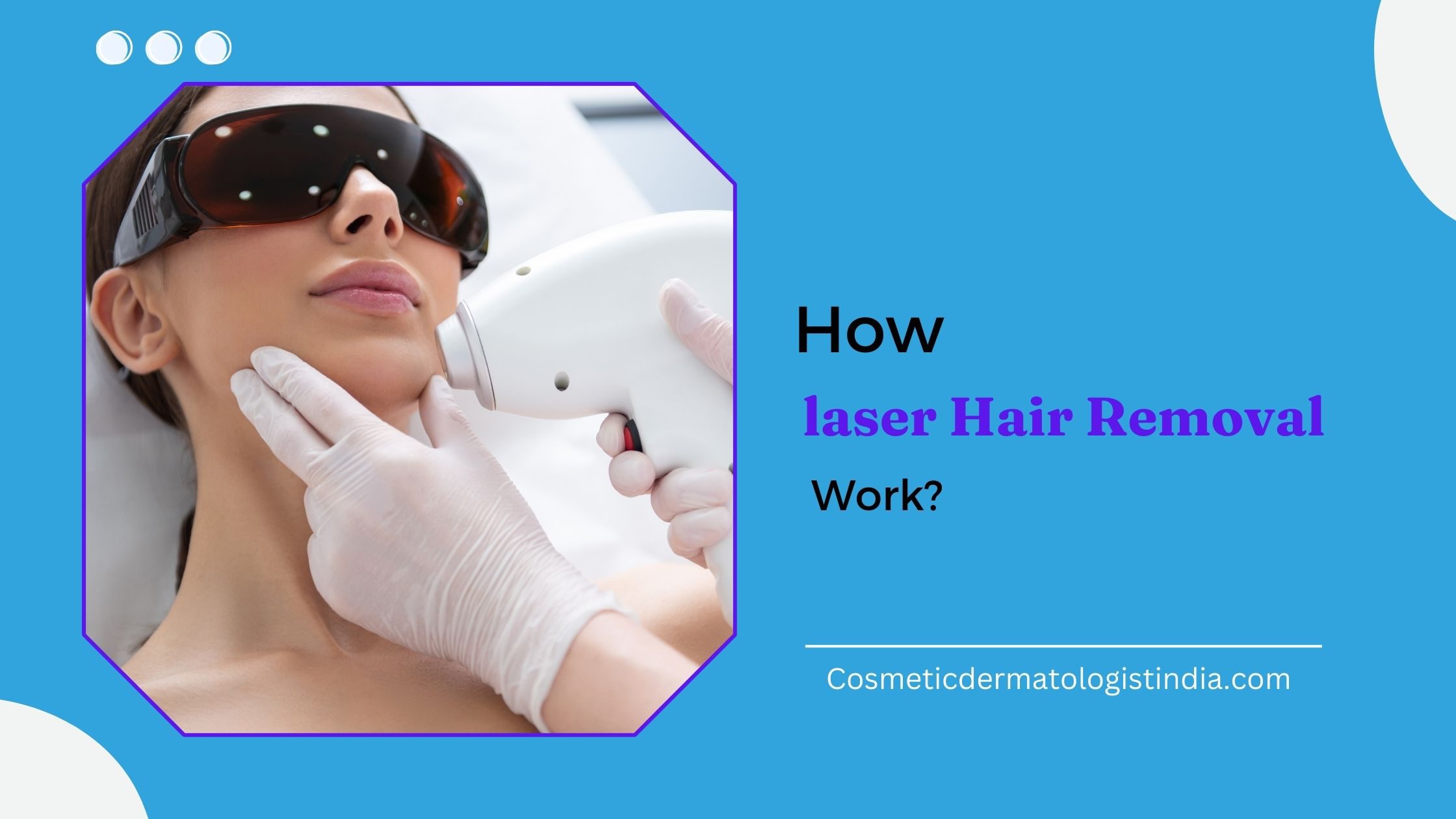
How can laser hair removal work?

Tags : 

Most of us have faced this issue sometimes in our lives when we want to wear our favourite sleeveless or short dress or a crop top or skirt but are not able to do so because we have not waxed or shaved yet.  The same is the case of men, sometimes there is an important interview or date to go to and no time to shave and the body hair just does not fit do they? The simple solution is to get the hair removed permanently using lasers. In many cultures, too much facial hair is considered disfiguring and many feel conscious about the hair on their body. Some women suffer from hirsutism which seriously affects their quality of life and other social and interpersonal activities.  Permanent hair removal using lasers can help control hair growth in hirsutism in women.

Laser treatment for hair removal is the buzzword today and many actors and models are opting for it as it gives them the freedom to wear whatever they want without having to worry about saloon appointments or relying on unreliable shavers.  Permanent hair removal using a laser can be done on any body part including

  • Chest
  • Back
  • Bikini line
  • Armpits
  • Neck
  • Shoulders
  • Face (but not around the eyes)
  • Legs
  • Arms

Traditional hair removal practices have many disadvantages such as

  • Waxing can be painful and cause damage to the skin
  • Shaving causes ingrowths and needs to be repeated every second or third day
  • The hair grows rougher after shaving
  • Waxing needs to be done in frequent intervals
  • Plucking is very painful and does not give results in larger areas
  • There is always a risk of skin cuts and skin pulling in threading

Let’s take a look at full-body laser hair removal benefits

Lasers are a safe and easy way to remove body hair permanently but there are many other benefits of permanent hair removal as well.

  • It is a long-term solution to hair growth. Once the hair follicles are dead, they do not grow hair. This means years and years of body hair-free life.
  • They are very low maintenance. You might have to go for a touch-up every now and then but that is nothing compared to the time and energy wasted in shaving, waxing and plucking.
  • Side effects of laser treatments are very rare. There is hardly any pain or increased skin sensitivity. You might notice some redness at the follicle but that goes away in 24-48 hours.
  • These treatments are quick. Unlike other body hair removal treatments laser hair removal sessions are short and you can get back to work almost immediately. Lasers can treat an area about a size of a coin in just a second. For example, only 20 minutes are needed for the underarms or bikini area, and under a minute for the lips and legs and arms takes about only 1 hour.
  • Get relief from all the ingrown hair. A big risk of shaving and waxing is ingrown hair that is not only ugly to look at but can also cause skin irritation. Laser hair removal does not have ingrown hair as a side effect.
  • Lasers work great for sensitive skin.
  • Laser treatments for hair removal are less painful than waxing, threading, tweezing.
  • More safety. No longer need to worry about razor cuts or scaring or change in skin texture. Laser hair removal technology does no damage to the skin.
  • Laser treatments are very precise. Lasers can be targeted to remove specific hair leaving the skin undamaged. Different lasers with different wavelengths can be used to target a small section of the skin or a particular area such as between your eyebrows or in beard shaping.
  • Lasers have more benefits than side effects. Lasers are also skin rejuvenating and help you get rid of acne, acne marks, and dark spots to improve skin quality.
  • Laser hair removal prices might seem high but if you do a budget calculation it works out much cheaper than the trip to the salons, shaving cream, razor costs, and the cost of your time. Most clinics offer an EMI option in laser hair removal treatments therefore it is not heavy on your pocket as a long-term solution.

How does laser hair removal work?

Our hair grows from the millions of follicles that are present in our skin. Each hair follicle has a unique cycle of growth, resting and shedding periods. Laser permanent hair removal treatment is targeted to destroy the hair follicles. The hair follicles are easy to target because of their contrasting colour to the surrounding skin. The pigment in the follicles absorbs the laser light. The heat generated by the lasers renders the hair follicles unable to generate or sustain any new hair. Dermatologists use triple wavelength lasers which are a combination of a diode laser, long pulse ND: YG laser and Alexandrite laser to treat different lengths and thicknesses of hair.

How many treatment sessions are needed?

On average about 6-8 treatment sessions are needed to completely remove the hair. 90% of people see permanent hair loss after a few treatment sessions. The number of treatments needed depends on

  • Colour and coarseness of the hair
  • Hormonal stimulus
  • Area of the body

The sessions of laser hair removal are spaced four weeks apart. The hair in the resting period might not be visible and therefore the time is given between the sessions so that the hair can regrow. In areas with slow hair growth such as the back, the treatments are placed further apart such as 12-16 weeks. Hence each session of permanent hair removal using lasers helps achieve a certain level of reduction depending on the skill of the technician and the darkness and thickness that grows back. Since the laser targets melanin in the hair, many people also notice a significant reduction in the colour of the hair as they become lighter and less visible.

Am I as suitable candidate of laser hair removal

Laser hair removal works best for people who have darker hair with lighter skin tones and this makes it easier for the laser to target the follicles. laser hair removal, when done by an expert and the right machine is a great option for everyone i.e. all genders, skin tones, ages and even people with medical histories. However, this generalization does have some exceptions because laser hair removal is not recommended for women who are

  • Pregnant
  • Breastfeeding
  • Going through puberty or menopause

If you are in the age group of teens to late 20s your body might still be undergoing hormonal changes and therefore it is possible that you notice new hair growth after the treatment. But don’t worry this can be easily treated with another round of hair removal.

Results of permanent hair removal

You will notice that a few of your hair is shed in a few days after the treatment.  After the initial treatments are over your doctor will ask you to have yearly touch-up sessions. Some people go by years without a regrowth. Laser therapy gets rid of hair very effectively and prevents them from growing back for a long period of time. But consistency is the key to the best result with this treatment.

Is laser hair removal permanent?

Yes, it is. However, in some people, few hairs might grow back in the targeted area because of various natural reasons. Hence periodic sessions are needed to eliminate all hair. The regrown hair is usually less noticeable than before because of the damaged follicle. Also in people who have too short hair or have hair that is resistant to treatment, laser hair removal might not work.

Getting ready for laser hair removal

It is not about just walking into a spa and asking for hair removal. Laser treatment for hair removal is a medical procedure and contains some potential risks. Before going in you should check the credentials of the practitioner or the doctor and ask about their experiences and qualification.

Before the treatment avoid

  • Plucking
  • Waxing
  • Electrolysis
  • Using hair removal creams

After laser treatment

  • Avoid sun exposure for one day, after that using sunscreen is very important
  • Do not use a tanning bed
  • Avoid wearing makeup till the skin heals
  • Don’t shower or bath immediately after treatment

Laser Hari Removal Side Effects and Risks

With the post-laser treatment, your skin might feel a little sunburned. The doctor will give you cool compresses and moisturizers to cool the skin. There is rarely any scarring or changes in skin colour but some swelling and redness are common it goes away in one or two days. People with dark skin might notice some change in skin colour but it is temporary.

How much Laser hair Removal Cost

Laser hair removal prices vary and depend on many factors including

  • Size of the area being treated
  • Time required for the treatment
  • Regrowth of hair
  • Number of treatments
  • The skill of the technician or the doctor
  • Geographical location

Since it is a cosmetic procedure, insurance does not cover permanent hair removal using lasers.


  • 0
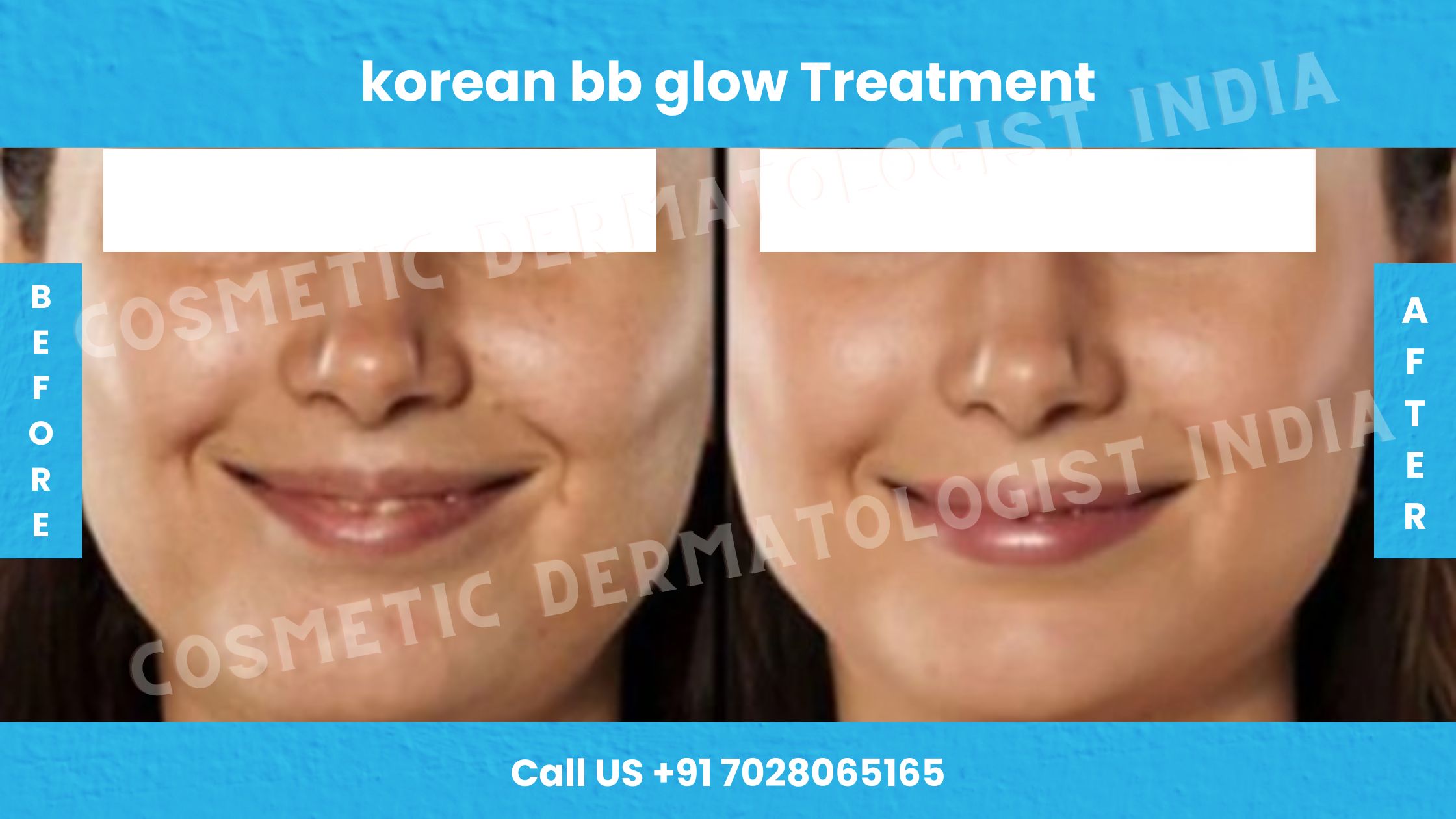
Korean BB Glow Treatment Mumbai India

Korean BB Glow Treatment Mumbai India

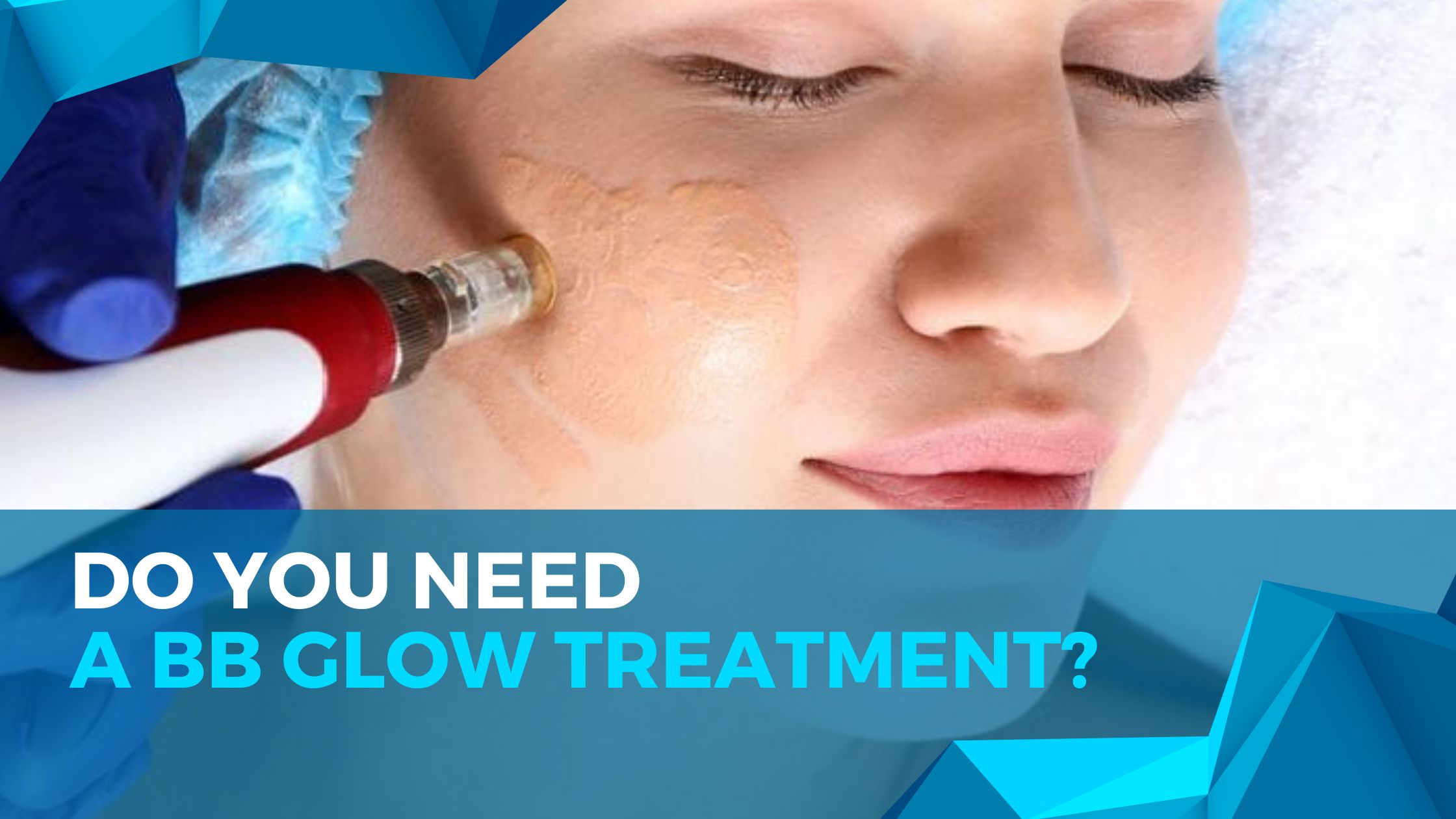
What is BB Glow?

A glowing and countered skin is everyone’s dream. To wake up with the perfect skin and not to worry about cakey makeup or spend some extra time before going to the office and parties getting the perfect makeup is like having a perfect life. Every woman dreams of waking with clear, contoured, and flawless skin in the morning and staying that way the whole day.  Fortunately, the latest revolution in the skincare and beauty world, is the Korean BB glow treatment.

While it is still new for the rest of the world, Korean beauty skin care has been using bb glow treatment in mumbai for quite some time now. BB stands for beauty balm or blemish balm. It is a fast, safe, and effective treatment that has become extremely popular in the last few years. It is one of the most sought-after facial treatments of recent times. Unlike other facials whose effects wear off in some time; the results of the BB glow treatment last for a very long time. You can also call it permanent makeup that creates the looks of foundation hence it is also called semi-permanent foundation. The result of this treatment is a completely natural-looking, semi-permanent foundation for your skin that makes it look like you are wearing the highest quality waterproof makeup that will not get cakey or rub off. Let’s See What the celebrity dermatologist in India says about Korean BB glow treatment.

What are the benefits of BB glow treatment?

There are many benefits of BB glow treatment including

Skin issues that BB glow facial can reduce the appearance of

  • Skin discolorations like undereye circles, freckles, redness, age spots
  • Acne scars
  • Wrinkles and fine lines
  • Dull and dehydrated skin
  • Blemishes and discolorations
  • redness and broken capillaries caused because of rosacea
  • Blackhead and pores

Keep in mind that BB Glow facial is not a treatment for skin problems it is a semi-permanent makeup for the skin It has many direct and indirect benefits that will give your personality more confidence. Among the benefits of BB glow facial treatment include

  • Unlike other makeup, it does not clog your pores or cause breakouts. The pigment is under your skin and not on top of it.
  • It gives instant radiant and beautiful complexion results and therefore you are party-ready any time
  • It hydrates the skin
  • BB glow does not wash off. So you can enjoy your favorite activity like swimming, jogging working out and sweat as much as you want but still have flawless skin and an amazing glow.
  • BB glow serums are filled with natural and potent nutrients. It infuses your skin with antioxidants, vitamins, and other ingredients necessary to keep the skin looking fresh and youthful.
  • It improves the texture and quality of the skin naturally.
  • The micro-needling technique used creates micro wounds deep in the skin which pushes the skin into healing mode and stimulates natural collagen and elastin production in the skin which tightens the skin, regenerates healthy and new skin cells, and results in tighter, firmer, and plumper skin.
  • It can be customized to target specific skin issues and all skin types. The Korean BB glow facial has many special formulas for treating different skin issues.
  • It reduces melanin content in the skin before and after sun exposure.

Why and when you need a BB glow treatment?

Korean BB Glow Facial Treatment

Anybody can have  BB glow treatment done if

  • Do you have any skin issues that you would like to cover up
  • you want to improve the overall skin state
  • you have back-to-back functions to attend and you want to look perfect or won’t have the time to redo your makeup
  • You want to cover freckles, age spots, sunspots, lax skin, etc.

Who should not get a BB glow treatment?

Don’t opt for BB glow treatment if

  • you are pregnant or nursing
  • you are undergoing cancer treatment
  • Do you have active acne or psoriasis
  • you are suffering from a skin infection
  • your skin is prone keloid scarring
  • your skin is prone to allergies to cosmetic products
  • you are taking any blood thinning medications
  • Do you have skin cancer or any open wounds
  • you have recently undergone any soft tissue fillers

How is BB glow treatment done?

BB glow treatment is a multi-step treatment and is done in a professional setting. These steps include

  • Step 1: In this, the skin is cleaned of any dirt, makeup, skincare residues, bacteria, and oil. A gentle cleanser is used for this purpose. This is chosen on the basis of your skin type.
  • Step 2: In this step, an exfoliating gel is applied to the skin. This is a form of chemical peel. It removes the pores, clears the dead skin, and makes the skin ready for receiving the next step. The gel is not massaged on the skin but just left for a few minutes’ i.e. sensitive skin for 2 minutes, normal skin- for 3 minutes, and oily skin for up to 5 minutes.
  • Step 3: A toner is applied to the skin to neutralize the activity of the chemical peel. This is necessary to restore the normal pH of the skin and hydrate the skin.
  • Step 4: Is micro-needling or nano-needling? This is the stage in which the serum is infused into the skin to treat various skin issues. A custom booster serum is tailored to meet your skin needs. The serum is applied using a derma pen and is moved across the face in circular motions.
  • Step 5: This is the final stage of applying a tinted serum to get the foundation makeup look. This is also done using the micro/nano needling device. Depending on the skin colour the practitioner will select the right shade of serum. Darker colours are used for contouring and rosy shades mimic the blush. Tiny dots of serum are placed all over the skin of the face and then the device is used to blend them in. The residual is massaged in the skin.
  • Step 6: This step is to apply a super hydrating mask on the skin that calms the skin, soothes any inflammation, and prevents the skin from drying out. This step takes around 15 minutes.

The entire procedure can be done in about 1-2 hours but can take longer if combined with other activities like LED therapy or other facials. The treatment does not hurt, the maximum discomfort that an individual can feel is during the chemical peel which might sting a bit.

How many sessions of BB glow are needed?

You can see the results from the first session itself but for the full effect, 3-5 sessions can be required. The skin saturation builds over time and the effects show up on the skin gradually. For more severe issues one might have to take more than 5 sessions to ensure the longevity of the results.

How to prepare for Korean BB glow Facial Treatments

Korean BB Glow Facial Treatment

There are no complicated preparations involved in BB facials. This is an outpatient procedure, all you need to do is

  • Stop using Vitamin A derivatives like retinol, retin-A, etc. 3-5 days before the treatment.
  • Ask your doctor’s advice about discontinuing blood thinners for some time before the treatment
  • Do a patch test to check the ingredients
  • Avoid tanning treatments.

BB Glow Aftercare

The effects of a BB glow treatment last for about 4-8 months depending on how good care you take of your skin. Here is what you should do

  • Don’t touch for face post-treatment
  • Avoid sweating or washing your face for 24 hours post-treatment
  • Use a mild cleanser and lukewarm water after 24 hours
  • Avoid makeup for 2 days post-treatment
  • Avoiding swimming or gyming for 7 days
  • Always wear sunscreen
  • No need to go for another facial or some harsh skin care such as vitamin C or retinol for 8 weeks post-treatment.

It takes about 14 days for the skin to heal completely and for the pigments to settle in. The results of BB glow facials are cumulative i.e. with each subsequent treatment you will notice that the results last longer and the treatments become fewer over time

How much does getting a BB glow cost?

BB glow is a semi-permanent makeup solution and its cost depends on the number of sessions needed to get the expected results. Other factors affecting the price of a Korean BB glow facial include the package you choose, your provider’s expertise, and the location of your salon. The serum and tint used in BB facial are customized and this also affects the cost of BB facial. If you book several sessions in advance then you might get a package discount.  For the best results make sure you choose a salon that uses only high-quality products and micro-needling. Contact Us Now for More details!

Before and After Photos of Korean BB Glow Treatment –

Before and After images of Korean BB Glow Treatment

Frequently Asked Questions of Korean BB Glow Treatment –

Question 1:- How long does a Korean BB Glow Treatment session take?

 A Korean BB Glow Treatment session typically takes between 60 to 90 minutes.

Question 2:- How long does the BB Glow effect last?

 The BB Glow effect from Korean BB Glow Treatment can last between 3 to 6 months, depending on individual skin type and aftercare.

Question 3:- Does Korean BB Glow Treatment involve needles?

 Korean BB Glow Treatment does not involve needles; it is a non-invasive treatment that uses a micro-needling device with nano-sized needles to deliver BB serum into the skin.

Referral Links Sections:-

  1. https://www.aesthetics.school/post/aca-8-micro-needling-bbglow
  2. https://www.harpersbazaararabia.com/gallery/bb-glow-alternative-treatments

About Dr. Rinky Kapoor

Dr. Rinky Kapoor- Best Dermatologists in Mumbai, India

Dr. Rinky Kapoor, Co-founder of The Esthetic Clinics, is one of the best dermatologists in the world & currently practices in Mumbai, India. Dr. Rinky Kapoor is a Consultant Cosmetic Dermatologist, Cosmetologist & Trichologist at S L Raheja Fortis Hospital, Mumbai, India. Dr. Kapoor is trained at the National Skin Centre, Singapore & at Stanford University, USA. A celebrity skin doctor, Dr. Rinky Kapoor has won many honors such as “Best Dermatologist in Mumbai”, “Most Valuable & Admired Cosmetic Dermatologist in India” & “Best Dermatologist in India”, etc for her expert dermatology care, affordable & reliable skin care, hair care & nail care Read more

Expertise In

• Skin diseases
• Sexually transmitted diseases
• Hair disorders
• Nail disorders
• Cosmetic skin treatments
• Skin surgeries
• Laser skin treatments

Find Us on Facebook

Get In Touch
close slider