Author Archives: Dr. Rinky Kapoor

  • 0
11 Benefits of Microdermabrasion

11 Benefits of Microdermabrasion

The skin renews itself every few days. This happens with everybody. You cannot see it with naked eyes, but the skin cells shed and new cells take their place. This is an important process and one of the main factors that determines the health of the skin.  Skin cell turnover varies from person to person, in babies this time span is about 14 days, in teenagers it is 28 days and it slows down as one gets older. In the middle age the skin cell renewal happens in 28-42 days and for those in the 50+ age bracket it can be up to 84 days.

This means that the older one gets, the longer the dead skin cells sit on the skin. This build-up raises a host of problems on the skin. the dead skin cells clog up the skin pores and give birth to acne, pigmentation, dullness on the  skin. The skin looks washed out and the clogged skin pores makes it difficult for the skin to absorb the products.  Changing the skin care products also does not help in such cases because the skin does not get the time to Hence one needs regular treatment to keep the skin healthy and remove the dead skin.

How does microdermabrasion help?

Microdermabrasion is a cosmetic procedure that helps remove the dead skin cells from the skin surface. It is a pain free, minimally invasive, and non-surgical outpatient procedure that doesn’t require anaesthesia. The procedure can treat many skin problems in one single session. The goal is to improve skin’s health through the microdermabrasion exfoliation treatment.

Microdermabrasion gives your skin a glow like never before. During this treatment the practitioner will move a wand over the skin that will slough away months of dead skin cells built up. Microdermabrasion does not target the whole body but it is used on the face, neck, forehead, cheekbones, upper thigs, buttocks, hips, waist and stomach area. Microdermabrasion is not done on areas of body where the skin is thin or irregular like ears, and hands for example.

Types of microdermabrasion

There are mainly three types of microdermabrasion devices that influence the microdermabrasion cost in India, and are popularly used by top dermatologists in the country

  • Diamond tipped: This device has a diamond tip attached to the hand piece and is moved over the area of the skin using gentle pressure. The pressure and length of the time dictates the depth of microdermabrasion. This is suitable for using on the face.
  • Crystal: This device sprays very fine crystals on the surface of the skin which scrub the dead skin cells.
  • Hydra dermabrasion: This is the latest technique which uses both water and oxygen to exfoliate the layers of skin.

The exfoliated skin is suctioned off immediately by the device connected to the tip wand. The patient is seated in a comfortable reclining position before starting the cosmetic procedure. At the end the practitioner will clean your skin and apply a soothing moisturizer and sunscreen and the patient can go home. Microdermabrasion helps the new skin cells regenerate more quickly than they would normally and gives many benefits including

  1. Improves skin’s texture: The dead skin and trapped debris in them give the skin a coarse and uneven texture. The microdermabrasion removes the dead skin cells and the dirt and thus soothes out the texture, giving the skin a look that is years younger.
  2. Reduces scars, lines and wrinkles: The appearance of scars, and light lines and wrinkles usually starts with the top layer of the skin. By removing the top layer of the skin, microdermabrasion reduces the appearance of scar, lines and wrinkles and takes away the dullness of the skin.
  3. Improves collagen production: Microdermabrasion tips remove the skin and at the same time creates micro injuries on the surface. These injuries as they heal, stimulate collagen production in the skin, which in turn give the skin a firm, elastic and tighter look, and fighters further signs of ageing.
  4. Treats acne and acne scars: The exfoliation and deep cleansing provided by microdermabrasion can help reduce acne breakouts and improve overall acne-prone skin. but it would not work on active acne breakout but it acts on the trigger of acne. This is an idea treatment for people who don’t have deep acne scars and don’t want to opt for intensive treatments.
  5. Reduces pigmentation marks: Pigmentation is caused on the skin because aging, pollution and sun effects. microdermabrasion reduces the pigmentation and is also used with vitamin C and laser therapies to improve the results. Only in one or two treatments of microdermabrasion make a noticeable different in hyperpigmentation.
  6. Enhanced Absorption of Skincare Products: Removing the outer layer of dead skin cells can increase the absorption and efficacy of skincare products, allowing them to penetrate deeper into the skin and create better and faster results.
  7. Fades stetch marks: Stretch marks are caused because of sudden weight loss or post pregnancy. They can mar the even appearance of the skin. Since microdermabrasion improves natural cell turnover , it means the skin heals faster and reduces the stretch marks. This treatment works well for newly appearing stretch marks.
  8. Pore size reduction and lesser congestion: By unclogging pores and removing excess oil and debris, microdermabrasion can minimize the appearance of enlarged pores. The pores are less congested and let the skin breath to a healthy health. Another benefit is that you will get reduced blackheads. The treatment can be combined with alpha hydroxy acids to make it more powerful.
  9. Improved Blood Circulation: The exfoliation process promotes better blood circulation, delivering oxygen and nutrients to the skin cells, which can result in a healthier complexion and lesser skin issues in a long run.
  10. Quick and Painless Procedure: Microdermabrasion is generally a quick and painless procedure, often referred to as a “lunchtime” treatment, as it can be done within 30 minutes with minimal discomfort.
  11. Suitable for Various Skin Types: Microdermabrasion is suitable for a wide range of skin types, including sensitive skin, as it is a gentle procedure that can be adjusted to suit individual needs. The amount of skin cell removal depends on the amount of time the technician spends on the treated area and the pressure applied determines the depth of skin removal.
  12. Minimal Downtime: Unlike more invasive procedures, microdermabrasion typically has little to no downtime, allowing individuals to resume their normal activities immediately after the treatment.

Microdermabrasion treatment cost in India is very affordable. It is a safe and reliable procedure for anyone who is struggling with premature signs of ageing, age spots, uneven skin discolouration, sun damage and superficial acne scarring. It tightens the skin and softens the skin with a dew after glow. The results last for about three months post the treatment with good skin care and diligent SPF use.

Microdermabrasion treatment cost

The cost of a microdermabrasion treatment in India can vary depending on various factors such as the location, the provider’s expertise, the type of facility, and any additional services included in the treatment package. Additionally, prices may also differ between different countries and regions.

On average, a single session of microdermabrasion treatment in India can cost anywhere between Rs 5000 to Rs 25000 However, keep in mind that this is just an estimate, and the actual prices may be higher or lower depending on the factors mentioned earlier.

It’s always a good idea to consult with a few different providers or clinics in your area to get an accurate understanding of the cost for microdermabrasion treatments in your specific location. They will be able to provide you with the most up-to-date pricing information and any additional details regarding the treatment. Since microdermabrasion is a cosmetic procedure, it is not covered by insurance.
  • 0
9 Questions You Should Definitely Ask Your Trichologist

9 Questions You Should Definitely Ask Your Trichologist

The hair grows and it sheds. It also greys and breaks. Sounds simple does it not? But in the background, the hair cycle represents a lot of things in our body. Sometimes we use all the right kinds of shampoos and conditioners and put in all the serious effort in growing the hair longer, stronger and shinier or just to stop the hair loss but nothing works. Sometimes it just feels like a race against time. Things are just beyond our control . In such cases it is worth is visit to the best trichologist in India. The right diagnosis and scalp health management can be a big game changer for the hair strands.

In the past we had our grandparents to pass on the wisdom of what works for the hair and what not. And some of it was actually effective. Today hair care has evolved 10 folds and we have tools and treatments at our disposal to treat the hair and scalp problem or even help you try something new with your hair. The only way to solve a hair problem is to get to the root of it, find out the cause and tackle it and the trichologist in Mumbai can help you do just that.

Who is a trichologist?

Hair science is an important part of the anatomy and hair and scalp concerns need to be addressed in an organized and scientific manner with the help of a best  trichologist in India. A trichologist specializes in treating scalp and hair problems. They are not doctors but can treat hair fall and other related issues.

Trichology is the study of the structure, function and diseases that can affect the human hair. It is a very vast subject and involves diagnosis and treatment of diseases and disorders of the hair and scalp. It is a very vast subject and covers everything that bothers you about your hair, including, hair thinning, dandruff, alopecia and other scalp conditions.

Best trichologist or hair doctor in India treat hair as an indicator of the internal balance in the body. The condition and health of your hair is an indication of small or big bodily changes. These can be in the form of nutritional deficiencies, genetics, hormonal imbalance, certain autoimmune problems or physiological or psychological stress. The trichologist will check your hair and scalp and do some tests to know what is causing the hair issues. Best trichologist in Mumbai also asks for lifestyle patterns, family history, diet and medical history.

The trichologist has many tools at their disposal for hair analysis such as pull test, trichogram etc and can also ask for a blood test for a greater insight in hair and scalp problems and give the right solutions.

When should you visit a trichologist?

Best trichologist in India recommend a visit to the hair doctor every six months. The reason being like every other medical issue, prevention is better than cure when it comes to hair too. but if you miss the regular visits here are some indicating signs to book an appointment with a qualified trichologist in Mumbai at the earliest:

  • Excessive hair fall for over three months
  • Hair breakage
  • No or negligible hair growth
  • Extreme dandruff
  • Rough and dry hair
  • Split ends
  • Itching and irritation in the scalp
  • Appearance of bald patch
  • Loss of hair from chest, eyebrows or eyelashes
  • Hair thinning and noticeable reduction in hair volume
  • Excessive and permanent oiliness on the scalp
  • Excessive body hair
  • PCOD
  • Thyroid disorders
  • Cancer treatments

The trichologist in Mumbai will get you out of the hair issues using the many surgical and non-surgical procedures in his arsenal. The options range from hair restoration techniques to treating hair colour damage, hair thinning and hair fall.  But before you visit the best trichologist in Mumbai, it is advisable that you arm yourself with the list of essential questions to ask the trichologist to make most of the visit:

9 Questions to make sure you ask your trichologist

What could be the potential causes of my hair and scalp problem?

Finding the root cause of the problem is where you want to start with. There can be many reasons for example in case of seborrheic dermatitis, the reason of growth of the yeast can be compromised immune system, stress, and hormonal factors. Hence it is important to know whether there is a single cause or multiple factors casing hair issues. hair loss can be caused because of many things and this is where the trichologist in Mumbai’s expertise will step in to help.


Is my hair styling and hair care causing the issue?

Maybe. When you meet the trichologist, we very candid about how you take care of your hair, the saloon treatments and your usual hair cut routine. If you are used to keeping a high ponytail or go for frequent hair colour or styling then let the trichologist in Mumbai know. These can be the potential cause of hair damage. Most hair care products are chemical laden. Best trichologist in Mumbai will be able to tell you if you need a change in hair style or the use of accessories to reduce hair damage and hair loss. Each hair type needs different types of shampoo and different tools to keep it the way you want. If you have recently coloured the hair then maybe it is time to switch the product.


Should I shampoo my hair more or less?

Once the best trichologist in Mumbai take a deep look at your hair and scalp, they will be able to work with you for the idea hair wash schedule. Shampooing regularly is not related to excess shedding, you just need a good shampoo and conditioner and don’t pull your hair while washing or drying. The trichologist will tell you about the products that damage the hair roots  and help fill in the gaps that prevent the optimal balance.


Is my hair loss permanent?

Hair loss in most cases is largely temporary and cannot be controlled and even stopped with the right treatment. but in cases of genetic hair loss, it can be permanent and difficult to revive the shrunk hair follicles. the trichologist will suggest the options for both temporary and permanent hair loss.


Is my diet causing the hair loss?

Yes, what you eat matter in your overall hair health. The diet and hair loss often intersect. As a general rule you should avoid any food products that can cause allergic reaction leading to inflammation and reducing the blood flow to the scalp and eventually the hair follicles.

The second food groups causing hair loss are alkaline foods such as carbonated drinks, sugary breakfast food and greasy food. These foods can cause blockages in the scalp with plaque build-up, increase the sugar levels and prevent the hair follicle from breeding healthy hair cells.

The third is dieting, low calorie diets which can cause iron and protein deficiency. Lack of food causes low keratin levels and increase hair shedding.


How long will the treatment take to show results, and what should I expect during the treatment process?

This varies from person to person. But in a general case it takes about five to seven months to see a visible difference in the hair growth cycle. Since each hair growth cycle takes about 3-5 months to complete , you will have to be patient to see the results. If you are suffering from dermatitis then you will see the reduction in the scalp itching and the white flakes first. Different types of hair loss have different healing times. But knowing the approximate timings will give you the time frame for the treatment.


What products or medications do you suggest using to address my condition?

Depending on the cause and severity of the hair fall the best trichologist in India might recommend more intensive treatments. In mild cases OTC medications may be suffice. But in some situations of severe hair loss the trichologist will recommend treatments like QR678 hair regrowth therapy, microneedling, PRP treatment etc. Hair transplants are suggested for patients who have dead follicles which cannot be revived. Fungal growths can be tamed using a medicated shampoo containing ketoconazole or selenium sulphide to control the fungal overgrowth. Additionally, a topical corticosteroid cream or lotion may be prescribed to reduce inflammation.


Are there any potential side effects or risks associated with the recommended treatments?


There can be some side effects of some of the hair treatments. It is best to ask your hair doctor about them before starting the treatment. For example, The antifungal shampoos and topical corticosteroids may cause mild side effects such as dryness or irritation. However, these are generally well-tolerated, and the trichologist will monitor your progress closely to ensure your safety. Similarly, the QR678 hair fall treatment might cause a big of redness and slight irritation on the scalp but it will subsidize in a day or two. If you are allergic to any product, food or medication it is wise to let the trichologist know about the same.


How often should I schedule follow-up appointments or check-ins to monitor progress?

The answer to this will help you work the schedule around your daily work and other appointments. Initially, the recommendation is to scheduling follow-up appointments every 4-6 weeks to assess your response to treatment. Once your condition improves, the frequency can be adjusted accordingly. Try not to miss the appointments for follow up as it helps the trichologist in Mumbai monitor the progress and suggest changes if necessary.


  • 0
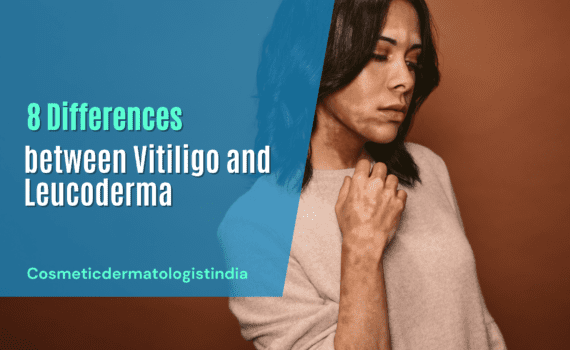
8 Differences between Vitiligo and Leucoderma

8 Differences between Vitiligo and Leucoderma

Vitiligo and Leucoderma are often used interchangeably. They are both conditions that cause white patches appear on skin. it is difficult to distinguish between the two as they have similar symptoms.

What causes the light patches?

The reason is the pigment producing  cells known as melanocytes. The quality and quantity of the cells dictate the colour of the skin. when melanocytes produce extra pigment, the colour is dark and vice a versa. When the normal skin starts to become paler than normal in big or small patches it is because of the lack or absence of pigmentation by the melanocytes.

Both Vitiligo and Leucoderma are non-contagious diseases in which pale patches appear on the skin but there is no oozing or pus formation. The skin conditions can effect all races and age groups and are more visible in people with darker skin. people with vitiligo and leukoderma are born with normal skin and the depigmentation happens later in life. Vitiligo and Leucoderma patches become more noticeable during summers. But this is where the similarity of the two ends.

For the correct diagnosis and vitiligo and leukoderma treatment in Mumbai, it is important that one understands the difference between the two. Here are some common differences between the two

Definition:

Vitiligo:

Vitiligo is a chronic skin disorder characterized by the loss of pigment-producing cells (melanocytes) in certain areas of the skin, resulting in white patches or depigmentation.

Leucoderma:

Leucoderma, on the other hand, is a broader term used to describe any condition that leads to the loss of skin pigmentation. It can include vitiligo as well as other forms of depigmentation disorders.

What Causes this:

Vitiligo:

The exact cause of vitiligo is not fully understood, but it is believed to involve a combination of genetic, autoimmune, and environmental factors. Autoimmune factors are thought to play a role in which the body’s immune system mistakenly attacks and destroys the melanocytes. Apart from these autoimmune diseases such as hyperthyroidism, alopecia areas and pernicious anaemia might also cause vitiligo. Emotional trauma, recurrent jaundice or typhoid fever, corticosteroid treatment, and prolonged antibiotic treatments have also been known to trigger vitiligo in a person.

Leucoderma:

Leucoderma, as a term, does not specify a particular cause. It can be used to describe any condition where there is loss of skin pigmentation due to various causes, including  vitiligo, chemical exposure, burns, trauma, or even certain infections. by congenital abnormalities like Tuberous sclerosis, Partial albinism, Piebaldism, and Waardenburg syndrome may also cause leukoderma. There is a belief that undue stress can also trigger instances of leukoderma.

Presentation:

Vitiligo: Vitiligo typically presents as milky-white patches on the skin, which may be localized or spread over larger areas. The patches may be symmetrical and commonly appear on the face, hands, feet, elbows, knees, and genital area. Hair and mucous membranes can also be affected in some cases. Vitiligo is more prominent on the areas of skin that are exposed to the sun such as the hands, face and legs. It is noticed on both sides of body the as the melanocytes die over a period of time.

Leucoderma: Leucoderma, as a general term, can encompass various patterns of depigmentation. It may include localized or generalized white patches, streaks, or spots on the skin. The appearance and distribution may vary depending on the underlying cause. The patches often start in the form of a scratch or a small cut and then manifest into a white patch. When it is because of an allergy the complete loss of pigmentation melanocyte the leukoderma causes gradual development of white patch.

Difference by Colour:

Vitiligo: the vitiligo patches can be pale white, pink, copper or dull coloured and they turn white over time with sharp margins.

Leukoderma: On the other hand, in this condition the patches are always white in colour and spread from the nucleus of the cut or the scar. The white patches also appear closely bonded with the skin as compared to the vitiligo patches.

Difference by Types:

Vitiligo: There are mainly two types of vitiligo, segmental and non-segmental. The non-segmental vitiligo is the most popular one  and in this the disease affects both side of body and the patches expand over time. In segmented vitiligo there is no expansion and the patch size usually remains the same. The treatment for both types is determined by correct diagnosis.

Leucoderma: This condition covers many different types of pigment disorders such as

  1. Post-inflammatory Hypopigmentation: This type of leukoderma occurs as a result of inflammation or injury to the skin. It can develop after various skin conditions, such as eczema, psoriasis, acne, burns, or trauma. The inflammation or trauma disrupts the melanocytes, leading to the loss of pigmentation in the affected area.
  2. Chemical Leucoderma: Chemical leukoderma refers to depigmentation caused by exposure to certain chemicals or substances. It can occur when the skin comes into contact with chemicals like certain dyes, cosmetics, hair products, or industrial chemicals. The chemicals can damage the melanocytes, resulting in localized or widespread depigmentation.
  3. Halo Nevus: A halo nevus, also known as Sutton’s nevus, is a type of mole surrounded by a depigmented halo. It typically appears as a dark pigmented mole with a white ring around it. The cause of halo nevus is not well understood, but it is thought to involve an immune response that leads to the destruction of melanocytes around the mole.
  4. Piebaldism: Piebaldism is a rare genetic condition that presents with a congenital absence of pigment in certain areas of the skin and hair. It is characterized by large white patches of depigmentation, typically on the forehead, chest, abdomen, and extremities. Piebaldism is caused by mutations in certain genes involved in melanocyte development and migration.
  5. Nevus Depigmentosus: Nevus depigmentosus is a type of leukoderma characterized by a stable, well-defined depigmented patch of skin present at birth. It is not associated with inflammation or itching and remains unchanged over time. The exact cause of nevus depigmentosus is unknown, but it is believed to be a localized defect in the development of melanocytes.

Progression:

Vitiligo: Vitiligo can be progressive, meaning that the depigmented patches may spread over time, enlarging and joining together. However, the rate and extent of progression can vary among individuals. Some may experience a slow progression, while others may have a more rapid spread of the condition.

Leucoderma: The progression of leukoderma depends on the underlying cause. In cases where the cause is not progressive, the depigmentation may remain stable or may improve with treatment. However, if the underlying cause is progressive or ongoing, such as autoimmune conditions or chronic inflammation, the depigmentation may continue to spread.

Associated Conditions:

Vitiligo: Individuals with vitiligo may have a higher risk of developing other autoimmune conditions, such as thyroid disorders, diabetes, rheumatoid arthritis, and pernicious anaemia. There is also an increased risk of developing certain skin conditions like alopecia areata (patchy hair loss) and halo nevi (white rings around moles).

Leucoderma: Since leukoderma is a general term, the associated conditions will depend on the underlying cause. For example, leukoderma resulting from burns or trauma may have distinct associated symptoms or complications compared to vitiligo-related depigmentation.

Treatment:

Vitiligo: The treatment of vitiligo aims to repigment the affected areas or even out the skin tone. Treatment options may include topical corticosteroids, topical calcineurin inhibitors, topical psoralen plus ultraviolet A (PUVA) therapy, narrowband ultraviolet B (NB-UVB) therapy, excimer laser.  In cases of stable vitiligo (where the depigmentation has stopped spreading), surgical interventions may be considered. These include procedures like autologous skin grafts, punch grafts, blister grafting, and micropigmentation (tattooing) to transfer pigment to the depigmented areas. Surgical treatments are generally recommended for smaller, well-defined areas of vitiligo.

Leucoderma: The leukoderma treatment in Mumbai depends on the stages of depigmentation, the age of the patient and the patient’s preferences. The common treatment options include corticosteroids, topical calcineurin inhibitors, Topical Psoralen Plus Ultraviolet A (PUVA) Therapy, Narrowband Ultraviolet B (NB-UVB) Therapy, excimer laser, depigmentation, and cosmetic camouflage. Additionally, maintaining a healthy lifestyle, protecting the skin from excessive sun exposure, and managing stress can also contribute to the overall management of leukoderma.

Both conditions can affect males and females of any age. Treatment at an early stage is more effective than when both conditions are wide spread.


  • 0
Skin Rejuvenation Treatments

Why Skin Rejuvenation Treatments are More Than Just a Beauty Trend

Tags : 

Why Skin Rejuvenation Treatments are More Than Just a Beauty Trend

Ever since the ancient times the motivation to look young forever has been the focus on all the skin and beauty trends. From kings and queens to the fictional character of Mother Gothel who kept Rapunzel hidden to keep her youth forever, looking young and healthy has never gone out of trend. Modern social media generation has a lot of common with the yesteryear when it comes to the desire to keep the skin as it is.

As we reach our 30s the skin begins to change and asks for extra attention. Since the 2020s there has been a sharp rise in the number of women seeking cosmetic treatment and surgeries to get rid of the ageing woes. Skin rejuvenation treatments and skin prejuvenation both are more than just a beauty trend now; they are an essential part of it. You might think makeup does the same job but that is not true.

Makeup has its own limitations and drawbacks and skin care has none. Therefore, the spotlight is on skin rejuvenation and it is the core of beauty routine. The quest for safe ingredients that don’t harm the environment and the skin is always on. Another factor that has bought skin care to the front line is the recent Covid-19 pandemic. Not only the social media was flooded with skin care techniques but natural beauty on a daily basis also had its merits. To have the fresh dewy or the doughnut look without endless layers of makeup is the prime choice.

What does skin rejuvenation include?

Skin rejuvenation is a type of healing and relaxing treatment method that aims to repair skin damage caused because of natural ageing causes or hormonal changes, or sun exposure or because of pollution or lack of skin care over the years. This makes the person look aged beyond the years and give the face a tired and sleepy appearance.

Growing worries about physical appearance, the rising R&D in the companies regarding good skin care, modern technological advancements, and easy access to cosmetic products in local markets have increased the awareness regarding skin rejuvenation.

While skin rejuvenation focuses on restoring the skin, prejuvenation is also a new trend that focuses on preventing the changes that have not yet started or have just begun. Both include a variety of techniques such as chemical peels, microdermabrasion, types of Medi-facials, IPL photo therapy, laser skin rejuvenation and resurfacing, ablative and non-ablative laser treatments, radiofrequency and blue light treatments, LED devices, neuromodulators etc.

Skin rejuvenation not only restores the youthfulness of the skin it also tackles fine lines, wrinkles, volume loss and dullness on the skin. This directly impacts the confidence level of a person. To perform good and be in a state of happiness it important for a person to feel confident in his own skin and skin rejuvenation treatments in Mumbai help do just that. Today skin rejuvenation focuses on holistic beauty aiming to keep the skin fresh and radiant looking longer.

Benefits of skin rejuvenation

Skin rejuvenation has already broken the gender barrier and opened a new target audience for practitioners and pushing for more skin specific treatments.

  • Reduces fine lines and wrinkles by not just hiding them, instead skin care treatments improve collagen production in our body and thus treat saggy, wrinkles and dry skin bringing back the glow and smoothness.
  • It minimizes facial veins by disintegrating them and they are absorbed by the skin to given an even toned skin. Facial veins are prone to dilating and stretching because of sun damage to the skin. This robs the skin of its natural youthfulness.
  • It greatly improves acne scars caused because of the breakouts you had in your teen or the adult life. Acne can cause disruption in normal collagen production in our body and cause scaring because the collagen does not go back to its full capacity. Skin rejuvenation techniques help get rid of the scars.
  • Reduction in sunspots (hyperpigmentation). Pigmented skin can look old. Skin care treatments help break down the melanin and pigments under the skin without harming the other areas.
  • Relives redness and inflammation caused by rosacea, eczema etc. by shrinking the blood vessels and additional collagen production and boosting the overall skin texture.


Trending skin rejuvenation treatments

Technology changes every year and with it, it brings new and more effective skin rejuvenation treatments. Here are some trending skin treatments that you should know about

  • Botox: We know you might be thinking that Botox is an age-old treatment, what is new in it? Botox was the first game changer in the beauty and wellness industry. It is non-invasive, has quick and easy results and does not need special attention. In the latest trends there is no strain of the toxin that makes the results last longer. And it is just not for the wrinkles on your face, it can also treat the gummy smile, twitching in eyes, cure jaw clenching and TMJ, relive chronic migraines and even reshape the face.


  • Facials: Old time facials use products and new age facials use technology. The steps are the same, cleansing, exfoliation, massaging, nourishing masks. Medi-facials are the in thing. They are the mini treatments that you need to get quick and dramatic results for your skin. they contain products that are specific to your skin concern and expectations. The modern facials include use of gadgets like the lasers, microneedling etc. Popular facials include

Thermasure which uses radiofrequency energy that can reach the deepest layer of the skin. It heats the skin and starts the natural healing process to reduce lines including crow’s lines, forehead line, lax skin around the eyes, dull appearance, and dark spots. The effects last for about three months.

HydraFacial: it is a safe for all skin types and treats all skin issues type of facial that give immediate results. You can use this to treat uneven skin texture, oily skin, dry skin, acne, blackheads, fine lines, pigmentation, wrinkles and pores. It removes the impurities and dead skin and fortifies the skin with hydrating and moisturizing products to protect against free radicals and environmental damage.

Photo facials: These harness the healing properties of the laser and can be used on face, neck, arms, chest, legs too. It works by healing the broken capillaries, shrinking enlarged pores, reducing redness, and age spots. This facial works even on deep wrinkles and can be used to treat spider veins.

Plasma facials: Also, popularly known as vampire facials they are excellent for the ages between 30-40.  They use an advanced version of platelet rich plasma therapy and are used to reduce the tell-tale sign of ageing, scars and melasma.


  • Chemical peels: The latest peels are a mix of skin rejuvenating chemicals such as glycolic acid, lactic acid etc which do not actually burn the skin but help in skin exfoliation and healing or long-term results. Post treatment the new skin that grows is smooth and wrinkle free.


  • Dermabrasion and Microdermabrasion: This process is a physical exfoliation of skin. The abrading device or tip is gently moved over the skin to remove the dead skin cells and along with them the skin troubles such as fine lines and wrinkles, and dull and pigmented skin.


  • Microneedling and LED combination to deliver skin nourishing ingredients deep in the skin and get getter results. The needling and light effect increases the absorption of products under the skin and LED light help in natural skin rejuvenation. This combined skin therapy can be customized for acne control, wound healing, collagen production, treating congested skin, black heads, stretch marks and acne scars.


  • Lasers: These are the gold standard for skin rejuvenation treatments. Lasers hardly have any downtime and can be used for myriad of beauty concerns such as skin discolouration, skin laxity, acne, acne and other injury scars, signs of ageing, tanning, extra hair etc. Lasers give an instant facelift and also help with skin contouring.


  • Ultherapy: This treatment utilizes the ultrasound energy to treat and tighten the skin in the lower face. An excellent treatment to reduce the double chin, Ultherapy is also used to treat the skin on neck and check to reduce lines and sagging.

When to start skin rejuvenation treatments?

It’s never too late to start thinking about your skin. No matter how careful you are with the cleaning, toning, moisturizing routine at a regular basis; the effects of ageing and environment start to show by early 20s and 30s. To keep the confidence intact and youthful skin looking rested and fresh, you should start with basic skin rejuvenation treatments as early as possible i.e., when you notice the first wrinkles and lines.

The best way to find the right treatment is to consult a good dermatologist or a cosmetic surgeon. Safe protocol is a prime concern in these treatments. Learn about what treatment suits your skin the best. All the treatments like the laser, photo facial, peels, microneedling etc can be optimized easily. Modern skin rejuvenation techniques are highly developed with precision involved in administration. There are no major risks in these treatments and the results are visible almost immediately.


Skin rejuvenation treatment cost

There are various skin rejuvenation treatments available, and the cost can vary depending on several factors, such as the type of treatment, the area being treated, and the location of the clinic.

On average, the cost of skin rejuvenation treatments in the United States can range from Rs. 2000 to Rs. 75000 per session. However, the cost may be lower or higher depending on the specific treatment being performed. For example, a chemical peel or microdermabrasion treatment may cost less than a laser treatment or injectable treatment such as Botox or dermal fillers.

In addition to the type of treatment, the area being treated can also affect the cost of skin rejuvenation treatments. Treating larger areas such as the full face, neck, or chest will generally cost more than treating smaller areas such as the forehead or around the eyes.

The location of the clinic can also impact the cost of skin rejuvenation treatments. In general, clinics located in metropolitan areas or affluent neighborhoods may charge more than those located in rural or less affluent areas.

It is important to note that most skin rejuvenation treatments require multiple sessions to achieve optimal results, and the cost can add up over time. Some clinics may offer package deals or discounts for multiple sessions, which can help to reduce the overall cost.

Before undergoing any skin rejuvenation treatment, it is important to consult with a qualified and experienced provider to discuss the options and the associated costs. It is also important to consider the reputation and experience of the provider to ensure that the treatment is safe and effective. It is important to consult with a qualified provider and to consider the long-term cost of multiple sessions before undergoing any skin rejuvenation treatment.


  • 0
Anti-Aging Treatments

Understanding the Different Types of Anti-Aging Treatments Available Today

Tags : 

Understanding the Different Types of Anti-Aging Treatments Available Today

Defying time is something we all have thought about at one point of life. Sadly, though it is not yet possible to go back in time, modern science has made it possible for us to remove the signs of ageing from your skin. There are several different types of anti-ageing treatments available for men and women worldwide and each works beautifully.

As we age our skin ages too. Ageing is just not in numbers it is a cocktail of many biological and extrinsic factors. Since our skin and hair are taking as an indicator of well being or beauty and the perception of health is related to alert and fresh you look. As we grow old, our metabolism starts to slow down.

  • Our body sheds dead skin cells and produced new cells every day, as the body slows down this cell turnover also decreases, this gives the skin a dull appearance.
  • Ageing also reduces the production of collagen, a protein needed to keep the skin taut, and as a result the skin becomes lax and lines and wrinkles start to appear. Collagen content in the skin declines by 1% yearly.
  • Ageing also leads to the skin become dry and lack lustre in appearance and prone to hyperpigmentation and tanning
  • Hormonal changes in the body also exacerbate the signs of ageing and even cause adult acne and breakouts.

Other factors that can cause your skin to age include the environment that we live in. The daily exposure to harmful UV rays, pollution, vehicle smoke etc. also contributes to early ageing of the skin. Hence the anti-aging treatments are generally holistic and include preventative measures, cosmetological suggestions, systemic therapy, and invasive procedures.

Expert dermatologists or cosmetologists are the best person to suggest the right treatment for your skin, they will examine your skin and give the best advice based on the skin type, your concerns, the thickness of the skin, and the severity of the signs of ageing.

To make things easier for you here we have listed the top anti-ageing treatments that you should be aware of

Chemical peels

These new age treatments very popular around the world primarily because they can be customized to suit the skin type and the degree of ageing. Ageing skin is not able to repair itself because of low collagen and elastin availability. Chemical peel is one of the skin therapies that can aid your body in reconstructing new collagen and elastin.


chemical Peels are a type a chemical resurfacing which is used to remove all the gunk from the top layer of the skin. This process uses a mix of skin friend chemicals that penetrate the top, middle or deep layer of the skin to reduce various skin concerns. Chemical peels are also called as derma peeling or chemexfoliation. The chemicals are applied on the skin and they burn out the top layer of the skin to remove light to medium acne scars, fine lines and wrinkles, sun spots, and tanning. The chemicals also cause light trauma to the skin and as the skin heals to make a new skin surface, it is tighter, brighter and blemish free.

Cost

The cost of chemical peels depends on the type of peel that is used on your skin. The peels can be formulated according to your skin concern. The cost varies with the formula of the peels and the number of sessions needed to get the desired results.

Dermal fillers

Dermal fillers are gel like substances that are shot deep inside the skin. They replace the spent volume under the skin, soften the wrinkles and folds of the skin and adds definition to the facial contours. Dermal fillers are gel like substances and completely safe for the skin. They give instant results and need no downtime.

Another benefit of dermal fillers that they are easily reversible. If you don’t like the results then a simple solution injection can dissolve the fillers and they are flushed out of the body through the natural system. Dermal fillers are FDA approved and have the following types

Hyaluronic acid

Poly-L-Lactic-Acid

Calcium Hydroxyapatite


Cost of Dermal Fillers

The cost of dermal fillers as anti-ageing treatment is influenced by the number of points to be treated, the amount of fillers needed and the surgeon’s fees. Since dermal fillers need to be artistically injected to ensure that natural contours of the face are enhanced and do not look made up, the cosmetic surgeon’s expertise matters the most when asking about the cost of dermal fillers. Fillers such as hyaluronic acid for about 6-12 months and permanent fillers last for 18-24 months comfortably.


Microdermabrasion

Microdermabrasion is a physical abrasion procedure which is painless and minimal invasive.  This removes the top layer of the skin using a crystal spray device or a diamond tip handheld device. This is gentler than dermabrasion and heals quickly. Microdermabrasion is suitable for all skin types and is used to treat mild signs of ageing and improve skin elasticity. You might need several sessions to get the desired results.


Cost of microdermabrasion

Cost of the anti-ageing treatment in India includes the number of sessions needed, the location of the clinic, the device used by the surgeon and the area of the skin being treated.


Dermabrasion

This is the big brother of microdermabrasion. This is an exfoliation device that has a rotating abrasive tip attached to it. the device is rotated on the skin and it removes the top layer of the skin and the dirt and oil on it. It improves the skin’s appearance dramatically and can treat uneven texture, fine lines, sun damage and skin laxity.  The new skin post dermabrasion is smooth, pink and glowing. It takes about three weeks to see the results. You will need to avoid sun for a few weeks post the treatment.


Cost of dermabrasion

This varies with the number of sessions needed to get the desired results and the patient’s skin condition. Dermabrasion needs specific aftercare and you can ask your clinic about it. They will recommend gentle moisturizers and cleansers for your skin to help in faster healing and skin regeneration.


Laser skin resurfacing

Although not new to the anti-ageing treatment options, the modern lasers have emerged as the gold standard for skin treatments they can be used to treat every skin concern without the need of surgery. Laser skin resurfacing can treat mild to deep wrinkles and lines, remove sun spots and scaring, reduce skin laxity and improve collagen production, remove unwanted hair, reduce fat under the skin, treat acne and breakouts and so much more. There are two types of lasers in use

Non ablative laser treatment: These lasers treat the top layer of the skin from the inside and reduce pigmentation. These do not cause any actual trauma to the skin.

Fractional Laser skin resurfacing: these are gentler than any other laser treatment. The light ray is split into microscopic treatment zones and work on a large portion of the skin. This way only the treatment area is targeting and the surrounding areas remain un damaged. Fractional CO2 laser skin resurfacing works on both top and lower layers of the skin safely.


Cost of Laser skin resurfacing

Lasers are extensively used for skin treatments around the world. They suit all skin types and give excellent results. Their price is slightly on the higher side but they give near permanent results without any skin damage or down time and that makes it works the cost. The cost of laser skin treatments varies with the skin concern treated (multiple concerns can be treated at one time), the type of laser selected, the expertise of the surgeon and the number of treatments needed for the skin type.


Botox Therapy

The oldest of the anti-ageing treatment. Botulinum Toxin Therapy is an effective treatment against facial wrinkles, glabellar lines, crow’s feet etc. Botox is also popularly used for migraine treatment, reducing excessive sweating, controlling neck spasms and lazy eye, regularizing an overactive bladder. When injected in the skin, Botox prevents the muscle from moving and thus the nerve endings don’t get the signals to form an expression. Botox treatments last for about 3-6 months.


Cost of Botox treatment

Botox is not very costly and only a very small amount is needed to get the desired results. The price of this anti-ageing treatment in India is dependent on the number of injections needed, the area being treatment and the schedule of maintenance treatments.


Non-surgical cellulite treatments

Cellulite treatments help smooth the skin and reduce the formation of wrinkles. They can be in the form of FDA approved injectables or through the laser treatment or with the use of radiofrequency. These treatments break down the cellulite packets under the skin and then they are naturally flushed out of the system. Your skin will look younger and more sculpted post the treatments.


Anti-ageing treatments are more effective if you take good care of the skin post the treatments. Regular cleansing and toning, removing makeup every night, using only good quality skin care products, and doing good exercise and diet will keep your skin younger looking longer and make the treatments more effective.


  • 0
Laser Treatment for Wrinkles and Fine Lines

The Pros and Cons of Fractional CO2 Laser Treatment for Wrinkles and Fine Lines

Tags : 

The Pros and Cons of Fractional CO2 Laser Treatment for Wrinkles and Fine Lines

Fractional CO2 laser skin resurfacing treatments are the gold standard for skin treatments for the Indian skin. The temperature in Indian subcontinent are on the warmer side all through the year and the sun shines brightly. The skin gets exposed to the harmful sun rays and leads to many problems such as dry skin, early onset of wrinkles, skin weathering, fine lines etc.  These are the issues that one normal faces with old age but exposure so sun can bring them forward before their time. The result is that you start looking tired and old and the skin loses its natural lustre.

Fractional laser skin treatments are the simple and quickest way to see long lasting results in wrinkles and fine line treatments. While other ablative and non-ablative lasers are good for the skin, they do not give the same precise results as a fractional CO2 laser. This is a new-age treatment for the skin which can treat a range of skin problems without damaging the skin. The pros of fractional CO2 laser treatments far outweigh the cons of the treatments.

Who can get a laser CO2 treatment

  • People who have an otherwise healthy skin but facing with problems such as facial wrinkles, age spots and fine lines
  • Adults with saggy skin, acne scars, facial scars and blemishes etc.
  • People looking to correct uneven skin tone and pigmentation
  • Patients seeking treatment for skin tan or damage because of UV rays

How does this treatment work?

Lasers are essential beams of light that can reach under the skin and help heal various skin issues. They do not use any chemical on or in the skin or sand or abrade the layers of the skin. Lasers target the dermis under the skin and cause the collagen to regenerate and tighten the elastin fibres to give the smoother and brighter look to the skin on surface with fewer lines and wrinkles. There are no incisions made in the treatment or need for stiches.

The fractional CO2 laser targets the deeper skin tissue layers and gently ablates it in a fractioned manner i.e., it works on the columns of the problem areas of the skin and does not affect the other parts of skin. The light rays heat up the skin creating tiny heat channels under the skin which in turn triggers the body’s natural healing response and activate natural collagen production for faster tissue healing.

Apart from anti-aging treatments such as wrinkles, fine lines and pigmentation, lasers can also treat

  • Rosacea
  • Uneven skin tone and texture
  • Dull skin
  • Sun damage and age spots
  • Hyperpigmentation
  • Acne and other scars such as surgical and accidental
  • Skin laxity
  • Reduce stretch marks
  • Reduce the appearance of prominent spider veins
  • Tighten skin pores
  • Remove unwanted hair from the body including underarms and pubic area.


And it is not just the face, laser treatments can also be safely used on face, neck, chest, hands etc.

How is Fractional CO2 laser treatment done?

  • The skin is prepared by cleaning the dirt, oil and bacterial from it and sanitizing it. do not wear makeup on the day of the treatment.
  • Then the doctor will apply a local or topical anaesthetics to the area which will help make you comfortable during the procedure.
  • The dermatologist will mark the treatment areas and use the targeted CO2 laser beams to repair the wrinkles, lines and other skin damages.
  • The skin is then wrapped to protect it and heal it properly.
  • You can go home and about your normal activities the same day.

Pros of Fractional CO2 skin resurfacing treatment

This type of laser skin treatments can reduce your skin trouble such as wrinkling by almost half. It is an excellent treatment giving dramatic changes even in deep wrinkle and fine lines. The overall improvement in skin texture is sure to earn you many compliments for your age defying looks. Here are some advantages of opting for this procedure for skin treatment

  • Its side effect is skin tightening. Which is actually a hidden benefit of the procedure. The results continue to improve for about a year after the treatment.
  • It has a much shorter recovery time then other skin resurfacing procedures such as chemical peels and microdermabrasion. There is no pain during the procedure.
  • It takes only just 60-90 minutes per session and results continue to improve over the year
  • Results are visible in just one treatment
  • Fractional CO2 laser can be combined with other treatments for the skin such as use of injectables and surgical cosmetic procedures.
  • Higher patient satisfaction ration because Fractional CO2 laser treatments can be used on all skin types and in all age groups.
  • Less pain and shorter recovery time (just a couple of weeks)
  • Better long-term results than other treatments. Fractional CO2 laser promotes natural healing of the skin. Therefore, it not only gives immediate skin correction results but also the results keep improving over the next one year.
  • Creates more youthful appearance. The older you are the difficult it is to recover from the surgical skin correction procedures. Fractional CO2 lasers give faster and better results without the usual drawbacks of a surgical procedure.

Cons of fractional CO2 laser treatments

Laser treatments as anti-ageing option is a cosmetic treatment and it goes without saying that you need to take good care of your skin post the treatment. If you don’t then the fractional laser might not give the results that you are seeking

  • For up to two weeks, you might have tender skin and require cleaning of the skin and application of ointment to prevent scabbing and bring down the redness and inflammation.
  • If you are not using proper sun protection then the skin might become more pink or red
  • Sometimes fractional CO2 laser skin resurfacing can cause pigmentation to the areas that are not treated.
  • You might notice more acne or an exacerbated condition because of the creams and bandages.
  • Touching the healing area increases the risk of infection. In some cases, the treatment can aggravate or reactive the herpes and cause cold sores.
  • Skin might become lighter or darker after the treatment
  • In rare events scaring might happen
  • It will take about 3 weeks to see the full results
  • Pre and post treatment protocols need to be followed seriously
  • Fractional CO2 laser treatment cost in India is a little on the costly side


The very fact the fractional CO2 laser treatments promote the skin to heal itself is quite incredible. It is an efficient way to get dramatic changes in your skin in just one session. All you need to be aware of is the downtime and discomfort and be prepared to handle it as the doctor suggested. It is not a rush treatment. For some this treatment might not even work, for example

  • People who are prone to sun damage or cannot avoid sun
  • Patients who are prone to pigmentation
  • Patients who have a tendency to get hypertrophic scars and keloid scars
  • People suffering from vitiligo, psoriasis etc.
  • Patients undergoing radiation and chemotherapy


The cost of fractional CO2 laser treatment in India can vary depending on factors such as the location, the reputation and experience of the clinic, and the extent of the treatment required.

On average, the fractional CO2 laser treatment cost in India can range from Rs. 8,000 to Rs. 20,000 per session. However, the cost may be higher or lower depending on the factors mentioned above.

It is important to note that the cost of fractional CO2 laser treatment should not be the only factor to consider when choosing a clinic or doctor. It is also important to consider the qualifications and experience of the doctor, the reputation of the clinic, the technology used, and the after-care services provided.


  • 0
Cosmetic treatments for Sensitive skin

Cosmetic treatments for Sensitive skin

Tags : 

Cosmetic treatments for Sensitive skin

Sensitive skin is not something that you can cure, it is something that you need to manage. It is not a disease it is usually a symptom of another condition. Usually, people discover that they have sensitive skin when they develop an allergic or bad reaction to a cosmetic and skin care product such as the cream, soap, shampoo or makeup.

The advantage of sensitive skin is that it tells you immediately what works for it and what does not in the form of breakouts, dryness and itchiness etc. But the disadvantage is that you cannot just use any product on your skin, you have to find products that are hight quality and made with natural and skin suitable ingredients. Skin type which has low tolerance to cosmetic and personal care products is termed as sensitive skin,

Generally, people with sensitive skin are prone to inflammation and irritation or rashes by fragrances, chemicals, dyes and perfumes that come in direct contact with the skin. according to an international study about 60% of women around the world have sensitive skin and only about 40% of men have to deal with sensitive skin.

What causes sensitive skin?

Sensitive skin is a common issue and there are many factors that might be causing your skin become sensitive. These include

  • Over exfoliation
  • Use of excessive makeup and not doing skin care before makeup application and after removing makeup
  • Reliance on too much alcohol, caffeine, smoking
  • Poor diet
  • Lack of sleep
  • Using harsh, chemical laden products on skin and hair
  • Sun exposure

Sensitive skin can also be cause of eczema, rosacea or contact dermatitis.

Our skin is the largest organ of the body that protects all the internal organs and structures.  All of the above mentioned causes cause damage to the skin and it comes dry and injured leading to the nerve endings becoming exposed and increasing sensitivity. The skin becomes susceptible to penetration by irritants and leave behind a trail of red, inflamed, blotch and dry top layer of the skin that appears cracked or flaky or peels often. People with sensitive skin are often worried about taking cosmetic treatment such as anti-ageing, skin tightening and skin whitening treatments in India.

The truth is that with diligent care and right ingredients, sensitive skin is easy to manage. Cosmetic skin treatments for sensitive skin are customized on the basis of the type of sensitive skin you have. The four common types of sensitive skin are

  • Naturally sensitive skin. This is caused because of genetic predisposition to skin conditions such as eczema, rosacea and/or psoriasis and it is signified by the presence of inflammation in the body.
  • Environmentally sensitive skin. This is caused because of the environmental factors such as living in dry, cold and windy weather or sun exposure, air pollution etc. without skin protection and it causes dryness and redness in the skin. Sensitive skin can also be caused because of the cleaning products we use or it can be also due to lack of sleep.
  • Reactive skin. Overuse or inappropriate use of cosmetic products or potent AHAs can cause the skin to become reactive, red, and inflamed.
  • Thin skin. Some people are born with thin skin and in some the skin becomes thin as it matures. Ageing skin loses elasticity and becomes less firm. This causes the skin to become more prone to damage.

Apart from these your ethnicity also plays an important role in the type of skin you have. Women are more prone to thin skin than men.

Cosmetic Skin treatment for Sensitive Skin

If you have sensitive skin then you need to be scared with cosmetic treatments. The only thing to do is to get them from experts only. Here is a list of treatments that you can opt for

  • Medi facials: those who have sensitive skin should stay away from harsh ingredients and using too many actives on the skin as it can cause irritation and discomfort. The focus should be using products that fortify the skin with antioxidants, SPF, hydrating and cooling ingredients such as ceramides, niacinamide, hyaluronic acid, vitamin E that repair the skin barrier. Your dermatologist can customize a Medi-facial treatment for you that will suit your skin. Oxygen facials, tea tree facials work well for sensitive skin.


  • Chemical peels: You might think that peels might damage the sensitive skin but if it contains the right ingredients for the skin then it can repair the compromised skin barriers and protect the natural one. Gentle alpha hydroxy acids such a malic acid and lactic acid are a good choice as they work more superficially than other peels. Chemical Peels for sensitive skins can also be customized by the amount of time left on the skin, the neutralizing product used, number of layers used and more.


  • LED phototherapy: Infrared lights can penetrate the depth of the skin and trigger the natural system of the body into repairing the skin. This process boosts the collogen production and improves blood circulation. LED light therapy for sensitive skin helps the body calm down the inflammation, redness and irritation. This is an also a beneficial treatment for patients suffering from sensitive skin because of rosacea. Red is the colour used to heal the damaged tissues under the skin.


  • Dermal Fillers: Fillers are super quick skin rejuvenation treatments that can be used to reduce the fine lines, wrinkles, plump up the sunken cheek and do a facelift. Dermal fillers are quick and easy and don’t hurt the skin at all. The most commonly used dermal fillers are hyaluronic acid that is natural, and is highly hydrating.


  • Mesotherapy: Sensitive skin benefits greatly from this treatment. This procedure of Mesotherapy uses micro injections of vitamins, minerals and other essentials in the skin. this type of microneedling creates tiny injuries in the skin, kicking it into healing mode. The body improves circulation and starts with collagen production. The result is firmness, reduced fine lines, wrinkle sand scarring.


  • Lasers: Modern lasers are the gold standard for skin rejuvenation treatments. The advantages of lasers are far reaching, they stimulate collagen production, renew the skin cell turnover, can be used to treat the fine lines, wrinkles and acne scars. For sensitive skin, lasers are used to repair the brown capillaries and bring downing the itchiness and redness in the skin. Nd: YAG and fractional CO2 lasers are most commonly used for sensitive skin.


  • Skin whitening treatments: if you have normal skin, then most brightening and lightening products will contain an element of Vitamin C but it is not suitable for sensitive skin all and can irritate it greatly. The go to skin whitening treatment for sensitive skin in India are glutathione and laser treatments. Glutathione injections and pills brighten up the skin by reducing the melanin production and lasers work by improving the cell turnover.

Having sensitive skin can make skin care very tricky. There are limited number of products and treatments you can enjoy. Extreme reactions such as flushed skin and breakouts can put a damper to all your effects. But you can still get the best skin treatments as long as you go to the right dermatologist and get the suitable treatment for the skin.

Cost of skin whitening for sensitive skin

Skin whitening treatments are often combined with other treatments for skin care too. they are more expensive than those for other skin types because they require specialized products and procedures that do not irritate the skin. however, the benefits of the treatments outweigh the Skin Whitening Laser Treatment Cost in India.


  • 0
Preparing for Laser Hair Removal

Preparing for Laser Hair Removal Do’s and Don’ts

Tags : 

Preparing for Laser Hair Removal: Do’s and Don’ts

Hairless skin has been in style and will remain in style for years to come. Hair removal is one of the most common beauty treatments sought by women and men worldwide. The traditional methods of hair removal include plucking, waxing, shaving and using hair removal creams. None of these give long term results or are pain free.

Not to mention the risk of rashes, ingrowths and infections on skin that come with these methods. Today the hair removal methods have changed a lot but the expectations are still the same: to get the smooth, attractive arms, legs, and other parts of body with little pain and more comfort. This is possible by the modern method of laser hair removal.

Unwanted hair removal from the body using the latest lasers is the safest and convenient way to a hair free skin even from the bikini area.

How does laser hair removal work?

It is a cosmetic treatment. The laser beams target the hair follicles deep in the patient’s skin. They pick the hair follicles because of the pigment melanin in the hair and do not damage the rest of the skin. The light energy from the laser coverts into heat energy and warms up the follicles. This disrupts the growth cycle and interrupts the hair growth.

In couple of weeks post a laser treatment, the existing hair begin to shed and the new hair growth becomes very slow and eventually comes down to negligible hair growth. The new hair the grow during this cycle is very fine and thing and barely noticeable. Lasers can be safely used on legs, arms, underarms, armpits, back, stomach, neck, face (including upper lip and chin) and bikini area. Lasers cannot be used on tattooed areas and areas surrounding the eyes. Multiple hair are targeted in one session of the laser hair removal.

Lasers work on the principle that the pigment in hair is different than the pigment of the skin. The hair follicles should absorb the light and not the skin. The contrast between the skin colour and hair colour plays an important role in this. Dark hair colour with light skin gives best results. Lasers might not be that effective for people who have grey, red, blond and white hair colours as they do not absorb the light well. Best laser hair removal clinic in Mumbai will do a thorough skin analysis before recommending permanent hair removal treatments.

Permanent hair removing using lasers is not a one session treatment. Multiple sessions at regular interval is needed to target the hair follicles in all growth stages. At a minimum 4-6 treatments are needed to get visible long-lasting results. The treatments are placed four to eight weeks apart. Some patients may also need regular touch ups depending on the hair growth cycle. The results of laser hair removal are cumulative and they become more noticeable and impressive with each treatment cycle. Once the continuous hair growth stops, all you will notice is how smooth your skin looks and feels.

In some cases, some people might see some hair growth because of hormonal fluctuations especially around pregnancy. This can be easily addressed during touch up treatments. Laser hair removal in Mumbai is very safe and if you want to get the best results with shortest downtime then there are a few pre-treatment preparations that you need to follow. Best Laser Hair Removal Clinic in Mumbai endorse the following guidelines for patients:


For a few months before the treatment

  • Start avoiding the sun. Reduce the time of exposure to the harmful sun rays, or tanning beds or self-tanners. Wear a sun screen every three hours with an SPF factor of minimum 40 and above. This will ensure that your skin has even skin tone and retains its base colour. Tanning causes damage to the skin and increases its sensitivity to the treatment. tanning can also cause laser burns. In tanned skin the laser might mistake the skin pigment as hair pigment. Also wear a hat and full sleeved breathable clothes to protect the skin.


  • Stop hair removal treatments: This might seem strange but your cosmetologist will tell you to stop going for waxing appointments a few months before the laser hair removal in Mumbai. You should also stay away from epilating, tweezing, threading, or anything that pulls the hair from its roots. If there are no hair in the follicle the laser will have nothing to target.


  • Thirdly there are certain medications that need to be stopped months before starting the laser treatment. These include blood thinners, anti-inflammatory drugs, antibiotics, topical retinol products, acne products and hormone treatments. If you are using any such medication then ask your doctor if you can stop them without risks. The drugs in your system increase photosensitivity of the skin can cause skin damage post laser treatment. Inform the dermatologist about the medications you have been on.

Weeks before permanent laser hair removal

As you come closer to the date of your appointment, its time to be more vigilant about your skin. here is all that you need to avoid and take care

  • Stop taking antibiotic, retin-A treatments, and Aspirin etc. two weeks before the treatment. This will reduce sensitivity of the skin
  • Avoid using any products that cause skin exfoliation such as glycolic acid, lactic acid, benzoyl peroxide etc. exfoliating the skin can cause the laser to not work as effective as intended.
  • Continue using sunscreen diligently and keep the skin protected from sunlight.
  • Go easy on skin care products. Don’t try out the new products unless the cosmetic surgeon has asked for them. Some skin care ingredients can make your skin sensitive to pain and increase damage changes such as discoloration, redness and even scaring. Use gentle cleansers and moisturizers for keeping the skin health.


Before the appointment

  • Clean your skin. Make sure that the area that is to be treatment is clean of dirt, creams, makeup and pollutants. Lotions and other impurities on the skin can scatter the light of laser and reduce the effectiveness of laser. Clean skin lets the laser reach directly to the hair follicles.
  • Remove hair from the skin surface: One or two days before laser hair removal treatment in Mumbai shave or use a hair removal cream on your skin to get rid of the hair. This way the hair remains in the root and the laser can target. Also, when there is no hair on the surface, the lesser is the chance of getting burned by the laser. The closer you shave to your appointment the better it is. Don’t shave the area where you don’t want the hair to be removed.
  • Stop drinking alcohol: Alcohol causes dehydration and dries out the skin surface. It can make the laser hair remove painful for you. The skin becomes sensitive because of alcohol (24 hours before the session).
  • Don’t use makeup or deodorant or perfume on the skin to be treated on the day of the appointment.
  • Avoid drinking coffee or other nicotine drinks before your laser treatment appointment. Coffee can cause the same discomfort on the skin just like alcohol.

Laser hair removal is avoided on patient’s who are pregnant, breastfeeding or trying to conceive. If you are on your periods then laser hair removal cannot be done on the bikini area. Lasers are also not advised just after Botox and Dermal filler treatments. If you have had any such recent procedure done then wait for two weeks for the injectables to settle down. Lasers before that time can cause swelling and redness in the treatment areas.


Permanent Laser Hair Removal Cost

Permanent laser hair removal in Mumbai is a popular cosmetic treatment that offers a long-term solution for unwanted hair. In Mumbai, the cost of permanent laser hair removal can vary depending on several factors, such as the size of the treatment area, the number of sessions required, and the type of laser used.

On average, the cost of permanent laser hair removal in Mumbai can range from Rs. 2,000 to Rs. 15,000 per session. The cost may be higher for larger treatment areas such as the legs, back, or chest. It is important to note that multiple sessions are usually required to achieve optimal results, and the cost for hair removal can add up over time.

It is also important to consider the reputation and experience of the clinic or practitioner offering the treatment. Lower prices may be tempting, but it is important to ensure that the provider is qualified and experienced in performing laser hair removal. Choosing an experienced and reputable provider can help minimize the risk of complications and ensure that the treatment is effective and safe.

Additionally, the type of laser used can also affect the cost of the treatment. Nd:YAG and diode lasers are commonly used for permanent hair removal in Mumbai, and they may vary in price. The ND:YAG laser is generally more expensive than the diode laser, but it is more effective on darker skin tones. It is important to choose an experienced and reputable provider and to consider the type of laser used to ensure the best possible results.


  • 0
Microdermabrasion

Microdermabrasion: What It Is and How It Can Benefit Your Skin

Tags : 

Microdermabrasion: What It Is and How It Can Benefit Your Skin

How does your skin feel when you touch it. Does it feel rough and has an uneven texture? Do you notice pigmentation, tan lines, wrinkles and ageing lines when you see the mirror. All these problems occur because of skin fights the environment very hard to keep our insides protected.

The skin carries the brunt of both intrinsic and extrinsic ageing. External things like the dirt, pollution, sun rays, particulate matter often clog the pores of the skin and reduce the cell turnover capacity greatly. As a result, our face looks dull, has pigmentation, and develops early signs of ageing all of which are undesirable.

While home exfoliation scrubs and kids can help reduce the clogging a bit, they do not do the kind of deep cleaning that is needed to give the skin some breathing space. This is where microdermabrasion can help you.

Microdermabrasion is a cosmetic skin treatment that removes that gently scrubs the outermost layer of the skin to clean out the dead skin cells and give a rejuvenation, smoother and years younger looking appearance to the skin. It is a minimally invasive treatment and does not need any stay in the hospital.

History

Microdermabrasion was first bought in the cosmetic market in the year 1985, as an alternative to harsh chemical peels and traditional dermabrasion which were not giving the desired results. Microdermabrasion can be done in a clinic, spa or office by a trained dermatologist, or a registered aesthetician and the procedure does not need anaesthesia.

Microdermabrasion was deemed safe for all skin types and had minimal complications or side effects on the skin. In this procedure tiny abrasive crystals are sprayed on the skin in a controlled manner and a handheld vacuum is used to remove the debris. It removes the top layer of the epidermis and as a heling process new skin layer is formed with improved cosmesis or appearance. Another big advantage of microdermabrasion that came forward was that it greatly improved skin permeability and aids in delivery of transdermal medications in the deep layer of the skin.

What do modern cosmetologists use Microdermabrasion for?

Microdermabrasion has become a very popular cosmetic procedure because one session of treatment can give many benefits to the skin such as

  • Treat wrinkles and fine lines
  • Reduce pigmentation caused because of sun rays
  • Diminishing scarring caused because of acne
  • Cleaning up clogged pores
  • Reducing enlarged pores
  • Getting rid of stretch marks
  • It removes blackheads and age spots
  • Exfoliating the skin for a fresher and younger appearance
  • Treating acne
  • Correction of uneven skin tone
  • Reduction in Melisma and photo ageing
  • Treatment of seborrheic skin
  • It increases collagen thickening. Collagen is a naturally produced protein in body essential for skin tightening and make it taut and smooth.

Although microdermabrasion only removes the upper layer of the dermis it does affect the deep layers of epidermis and dermis. It reduces the production of melanin, increase elastin density. A microdermabrasion treatment also helps in improving the rate of wound healing by improving cellular response.

How is the procedure done?

Microdermabrasion is a simple procedure. The steps to the procedure are as follows

  • The skin is first cleaned using a gentle cleanser that will remove the dirt, oil, grime and residue of makeup from the face.
  • Your eyes will be covered with glasses or gauze to make sure that the abrasive crystal doesn’t go in your eyes
  • The technician will then move the microdermabrasion hand piece over the skin.
  • Depending on the type of microdermabrasion select the machine will do its work
  • The vacuum attached to the tip of the device will suction the debris.
  • In a single session the machine is move over the problem areas of the skin for three times.
  • Then the practitioner will use a washcloth to remove the residual debris from the skin and apply a moisturizer.
  • The entire session is over in just under 30-60 minss.

The degree of the top layer of epidermis removed, will depend on the procedure exposure time and the pressured used the handpiece. Depending on the skin issue and your preference the cosmetologist might use any one of the following microdermabrasion techniques

Diamond tip microdermabrasion

This is also called crystal free stem. This device has diamonds embedded in the hands piece. The tip gently exfoliates the dead skin cells and the handpiece suctions them off immediately.  This is generally used for areas around the eyes. This procedure is cleaner than other methods of dermabrasion.

Crystal microdermabrasion

This is kind of like sandblasting the skin with a spray of crystals that remove the dead skin cells form the top layer of the epidermis. These crystals are generally aluminium oxide. Sodium chloride, magnesium oxide, and sodium bicarbonate crystals. The dead skin cells are suctioned off immediately. The technician will make sure that the crystals don’t get in your eyes and nose.

Hydradermabrasion

This is the latest technique in microdermabrasion. It is a two-pronged approach that does crystal free exfoliant and at the same time infuses rejuvenating products in the skin. This procedure improves blood circulation in the skin and stimulates collagen production.

Microdermabrasion is a completely safe procedure and hardly has any side effects. However, if not done by the experts or if the high-pressure settings are used then the skin might bruise or have some pinpoint bleeding. There is rarely any scaring or infection.

Some spas and clinics also combine microdermabrasion as a part of their facial treatments and in such cases the procedure might take a bit long to finish.

Microdermabrasion Results

The most common results of microdermabrasion are immediate improvement in the softness and texture of the skin. The skin gets an immediate glow and the pores are visibly reduced. The skin less stiff and with regular treatment the thickness of skin increases. Patients suffering form melasma notice a reduction in pigmentation and there is even distribution of collagen density.

You will need multiple treatments to reduce the appearance of wrinkles and acne scaring. It does not work on deeper wrinkles and scars.  The results of microdermabrasion are cumulative, they are scheduled about 14 days apart. In general, you will need 6-10 treatments to target the skin needs.

Another benefit of microdermabrasion is that since the top layer of epidermis is removed it is easier for the skin treatments to be direct diffused in the system. Microdermabrasion improves transdermal Vitamin C delivery, Lidocaine delivery for better and most effective results.

The temporary side effects include dry and flaky skin, increased sun sensitivity, light bruising on the skin that goes away in few days.

Who cannot have microdermabrasion?

People who are suffering from skin infections or have warts or herpes should let the doctor know before microdermabrasion. Sometime dermabrasion can also cause a rosacea flare up. Also, people suffering from sunburn, bleeding disorders, open wounds, tendency to get keloid scars should avoid microdermabrasion.

What to do after Microdermabrasion ?

Your skin might be a bit sensitive to sun for a few days therefore don’t forget to use sunscreen regularly to protect the skin. You can continue using gentle makeup, moisturizer, cleansers as usual. The skin might look a little pinker but that is just normal and soon new bright looking skin will take its place. Continue taking good care of your skin and eat a good diet to help with quicker and long-lasting results.

Microdermabrasion cost

Microdermabrasion is an outpatient procedure and therefore you don’t have to worry about hospital admission fees when calculating microdermabrasion cost in India. The price of microdermabrasion in India is also influenced by the expertise and qualification of the expert performing the treatment, the type of microdermabrasion used, the number of sessions need and the location of the clinic.

Make sure that you talk to your surgeon about the cost of microdermabrasion in detail. Many clinics offer good financing plans for the patients. Insurance does not cover this procedure usually. When finding about microdermabrasion cost in India keep in mind that the dermatologist’s experience and expertise in your chose procedure is just as important as the final cost of the surgery.


  • 0
Laser Treatment for Acne Scars

Laser Treatment for Acne Scars: What You Need to Know

Tags : 


Laser Treatment for Acne Scars: What You Need to Know

Approximately 95% of the people in the world today have suffered from moderate to severe acne at some point of their lives. Acne is not only uncomfortable; it also leaves behind some residual scaring which is very visible in some cases. Most of us are aware of the strict rule that touching, picking or trying burst out the pimple is a very bad idea but still sometimes we do and it can lead to scars that don’t go away with time.

Most people feel depressed and the acne scars have put a dent on your self-confidence which might become difficult to deal with. Here in comes the laser treatment for acne scars to the rescue. It is one of the most searched cosmetic treatment on the internet. The light therapy irritates the scar tissue on the top layer of the skin. This encourages the skin to start producing new and healthy skin cells that replace scar tissue and reduce the appearance of scar. The scars fade away greatly and the pain is to the minimal. Laser treatment for acne scar is the best treatment to get back the smooth and supple skin that you always wanted. Laser treatments do not work on active acne or wrinkled skin but other than that if the acne scaring making you dissatisfied with your appearance, then talk to the best dermatologist in india about laser treatments today. Although the face is the most commonly treated part, laser can also remove acne scars from back, upper torso, arms and neck.

What is acne scaring?

Acne scarring occurs when the acne does not heal properly.

There are mainly three types of acne scars

  • Atrophic acne scars: these are the worst kind of scars and take a long time to treat. The look like hollow dents on the skin and are also called pitted scars. They are caused because of loss of collagen and inflammation in the active acne. These are further classified in the three categories

Ice pick scars that look small on the surface but are deep

Boxcar scars have defined edges and broad

Rolling scars cause uneven texture on the skin.

  • Hypertrophic acne scars: These look like small bumps on the skin and are caused because of scar tissue build up. These are common in people with dark skin tones and are often caused because of white heads and cystic acne. They appear like keloid scars and in many cases are very prominent.
  • Post-inflammation hyperpigmentation: these have the appearance of dark coloured spots on the skin. all types of acne cause an inflammatory trigger in the skin that can cause excess pigment production. Since people with dark skin have excess melanin in the skin, they are more prone to this type of scaring. People who have the tendency to pop their pimples are more prone to this pigmentation.

How does laser help in scar removal?

The best dermatologist in india Suggests some traditional methods of scar removal such as creams, exfoliation, spot treatment etc. take a long time to work and often do not give the desired results. Lasers work on all kinds of scars and heal them from within.

Given below is everything you need to know about laser treatment for your acne scars

There are different types of lasers for scar treatment

When it comes to skin treatments using lasers there is no one size that fits all. The type of scar you have will decide the type and duration of laser treatment for it. In a nutshell laser light converts into thermal energy to induce a natural wound healing in the skin. This causes new collagen formation which heals the skin and the scar. Another way that the lasers work is by using the light energy to break up the pigments and reducing the scar to a great extent.

Your dermatologist can even use a combination of different types of lasers along with topics and microneedling to improve the texture, colour of the skin and decrease the appearance of scars caused because of acne. Here is all the basics you need to know about laser options for acne scar treatment in Mumbai

  • Ablative lasers for acne scars: these type of lasers use a specific wavelength of light to target the skin around the scar. As the outer layer of the skin is removed the new layer starts to grow. The new skin is smoother and without scaring. The healing time is around 2 weeks and this procedure is not suitable for severe scars. CO2 and Nd:YAG are the most common type of lasers used.
  • Non ablative lasers: These work under the skin and do touch the surface. The increased collagen production triggers natural healing and cell regeneration process under the skin, thus improving the appearance of scar. This is a very suitable treatment for people with dark skin because of lower risk of hyperpigmentation. The results are not as dramatic as ablative lasers but it helps with all three i.e., atrophic and hypertrophic scarring and post-inflammatory hyperpigmentation.
  • Fractional laser skin resurfacing: These are also generally a type of non-ablative laser acne treatments. Instead of a concentrated laser beam fractioned lasers hit the skin in tiny columns of light targeting only the problem area and leaving rest of the skin intact. The microthermal zones created by fractioned lasers are best for thick and bumpy scar treatment and even work for depressed scars. They also help reduce pigmentation and stimulate collagen production. The collagen helps raise the depressions in the skin and blend more evenly with surrounding skin. Fraxel and CO2 are most commonly used lasers for scar treatment. Fractioned lasers for acne scar treatment in Mumbai have shorter recovery times and less complications.
  • Pulse dye laser or the intense pulsed light laser: These lasers are mainly used for treatment of post-inflammatory hyperpigmentation and/or post-inflammatory erythema on the skin. The brown or red marks on the skin are targeted by the laser (both melanin and redness) and they fade away the marks by breaking up the spots. The laser light is absorbed by haemoglobin in blood and it leads to constriction in blood vessel and hence reduced redness. There is no downtime to this procedure and it is not suitable for treatment of other types of scars.
  • Picosecond Lasers for acne scars: Picosecond lasers are another great option for treatment of the hyperpigmentation caused because of acne breakouts. This is one of the most advanced form of laser for treatment of hyperpigmentation scaring. This type of laser delivers short pulses of light energy to the skin and breaks up the pigmented particles. The body absorbs the broken fragments and flushes them out of the system naturally. Since this laser does not use heat energy it is very suitable for dark skin.

Benefits for laser treatments for acne scars

  • Lasers give quick results in terms of positive changes in your skin after treatment. This improvements continues for several days and months.
  • They can treat large areas in one session.
  • Lasers reach the deep layers of the skin and heal the deeper damage. They work in areas where other treatments have fallen short.
  • The recovery is fast and less than other exfoliation methods for acne scar removal
  • You will know you have won the battle against acne for good. No matter what has cause the acne and subsequent scaring, you will get the smoothest skin possible with laser acne scar treatment in Mumbai.


How long does the procedure of acne scar removal takes?

One laser appointment will last for about 60-90 minutes. You will not see the results immediately but withing 7-10 days of the session you will see visible improve in the scaring and pigmentation.

Multiple sessions are often needed to get the complete and long-term results. This is especially important in cases where non-ablative laser ae used. Though there is no downtime with laser treatment, the number of sessions needed to completely get rid of acne scaring from your skin depend on

  • The severity and extent of the scars
  • Selection of the type of laser needed
  • Intensity of the laser (it also increases the healing time)

Ablative lasers might show the result in just one treatment but IPL lasers need 3-4 treatments spaced a month apart. Ask your dermatologist about how many sessions will be needed and about the maintenance treatment as they affect the cost of laser treatment for acne scars in Mumbai too. Your skin might look worse for a few days but as it heals you will notice a dramatic improvement.

Is laser treatment painful?

The intensity of the feel of laser on skin depends on the laser settings but it is not an intolerable pain. Your cosmetic surgeon will apply a numbing cream on the skin about 20 minutes before the procedure.

Side effect of laser treatment for acne scar

The expertise of the practitioner in working with lasers for your specific skin type is the deciding factor in reducing potential side effects after the laser treatment. expert cosmetic surgeons use different therapies to give excellent results with only few days of discomfort such as redness and temporary scabbing or discolouration.  When not done by experts the list of complications from lasers range from worsening of acne, more scarring, permanent discolouration.  Pulse dye laser can cause blistering and swelling whereas the fractional laser skin resurfacing can cause scaring if used too aggressively.

Every skin type needs different laser settings. The surgeon will take proper precautions so that the laser does not damage to the epidermal layer of the skin.


Skin care after laser treatment for acne scars?

Laser is a cosmetic produce and the results take some time to appear. Every skin has different healing time and recovery time. After every laser session you will have to take good care of your skin for week and months. Your skin will also need special protection from sunlight because the new skin that is formed is quite raw and sensitive. 6-8 weeks of sensitive skin care is needed to ensure that the healing is complete and skin texture and tone is even. The doctor might also give you special skin products to use to maximize the benefit of the treatment. avoid wearing makeup for a week or two after the treatment.

Here are five most important aftercare steps


  • Protect your skin from sun, blue light and pollution
  • Avoid using non-essential skin care products, stick to those which the doctor has recommended.
  • Avoid exercise: skip all forms of exercise a day or two after the treatment. exercise can cause swelling and slow down the healing process
  • Don’t scrub or exfoliate: Stick to gentle skin products
  • Follow the doctor’s recommendation for aftercare


Cost of laser treatment for acne scars

The cost of laser treatment for acne scars in Mumbai can vary from few thousand rupees to up to one lakh rupees depending on the treatment. Price of the acne scar treatment using lasers are depended on the severity of the acne scaring, type and intensity of laser treatment used, the number of sessions needed and the fees of the practitioner. Since it is a cosmetic procedure, your insurance might not cover the cost of acne scar laser procedures.

Also, in laser treatment for acne scar price in Mumbai includes initial and follow up consultation costs, the hospital fees etc. Enquire in details at the clinic about the cost inclusions and exclusions.


About Dr. Rinky Kapoor

Dr. Rinky Kapoor- Best Dermatologists in Mumbai, India

Dr. Rinky Kapoor, Co-founder of The Esthetic Clinics, is one of the best dermatologists in the world & currently practices in Mumbai, India. Dr. Rinky Kapoor is a Consultant Cosmetic Dermatologist, Cosmetologist & Trichologist at S L Raheja Fortis Hospital, Mumbai, India. Dr. Kapoor is trained at the National Skin Centre, Singapore & at Stanford University, USA. A celebrity skin doctor, Dr. Rinky Kapoor has won many honors such as “Best Dermatologist in Mumbai”, “Most Valuable & Admired Cosmetic Dermatologist in India” & “Best Dermatologist in India”, etc for her expert dermatology care, affordable & reliable skin care, hair care & nail care Read more

Expertise In

• Skin diseases
• Sexually transmitted diseases
• Hair disorders
• Nail disorders
• Cosmetic skin treatments
• Skin surgeries
• Laser skin treatments

Find Us on Facebook

Get In Touch
close slider